What Is an Automatic Motocross Bike and How Does It Work?
An Automatic Motocross Bike changes how riders manage speed, traction, and engine response on demanding dirt tracks. Unlike a traditional motorcycle, it reduces or removes manual clutch and gear-shifting duties. The rider can focus more closely on body position, braking, line choice, and throttle control. That sounds simple. It is not always simple.
Most automatic systems use a continuously variable transmission, an automatic clutch, or a dual-clutch design. Each system transfers engine power differently. A CVT changes its ratio smoothly, while an automatic clutch engages without constant lever control. Electric models may use a single-speed drive, delivering immediate torque through the rear wheel. These differences affect acceleration, engine braking, maintenance, and riding feel.
In practical use, an Automatic Motocross Bike may feel calm on a slippery corner but surprisingly strong when leaving a jump. The rear tire still needs careful throttle input. Electronics cannot replace balance, timing, or judgment. Riders should examine the transmission design, suspension settings, cooling system, battery or fuel requirements, and service support before choosing a model. Manufacturer specifications provide useful evidence, but track testing reveals details brochures often miss.
This guide explains what an automatic motocross motorcycle is, how its powertrain works, and where its advantages become limitations. It also considers beginner confidence, experienced-rider expectations, and long-term reliability. Some claims about effortless riding deserve skepticism. Less shifting does not mean less skill. In certain conditions, automatic control may improve consistency; in others, it may reduce the rider’s preferred sense of connection.
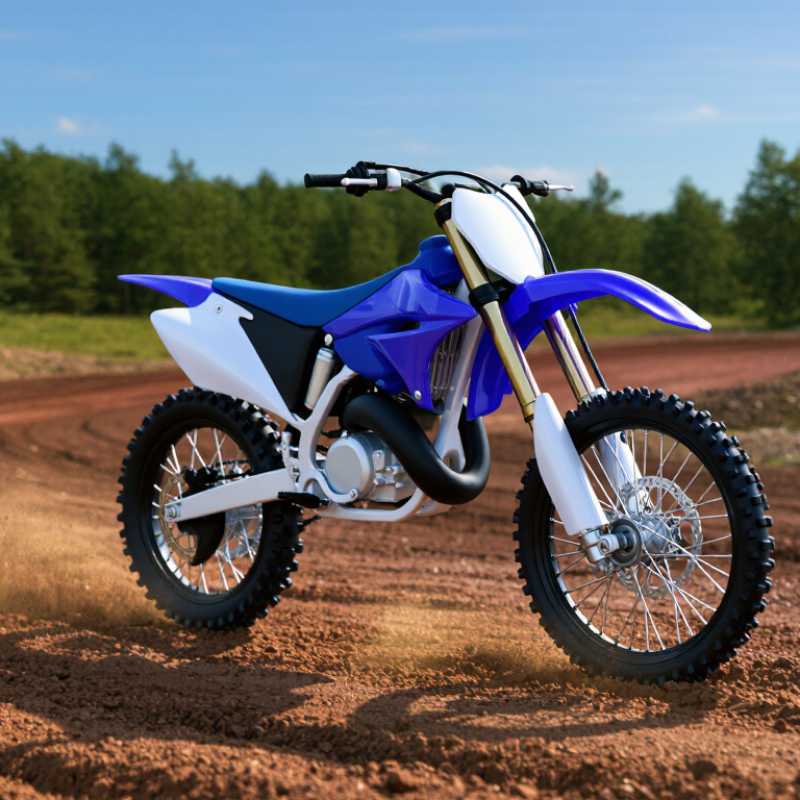
Definition and Core Features of an Automatic Motocross Bike
An automatic motocross bike changes gears without a rider-operated clutch lever. Its engine sends power through an automatic transmission, commonly using a centrifugal clutch, continuously variable transmission, or electronically controlled gearbox. The exact layout varies.
The term remains somewhat fuzzy.
Some models still shift gears internally. The rider simply controls throttle, braking, and body position. Sensors monitor engine speed, wheel speed, throttle opening, and sometimes rear-wheel slip. An electronic control unit then selects suitable gearing. This can reduce stalling when a rider attacks a tight corner or lands from a jump. It also keeps both hands focused on steering and balance.
Core features include automatic gear selection, a reinforced off-road chassis, long-travel suspension, knobby tires, and strong engine cooling. Weight remains critical. Extra actuators, sensors, and wiring can make the bike heavier than a conventional motocross machine. That trade-off is easy to underestimate.
Allied Market Research valued the global motorcycle market at about 118.5 billion dollars in 2021. It projected approximately 233.5 billion dollars by 2031, showing expanding interest in motorcycle technology. However, this figure covers many motorcycle categories, not automatic motocross bikes alone. The FIM’s 2024 motocross technical regulations also demonstrate why dimensions, safety components, and equipment limits matter in competition. Automatic operation does not automatically mean faster lap times. Rider skill, suspension setup, traction, and maintenance still decide much of the result. Some early assumptions may be too optimistic.
Main Components of an Automatic Motocross Transmission
What Is an Automatic Motocross Bike and How Does It Work?
Main Components of an Automatic Motocross Transmission
An automatic motocross transmission changes ratios without a hand-operated clutch lever. Its central parts include the primary drive, clutch assembly, gearset, shift actuator, and final drive. The primary drive transfers crankshaft power to the transmission. It also influences low-speed response and engine braking.
A centrifugal clutch uses engine speed to engage power. At idle, its shoes remain separated. As revs increase, they press against the clutch housing and move the bike forward. Some systems use multiple clutch packs for smoother engagement. The gearset then selects different ratios for starts, jumps, and tight corners. A shift actuator may use hydraulic pressure, electric control, or mechanical force.
Sensors monitor engine speed, throttle position, wheel movement, and gear position. An electronic control unit reads these signals and commands each shift. Its calibration matters greatly. A shift that feels perfect on hard soil may feel abrupt in deep sand. The final drive sends power through the output shaft, chain, and rear sprocket. Lubrication reduces heat and wear around the gears and bearings. Cooling becomes important during long, aggressive sessions.
The word automatic can be slightly misleading. Some transmissions shift fully by themselves, while others still require rider input. That difference affects technique and maintenance. Riders should inspect clutch wear, oil condition, actuator movement, and chain tension after difficult riding. I would not treat smooth shifting as proof of perfect setup. Small delays can reveal sensor errors, worn clutch parts, or incorrect adjustment.
How Power Moves from the Engine to the Rear Wheel
An automatic motocross bike sends power to the rear wheel without a hand-operated clutch or manual gear changes. The engine turns the crankshaft, which drives a centrifugal clutch or continuously variable transmission. As engine speed rises, clutch shoes move outward and engage the transmission. Power then travels through the final drive, chain, and rear sprocket.
On electric versions, the path is shorter. Battery energy reaches an inverter, then the motor, reduction gears, and rear wheel. The IEA’s Global EV Outlook 2024 reported more than 10 million electric two- and three-wheelers sold globally in 2023. That growth matters because electric drive systems deliver immediate torque and fewer moving parts. Still, traction can disappear quickly on loose soil. Automatic does not mean effortless.
Tips: Roll the throttle smoothly before a jump. Check chain tension after every hard ride. Keep the rear brake covered. A small throttle mistake can spin the tire, especially on wet clay. The transmission may manage shifting, but it cannot choose the best line. That remains the rider’s responsibility. SAE vehicle dynamics research repeatedly links wheel torque, tire load, and traction control to acceleration performance. However, motocross landings are too unpredictable for electronics to solve every problem. The rear wheel still tells the truth.
What Is an Automatic Motocross Bike and How Does It Work? — How Power Moves from the Engine to the Rear Wheel
Overview: An automatic or clutchless off-road motorcycle changes or manages drive ratios without requiring the rider to operate a conventional hand clutch for every gear change. The exact layout varies: some use a continuously variable transmission (CVT), while others use an automatically shifting geared transmission or a centrifugal clutch with selectable gears.
| Stage or Component | What It Does | How Power Moves Through It | What the Rider Experiences |
| 1. Engine | Combustion in the cylinder moves the piston, turning the crankshaft and producing rotational power. | The crankshaft sends torque into the motorcycle’s primary drive. | Opening the throttle increases engine output; engine speed rises as the engine produces more power. |
| 2. Primary drive | A set of gears or another reduction drive transfers rotation from the crankshaft toward the transmission. | It redirects engine rotation and reduces speed while increasing torque before power reaches the transmission or clutch assembly. | This transfer happens mechanically; the rider does not control it separately. |
| 3. Automatic clutch or engagement system | A centrifugal clutch, where fitted, engages as engine speed increases. Other automatic designs use electronically or mechanically controlled clutch systems. | At low engine speed, the clutch can limit or interrupt drive. As engagement occurs, it couples engine power to the transmission. | The bike can pull away as the rider applies throttle without operating a conventional hand clutch. Exact behavior depends on the design. |
| 4. Ratio-changing transmission | A CVT varies its drive ratio continuously using variable-diameter pulleys and a belt. An automatic geared transmission instead selects among fixed gear ratios. | A lower ratio provides more leverage for starting or climbing; a higher ratio allows more wheel speed for a given engine speed. These are alternative transmission approaches, not parts every bike has together. | The transmission changes ratio automatically in response to factors such as engine speed, load, or control settings. Some clutchless bikes still require the rider to select gears. |
| 5. Final drive | On many off-road motorcycles, a chain and sprockets carry rotation from the transmission output to the rear wheel. | The sprocket sizes set the final reduction: a larger reduction increases wheel torque relative to output speed, while a smaller reduction favors higher speed. | The chain transfers drive whenever the transmission is engaged. It needs correct adjustment and lubrication for reliable operation. |
| 6. Rear wheel and tire | The driven rear wheel turns the tire against the ground. | Torque at the wheel creates the tractive force that moves the motorcycle forward, subject to available grip. | Throttle response, selected ratio, terrain, and tire traction together affect acceleration and control. |
How Riders Control Speed, Balance, and Direction
What Is an Automatic Motocross Bike and How Does It Work?
An automatic motocross bike changes gears without a manual clutch lever. Its transmission selects a suitable gear as engine speed and wheel load change. The rider controls speed mainly with the throttle and brakes. A small throttle movement can make a noticeable difference on loose soil. Smooth inputs matter more than sudden acceleration.
Balance still comes from the rider, not the transmission. Bent elbows, relaxed shoulders, and firm footpeg pressure help the bike stay stable. During a jump, the rider shifts body weight to influence the front wheel. Leaning slightly forward helps control front-end lift. Moving rearward can soften a rough landing. It sounds simple. It is not always easy.
Direction depends on light handlebar pressure, body position, and careful throttle use. On a flat turn, the rider looks through the corner and keeps the outside foot weighted. On slippery ground, excessive throttle can spin the rear wheel and push the bike wide. The automatic system reduces workload, but it cannot judge every rut or sudden change in traction. A rider may expect perfect smoothness and still feel a sharp response. That moment deserves attention, not panic. Practice at low speed reveals how quickly the bike reacts, where braking feels strongest, and when balance begins to disappear. Such feedback builds control more reliably than simply riding faster.