Top Benefits of Installing Solar Panels for Homeowners in 2023
As the world increasingly turns towards renewable energy solutions, homeowners are recognizing the numerous benefits of installing solar panels for home use. According to the Solar Energy Industries Association (SEIA), solar capacity in the United States has grown by over 180% in the last five years, highlighting a significant shift in consumer behavior towards sustainable energy sources. By harnessing the sun's power, homeowners can reduce their energy costs, increase their property value, and contribute to a cleaner environment.
Industry expert Dr. Jane Goodwin, a leading authority in solar energy systems, emphasizes the importance of solar panels for home installation: "Switching to solar not only leads to substantial savings on electricity bills but also plays a pivotal role in combating climate change." In 2023, the installation of solar panels is projected to offset approximately 236 million metric tons of carbon emissions, showcasing its potential impact on sustainable living. The adoption of solar energy is not merely a trend but a crucial step towards energy independence and ecological responsibility, making it a wise investment for future-minded homeowners.
Understanding Solar Panel Technology and Its Evolution
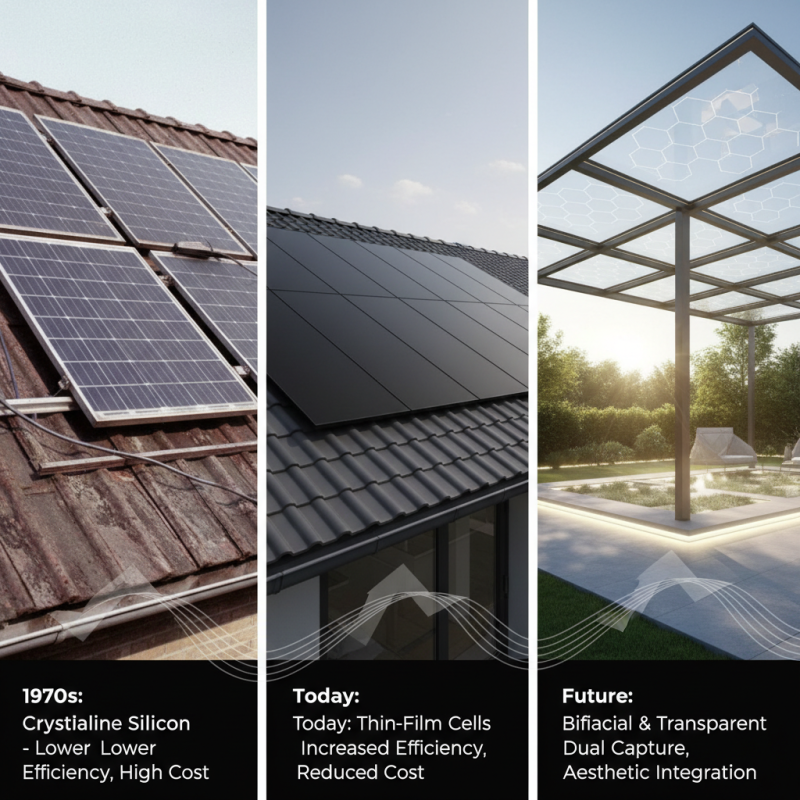
The evolution of solar panel technology has seen significant advancements over the years, making it increasingly accessible and efficient for homeowners. Early solar panels were primarily made of crystalline silicon, which, while effective, were limited in efficiency and somewhat costly. Over time, innovation has led to the development of new materials and designs, such as thin-film photovoltaic cells and bifacial panels, which capture sunlight from both sides. These innovations not only enhance energy conversion efficiency but also reduce manufacturing costs, making solar energy a more attractive option for residential use.
Moreover, the integration of smart technology into solar panel systems has transformed the way homeowners interact with their energy production. Modern solar panels can now include features like real-time monitoring, allowing users to track energy generation and consumption through mobile apps. This greater control empowers homeowners to optimize their energy use and save on utility bills effectively. Additionally, advancements in battery storage technology now enable households to store excess energy for use during peak demand times or power outages, further enhancing the reliability and appeal of solar energy solutions. As technology continues to evolve, homeowners can expect even greater efficiency and sophistication from solar panel systems in the years to come.
Economic Benefits: Saving on Energy Costs and Energy Independence
The economic benefits of installing solar panels in 2023 cannot be overstated, especially for homeowners looking to reduce their energy expenses. As traditional utility rates continue to rise, generating electricity from solar energy allows homeowners to take control of their energy costs. By harnessing the sun’s power, homeowners can significantly lower their monthly utility bills, leading to substantial savings over time. Additionally, many regions offer incentives, such as tax credits and rebates, which further enhance the financial attractiveness of solar panel installations.
Energy independence is another compelling reason to consider solar power. By producing their own electricity, homeowners can reduce their reliance on external energy sources, providing greater security against fluctuating energy prices and potential supply disruptions. This independence not only empowers homeowners to be proactive about their energy management but also contributes to a more sustainable future. As more individuals transition to solar energy, the collective shift can lead to a reduction in fossil fuel consumption, promoting environmental health while enhancing local economies through job creation in the solar industry.
Top Benefits of Installing Solar Panels for Homeowners in 2023
| Benefit |
Description |
Estimated Savings |
Long-term Impact |
| Lower Energy Bills |
Solar panels can significantly reduce monthly electricity bills. |
$1,000 - $2,500/year |
Consistent savings over 25 years, leading to $25,000+. |
| Energy Independence |
Reduce reliance on grid electricity and fossil fuels. |
Varies based on local energy prices. |
Increased self-sufficiency and sustainability. |
| Tax Incentives |
Government credits and rebates for solar installation. |
Up to 30% off installation costs. |
Reduced upfront costs enhance affordability. |
| Increased Property Value |
Homes with solar energy systems sell for more. |
$15,000 - $20,000 increase on average. |
Long-term return on investment. |
| Environmental Impact |
Reduce carbon footprint by using renewable energy. |
N/A |
Contributes to combating climate change. |
Environmental Impact: Reducing Carbon Footprint and Sustainability
The installation of solar panels has emerged as a critical solution for homeowners aiming to minimize their environmental impact, particularly in 2023. By harnessing renewable solar energy, homeowners can significantly reduce their carbon footprint. According to a report by the International Energy Agency (IEA), transitioning to solar power can help cut global CO2 emissions by up to 4 billion tons annually, highlighting the potential for individual actions to contribute to a larger environmental goal. This shift not only results in cleaner air but also mitigates the adverse effects of climate change, promoting a more sustainable future.
Furthermore, solar energy contributes to sustainability by reducing reliance on fossil fuels. The U.S. Energy Information Administration (EIA) notes that the adoption of solar technology could reduce dependency on non-renewable resources, which are responsible for a substantial portion of greenhouse gas emissions. By investing in solar panels, homeowners are not only participating in the fight against climate change but also aiding in the conservation of natural resources for generations to come. This sustainable approach empowers individuals to make a tangible difference in their communities, encouraging a collective movement toward environmental preservation.
Increasing Property Value Through Solar Panel Installation
Installing solar panels has evolved from a mere trend to a significant investment for homeowners in 2023. One of the most compelling benefits of solar panel installation is the increase in property value. According to a report by the National Renewable Energy Laboratory (NREL), homes equipped with solar energy systems can sell for an average of 4.1% more than comparable homes without solar. This premium translates to approximately $15,000 for the average U.S. home, making solar installation not just an eco-friendly choice, but also a financially savvy one.
Moreover, as more states implement policies favoring renewable energy and consumer preferences shift towards sustainable living, the value associated with solar installations continues to rise. A study by Zillow found that homes with solar panels sold 20% faster than those without, reflecting an increasing buyer demand for energy-efficient homes. This trend is likely fueled by not only the potential for lower utility bills but also incentives such as tax rebates and credits, which enhance the return on investment for homeowners. By choosing to install solar panels, homeowners are not only contributing to a sustainable future but also making a financially sound decision that bolsters their property's marketability and value.
Government Incentives and Incentives to Promote Solar Adoption
In 2023, the push for solar energy adoption is stronger than ever, fueled by a range of government incentives designed to make solar panel installation more accessible and appealing for homeowners. Governments at both federal and state levels are offering tax credits, rebates, and grants to encourage homeowners to embrace renewable energy. These financial incentives significantly reduce the upfront costs associated with purchasing and installing solar systems, enabling more homeowners to confidently invest in sustainable energy solutions.
Moreover, many regions have introduced programs that offer low-interest loans or financing options specifically tailored for solar projects. This makes it easier for homeowners to manage their budgets while still transitioning to solar energy. Some states are also implementing net metering policies, allowing homeowners to sell excess energy back to the grid, effectively offsetting their energy costs further.
With these robust incentives in place, 2023 presents a unique opportunity for homeowners to not only reduce their carbon footprint but also take advantage of substantial financial benefits that accompany the switch to solar power.