What are the Best Cooling Towers to Consider in 2026?
As industries strive for efficiency and sustainability, the cooling tower sector is evolving rapidly. According to a recent report from the Global Cooling Tower Market Analysis, the industry is projected to grow by 5% annually until 2026. This growth reflects the increasing demand for energy-efficient cooling solutions.
"Choosing the right cooling tower can significantly impact operational efficiency," says Dr. Howard Levin, a renowned expert in cooling technologies. His insights emphasize the importance of selecting models that meet specific environmental and performance criteria. In an industry marked by innovation, reliable, and effective cooling towers are paramount for large-scale operations.
However, not all models are created equal. Factors like maintenance needs, water usage, and energy consumption can vary widely. Companies must navigate these complexities to find the best options. As we move toward 2026, the pressure to adopt advanced cooling systems will only intensify. Balancing performance and sustainability will be crucial in selecting the best cooling towers.
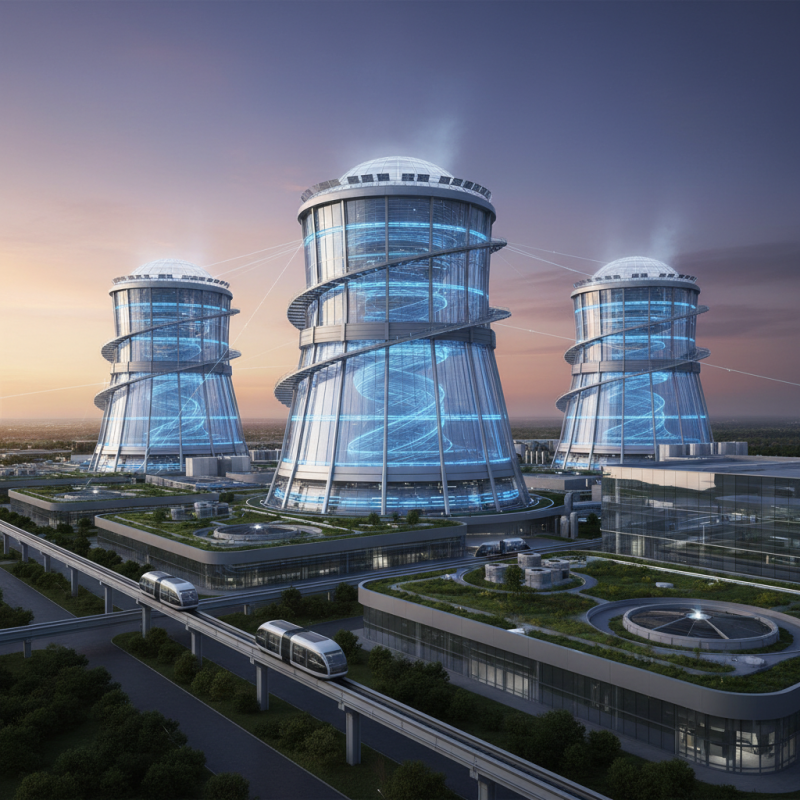
Overview of Cooling Towers and Their Functionality
Cooling towers play a vital role in industrial processes, particularly in power generation and HVAC systems. They help dissipate heat from machinery and buildings, ensuring optimal performance. According to a recent report, the global cooling tower market is expected to grow by 4.5% annually until 2026. This growth reflects the increasing need for energy-efficient cooling solutions.
The functionality of cooling towers relies on their ability to enhance the evaporation process. Water circulates through the system, exchanging heat with the surrounding air. Various designs exist, including open and closed systems. Each type has its advantages and limitations. Open cooling towers, for instance, facilitate greater evaporation but require more maintenance. On the other hand, closed systems reduce water loss yet may have reduced efficiency under high thermal loads.
Despite their benefits, cooling towers face challenges. For instance, water quality can affect performance. High levels of minerals can lead to scaling and corrosion. Regular maintenance is essential, yet many facilities overlook this aspect. It impacts energy consumption and increases operational costs. As data indicates, improper maintenance can elevate energy use by up to 30%. It’s crucial to address these issues for effective cooling tower operation.
Key Features to Evaluate When Choosing Cooling Towers
When selecting a cooling tower in 2026, evaluating key features is essential. A crucial aspect is the cooling capacity. It determines how effectively the tower can dissipate heat. This varies by application and climate. A thorough understanding of your specific needs is vital. Efficiency plays a significant role too. High-efficiency models can reduce operational costs. It's beneficial to compare energy consumption rates.
Material selection is another critical factor. Cooling towers can be made from various materials such as fiberglass or steel. Each has its advantages and disadvantages. Some may resist corrosion better than others. Assessing which material suits your environment is important. Maintenance requirements will impact long-term costs. Some designs are easier to maintain. Simple designs might seem efficient but can be challenging to service.
Consider the tower's size and footprint as well. Compact models may save space but offer limited capacity. It’s a balancing act between efficiency and available space. Noise levels can also be a concern. Some towers operate quietly while others create significant sound. Always read specifications; perception can differ. This reflection may guide you towards making a more informed choice.
Top Cooling Tower Brands and Models to Consider in 2026
As we look ahead to 2026, choosing the right cooling tower becomes crucial. Several brands stand out for their performance and reliability. These models often feature innovative designs that enhance efficiency. They also provide options that cater to different budgets. Some cooling towers use advanced materials that withstand harsh conditions. Others focus on energy efficiency, which can reduce operational costs.
While many models claim superior cooling, not all live up to the hype. It's important to consider the specific needs of your facility. For instance, larger operations may need towers with higher capacity. Smaller facilities might benefit from compact units that save space. Reviews and feedback from other users can offer valuable insights into real-world performance.
Efficiency ratings are key, but they can be misleading. It's essential to analyze data from reliable sources. Some cooling towers may lag in performance despite high ratings. Examining long-term reliability is also vital. A well-performing cooling tower should have a proven track record. This enables better decision-making for investments that last.
What are the Best Cooling Towers to Consider in 2026?
| Model | Cooling Capacity (TR) | Material | Noise Level (dB) | Energy Efficiency (EER) |
| Model A | 200 | Fiber Reinforced Plastic | 75 | 4.5 |
| Model B | 150 | Galvanized Steel | 70 | 4.0 |
| Model C | 250 | Stainless Steel | 68 | 5.0 |
| Model D | 300 | Polypropylene | 72 | 4.8 |
| Model E | 180 | Plastic | 80 | 3.9 |
Innovations in Cooling Tower Technology for Increased Efficiency
As we approach 2026, cooling tower technology is set to undergo significant advancements. Innovations focus on improving efficiency and reducing energy consumption. New designs incorporate smart sensors that optimize water flow and temperature control. These sensors help adjust operations in real-time. This ensures that energy is not wasted during peak usage times.
In addition, materials used in these towers are evolving. Many engineers are exploring eco-friendly substances that enhance durability. This shift not only supports sustainability but also contributes to a longer lifespan for the towers. However, implementing these changes is not without challenges. Many older facilities struggle to adapt, often sticking with outdated technologies. This often leads to inefficiencies that are hard to ignore.
Moreover, integrating advanced cooling technologies requires investment. Facilities may hesitate to upgrade due to budget constraints. Innovative solutions must be affordable while delivering measurable results. The path to a greener future is complex and requires careful planning. Finding the right balance between technology and cost-effectiveness is key.
Cooling Tower Efficiency Comparison (2026)
Environmental Considerations and Sustainability in Cooling Towers
Cooling towers play a crucial role in modern industrial processes. However, environmental considerations are becoming increasingly important. In 2026, businesses will need to prioritize sustainability. According to recent data from the International Energy Agency, cooling towers account for nearly 30% of water usage in industrial settings. Therefore, selecting energy-efficient models can significantly reduce this impact.
Effective cooling towers should incorporate eco-friendly materials. For example, some designs utilize recyclable plastics and energy-efficient fans. These advances contribute to lower carbon footprints. A report by the American Society of Mechanical Engineers suggests that optimizing cooling tower performance can lead to energy savings of 10-20%. However, many facilities still overlook maintenance, which can lead to inefficiencies and increased energy consumption.
Moreover, water conservation is vital. As climate change intensifies, freshwater resources dwindle. Facilities must explore alternative water sources. This shift poses challenges. There are concerns about water quality and the potential for contamination. Regular assessments are essential to ensure the integrity of cooling systems. Facilities may struggle to adapt, yet addressing these issues will improve long-term sustainability.