Best Electric Forklift Battery Options for Global Buyers?
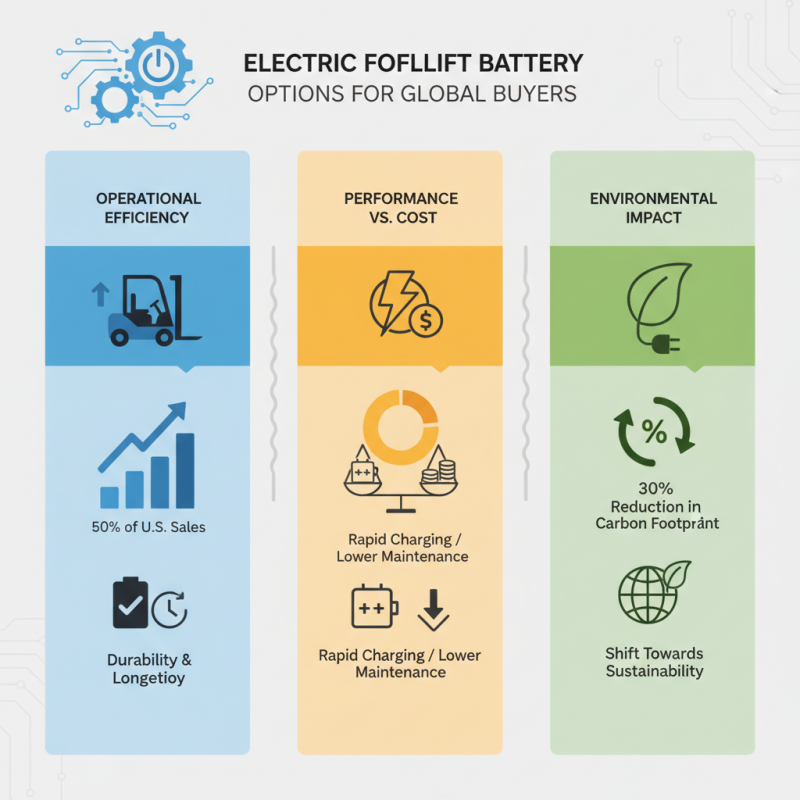
In the ever-evolving landscape of material handling, the choice of an Electric Forklift Battery is crucial for operational efficiency. Recent data from the Industrial Truck Association (ITA) indicates that electric forklifts account for over 50% of total forklift sales in the U.S. This trend highlights a growing preference for batteries that offer durability and longevity.
However, not all Electric Forklift Batteries are created equal. Many buyers grapple with the dilemma of balancing performance with cost-effectiveness. For instance, lithium-ion batteries have gained traction for their rapid charging capabilities and lower maintenance requirements. Yet, their initial cost can be a barrier for some businesses.
Moreover, environmental factors also play a pivotal role. A report from the National Renewable Energy Laboratory shows a 30% reduction in carbon footprint when switching to electric-powered equipment. This reflects a shift towards sustainability that aligns with industry goals. As buyers navigate these options, it's essential to evaluate not just the specifications, but the overall impact on both productivity and the environment.
Overview of Electric Forklift Battery Types and Technologies
Electric forklifts are increasingly popular due to their efficiency and eco-friendliness. Various battery types power these machines, each with unique advantages and limitations. Lead-acid batteries are more traditional, widely used for short shifts. However, they require regular maintenance and often do not provide enough runtime for demanding applications. Lithium-ion batteries are gaining traction, known for their longer lifespan and faster charging times. They are a good choice for operations requiring constant uptime, yet their initial costs can deter some buyers.
The choice between different battery technologies can significantly affect a fleet's overall performance. According to a 2023 industry report, lithium-ion batteries can last up to 5 times longer than lead-acid counterparts. This longer life reduces replacement costs over time. Conversely, maintaining lead-acid batteries can consume resources and time, leading to inefficiencies. Battery selection has far-reaching implications, from operational costs to environmental impact. As businesses navigate this choice, they must consider their specific needs.
Reliability in battery performance is critical. Variability in discharge rates can lead to unexpected downtime, affecting productivity. Though newer technologies promise greater efficiency, they may not fully meet every operational requirement. An assessment of current fleet demands is essential. This careful evaluation can prevent mismatched investments. Ultimately, the decision requires attention to detail and adaptability.
Best Electric Forklift Battery Options for Global Buyers
This chart illustrates the distribution of different types of electric forklift batteries available in the market. The data highlights the popularity of lead-acid batteries compared to lithium-ion and nickel-cadmium batteries.
Factors to Consider When Choosing an Electric Forklift Battery
When selecting an electric forklift battery, a few key factors play a significant role. The battery type is crucial. Options often include lead-acid and lithium-ion. Lead-acid batteries are cost-effective but may require frequent maintenance. In contrast, lithium-ion batteries offer longer lifespans and faster charging times. Evaluating how these traits align with your operational needs is essential.
Consider the battery capacity as well. This metric reflects how long the forklift can run on a single charge. If your operations are heavy-duty, a higher capacity is advisable. Look into the discharge rate too. A battery that can handle high discharge rates will support intensive applications better. Also, think about charging infrastructure. Having the right chargers and facilities is vital for efficiency and safety.
Weight and dimensions cannot be overlooked. Make sure the battery fits your forklift model correctly. An improperly sized battery can affect stability and performance. Lastly, always consider the warranty provided. A robust warranty can indicate reliability. It can also offer peace of mind against unforeseen issues. Take the time to reflect on these aspects before making a decision.
Top Manufacturers of Electric Forklift Batteries for Global Market
When choosing an electric forklift battery, it's essential to consider various manufacturers worldwide. Different regions offer unique innovations and technologies, shaping the choices available in the global market. Selecting the right manufacturer can impact performance, lifespan, and overall efficiency.
Several reputable companies specialize in electric forklift batteries. These manufacturers focus on quality materials and advanced engineering. They often provide a range of battery types, such as lead-acid and lithium-ion. Each type has advantages depending on application needs and budget constraints.
It's important to evaluate supplier reliability. Look for manufacturers with a strong track record in customer service and support. A company's commitment to sustainability may also influence your choice. Do they use eco-friendly materials? Ensure they have certifications that guarantee safety and performance standards.
Tips: Always check for warranty details. A solid warranty reflects manufacturer confidence. Comparing energy densities can help you choose a battery with optimal performance. Lastly, stay updated with industry trends to understand emerging technologies. This knowledge can aid in making informed decisions about your electric forklift battery needs.
Cost Comparison of Electric Forklift Batteries by Capacity and Features
When considering electric forklift batteries, buyers must evaluate costs based on capacity and features. Different battery types exhibit unique price ranges, often linked to their specifications. For instance, lithium-ion batteries typically cost more upfront but may provide longer life cycles. In contrast, lead-acid batteries come with a lower initial cost, yet their lifespan often demands more frequent replacements. This balance can greatly influence overall expenses.
Capacity is a key factor influencing battery costs. Batteries with higher capacities often come with a steeper price tag. They deliver more power, which is vital for heavy-duty applications. But it's crucial to ask: is the extra power necessary? Sometimes, a lower capacity can suffice, reducing expenses. In addition, features like fast-charging capabilities can add to the overall cost. However, the improved efficiency may justify the spending in high-demand situations.
Buyers should also consider long-term implications. A cheaper battery might seem attractive but can lead to higher maintenance costs over time. Reflecting on the ROI of a purchase is necessary. Assessing specific needs can prevent overspending while ensuring the forklift operates optimally. This cautious approach allows for cost-effective decisions.
Future Trends in Electric Forklift Battery Development and Sustainability
In recent years, electric forklift batteries have seen significant advancements focused on sustainability. The shift towards lithium-ion technology is leading the charge. According to industry reports, lithium-ion batteries can offer a cycle life of 2,000 to 3,000 charges, compared to lead-acid batteries, which average around 1,200 cycles. This longevity helps in reducing waste over time and aligns with eco-friendly goals.
Sustainability trends are also evident in battery recycling initiatives. Reports indicate that only 5% of lead-acid batteries are currently recycled effectively. However, many experts believe that this number could improve with enhanced policies and technology. Innovations like closed-loop recycling systems can extract valuable materials efficiently, highlighting a potential pathway to reduce landfill impacts.
Future trends emphasize a circular economy approach. As the demand for electric forklifts grows, so does the need for sustainable production methods. Nevertheless, challenges remain. Not all companies have adopted eco-friendly practices in battery sourcing or manufacturing. Some critics argue that without regulatory pressure, progress in sustainable practices could slow down. Balancing performance with environmental responsibility will be crucial in the coming years.