2026 Best Residential Solar Panels for Global Buyers?
As the demand for renewable energy grows, 2026 presents an exciting opportunity for potential buyers of residential solar panels. Experts in the field, like Dr. Emily Chen, highlight the importance of making informed choices. She states, “Investing in the right solar technology can make a significant difference in energy savings and environmental impact.”
Residential solar panels vary in efficiency, price, and durability. Buyers must navigate these options carefully. Some brands excel in energy output, while others focus on aesthetics or cost-effectiveness. With many new technologies emerging, it's vital to stay updated on trends and innovations. There remains a need for critical analysis within the industry.
However, not all choices are clear-cut. Some lower-cost panels may not deliver the expected performance. Conversely, higher-priced options don’t always guarantee better results. Homeowners should weigh their specific energy needs against the long-term benefits and drawbacks of their purchases. With the right insights, buyers can confidently invest in residential solar panels that best suit their homes and values.
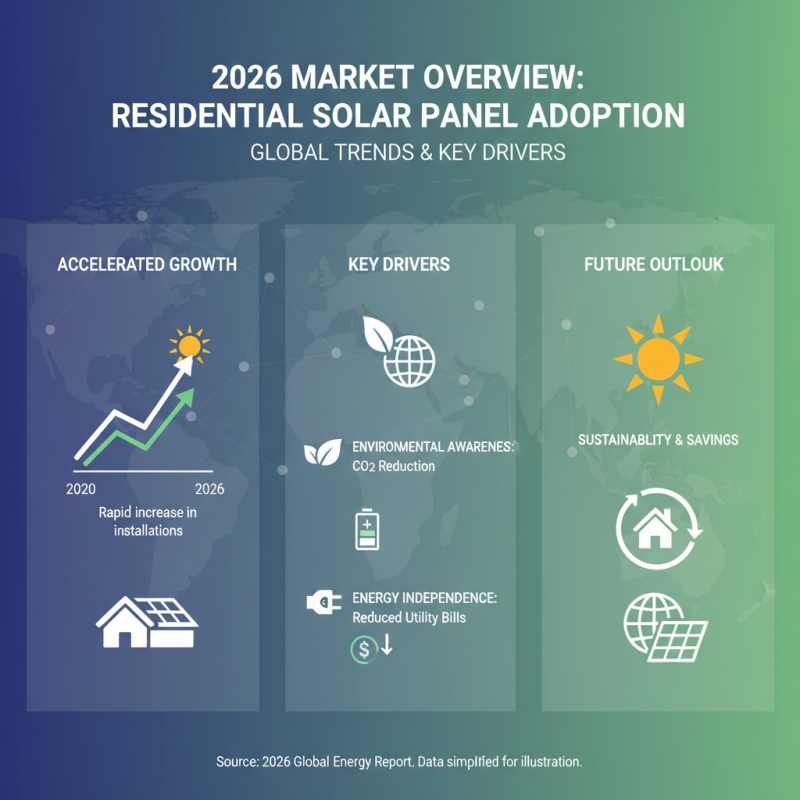
2026 Market Overview: Global Trends in Residential Solar Panel Adoption
In recent years, the global adoption of residential solar panels has accelerated. People are increasingly aware of the environmental impact of fossil fuels. Solar energy provides a viable alternative, promoting sustainability and energy independence.
The market dynamics are shifting. Countries with abundant sunlight are leading in solar panel installation. However, challenges remain. Initial costs can be high, and not all homes are suitable for solar systems. Many homeowners require incentives to make the investment.
Technology continues evolving. New solar panel designs are becoming more efficient and affordable. These advancements attract more buyers. However, some consumers still have concerns about durability and performance. Education around these products is vital to ensure informed decisions. The journey towards widespread solar adoption is filled with both promise and obstacles.
Key Features of the Best Solar Panels: Efficiency, Durability, and Cost
When searching for residential solar panels, efficiency, durability, and cost are paramount. Efficiency rates vary widely. High-quality panels achieve over 20% efficiency. Leading studies reveal that top-tier solar panels convert more sunlight into electricity, which matters for homeowners. Enhanced efficiency means reduced energy costs and quicker payback periods.
Durability is equally crucial. Solar panels endure harsh weather and extreme temperatures. Many panels are designed to last up to 25 years or more. Reports indicate that long-lasting panels can save homeowners significant replacement costs. However, not every panel meets these standards. Some cheaper options may lead to increased maintenance issues.
Cost remains a pressing concern. The national average for solar panel installation hovers around $3 per watt. Quality often comes with a price tag. While the initial investment can be high, lower utility bills and tax incentives can offset costs over time. Homeowners should reflect on these factors. Assessing long-term benefits versus initial outlay is essential. Investing in the right solar technology could make a substantial difference in both energy savings and environmental impact.
2026 Best Residential Solar Panels for Global Buyers
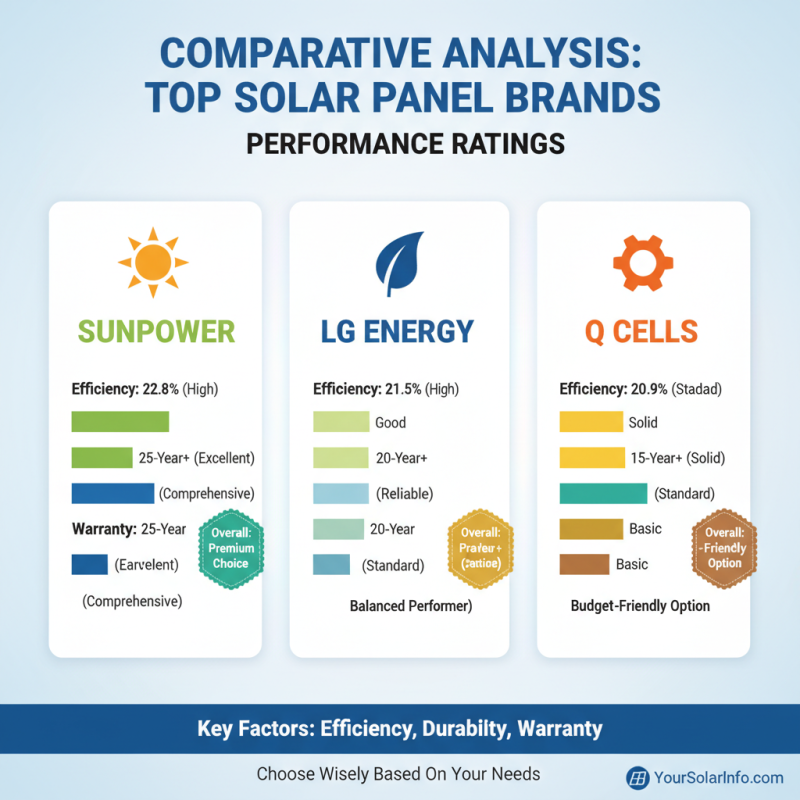
Comparative Analysis: Top Solar Panel Brands and Their Performance Ratings
Choosing the best residential solar panels requires careful consideration. Many brands are vying for attention in a competitive market. Performance ratings can vary significantly, influenced by factors like efficiency, durability, and warranty. It is essential to analyze these factors critically before making a decision.
When evaluating solar panel brands, examine efficiency ratings. High-efficiency panels produce more electricity in a smaller space. Look for models with performance durability to withstand extreme weather conditions. This can save both time and money in the long run. Consider attempting a DIY energy estimate to get an idea of how much energy your household consumes.
Here are a few tips: always check for customer feedback or reviews. Real-world experiences provide valuable insights. Also, request performance guarantees. These can protect your investment and ensure long-term performance. Regularly reviewing your energy output and potential savings helps in deciding whether it’s time for an upgrade. Being informed allows for better decision-making in this evolving market.
Investment Insights: Cost-Benefit Analysis of Solar Panel Installations
The cost-benefit analysis of solar panel installations is crucial for residential buyers. Initial investment can be high. However, long-term savings on electricity bills can be substantial. The average return on investment may range from 10% to 20% annually. This figure varies by location and energy consumption.
Additionally, the lifespan of solar panels is an important factor. Most panels last 25 years or more. Over time, maintenance costs are generally low, but they do occur. Homeowners often overlook this aspect. The payback period for solar panel systems typically spans five to seven years, depending on various factors, including local incentives.
It’s also vital to understand changing technology. Efficiency rates improve regularly. Some systems may not perform as expected in specific climates. Buyers should assess local solar conditions carefully. Researching and reviewing installation options can lead to better decisions. Staying informed about advancements is equally important for maximizing benefits.
2026 Best Residential Solar Panels for Global Buyers
| Panel Type |
Efficiency (%) |
Cost per Watt ($) |
Warranty (Years) |
Average Payback Period (Years) |
| Monocrystalline |
20.5 |
2.50 |
25 |
5-7 |
| Polycrystalline |
18.6 |
2.00 |
25 |
6-8 |
| Bifacial |
21.0 |
3.00 |
30 |
5-6 |
| Thin-Film |
11.0 |
1.50 |
10 |
9-12 |
Future Innovations: Emerging Technologies in Residential Solar Solutions
The residential solar market is evolving. Emerging technologies are paving the way for more efficient and affordable solar solutions. Innovations in solar panel design include the integration of bifacial technology. This allows solar panels to capture sunlight from both sides, increasing energy harvest.
New materials are also entering the market. Perovskite solar cells are a promising development. They can be manufactured at lower costs and with less energy. These cells could significantly boost solar panel efficiency. Yet, there are challenges in durability and scalability that need addressing.
Battery storage solutions are improving as well. Homeowners can store excess energy for later use. This enhances energy independence. However, the reliability of these technologies remains a concern. Long-term performance and safety tests are essential before widespread adoption. The journey toward a solar-powered future is complex, but the potential rewards are immense.