Best Residential Solar Panels for Your Home in 2026?
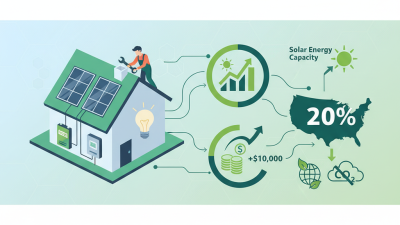
As we look towards 2026, the demand for residential solar panels is expected to soar. According to the Solar Energy Industries Association (SEIA), the residential solar market is projected to grow by over 20% annually in the next few years. This growth reflects a significant shift towards sustainable energy solutions for homeowners.
Industry expert Dr. Jane Holloway emphasizes the importance of investing in high-quality residential solar panels, stating, “Choosing the right solar technology can dramatically impact long-term savings and eco-friendliness.” Homeowners are increasingly recognizing that effective solar solutions can lower energy bills and enhance property value.
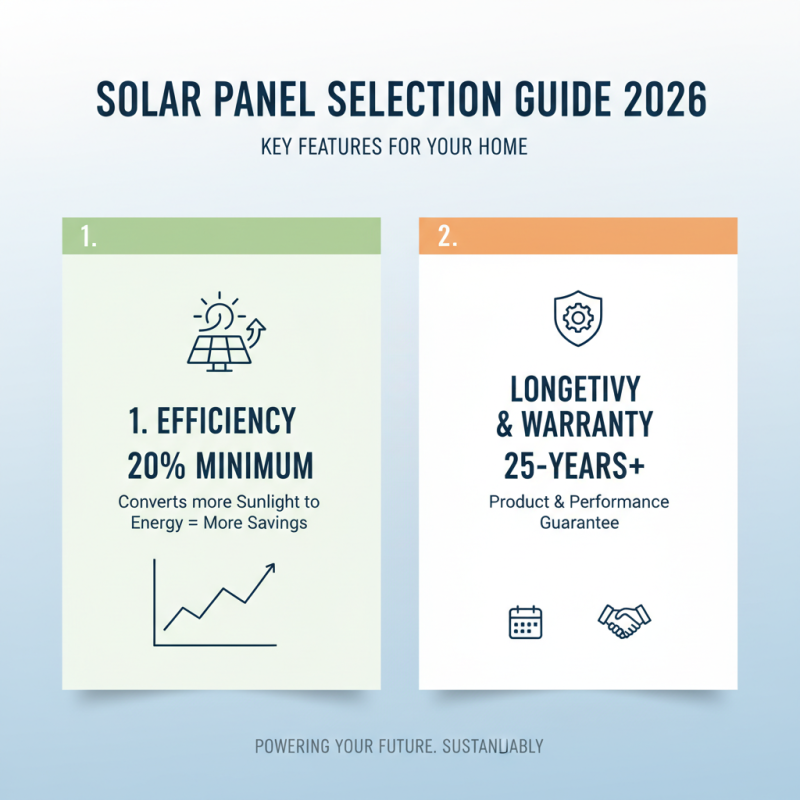
However, selecting the best solar panels can be daunting. With numerous brands and technologies available, making an informed choice is essential. Factors like efficiency, durability, and warranty are critical. As we aim for cleaner energy futures, reevaluating our options in residential solar panels becomes vital. It's not just about installation; it's about ensuring a sustainable return on investment that benefits both the environment and homeowners.
Understanding the Basics of Residential Solar Panels in 2026
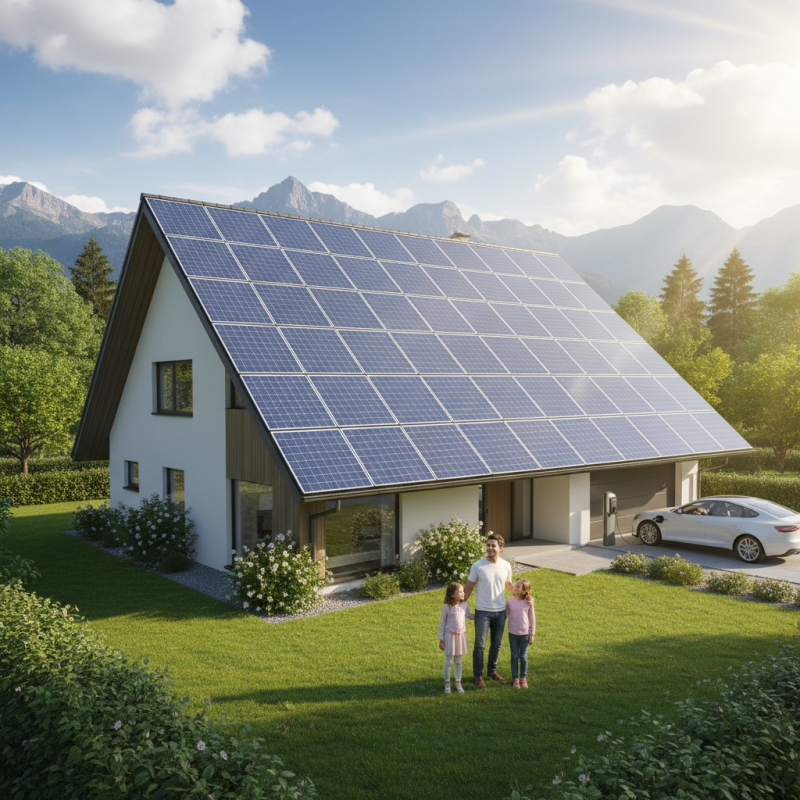
In 2026, understanding residential solar panels is crucial for homeowners. Solar energy continues to grow in popularity. According to a recent report by the Solar Energy Industries Association, the U.S. solar market is expected to reach 400 gigawatts by the end of this decade. This increase reflects a significant shift towards clean energy.
Residential solar panels work by converting sunlight into electricity. Homeowners can significantly reduce their power bills. However, the initial cost remains a concern for many. The average installation can range between $15,000 to $30,000. Some families may hesitate to invest in such systems despite long-term savings.
Efficiency ratings have improved, reaching over 22% for top models. Yet, not all panels perform the same in various weather conditions. Homeowners should consider local climate when selecting panels. Moreover, state incentives can vary, which complicates decision-making. It is essential to stay informed about local regulations and available incentives to maximize benefits. Understanding all these aspects ensures homeowners make the best choice for their energy needs.
Top Residential Solar Panel Brands and Their Innovations for 2026
As homeowners seek sustainable energy solutions, the solar panel market is evolving rapidly. Innovations in residential solar panels are reshaping how we harness sunlight. Many companies are now focusing on efficiency and aesthetics. Sleek designs are no longer just about functionality; they’re also about blending with home architecture.
New materials and technologies are yielding significant performance improvements. For instance, the use of bifacial solar panels allows light to be captured from both sides. This can enhance energy production, making solar systems even more effective. Homeowners today demand more than just energy savings. They want panels that fit seamlessly into their lifestyle and aesthetic.
However, not all advancements come without challenges. Some innovations can be cost-prohibitive. Homeowners must weigh the benefits against the upfront investment. Moreover, the reliability of new technologies can be a concern. Researching product longevity and warranty options is crucial. Buyers should remain cautious and informed to make the best choice for their unique needs.
Best Residential Solar Panels for Your Home in 2026
| Panel Type |
Efficiency (%) |
Warranty (Years) |
Cost ($/Watt) |
Innovations |
| Monocrystalline |
22.5 |
25 |
0.90 |
High Resistance to Light-Induced Degradation |
| Polycrystalline |
19.5 |
25 |
0.75 |
Eco-Friendly Manufacturing Process |
| Bifacial |
23.0 |
30 |
1.10 |
Dual-side Energy Generation |
| Thin Film |
16.0 |
15 |
0.55 |
Lightweight and Flexible Design |
Comparative Analysis of Solar Panel Efficiency and Cost-Effectiveness
When considering solar panels for your home, efficiency and cost-effectiveness are crucial factors.
Solar panel efficiency measures how well a panel converts sunlight into usable energy. Higher efficiency means more energy production in a smaller space. However, these panels can come with a higher price tag.
Cost-effectiveness is about balancing upfront costs with long-term savings. While some panels may seem cheaper, they could yield lower returns over time. Homeowners should consider not only the initial investment but also energy savings and potential incentives. It’s easy to overlook hidden costs, such as installation and maintenance.
Moreover, efficiency ratings can vary within product lines, even if they are from the same manufacturer. Reading independent reviews can provide insights on real-world performance. Selecting panels also involves understanding local climate conditions. For example, areas with less sunlight may need higher-efficiency panels. Ultimately, the choice demands a careful evaluation of both efficiency and cost. This process requires ongoing reflection and adjustment to ensure the best fit for your home.
Installation and Maintenance Best Practices for Home Solar Systems
Installing solar panels on your home can be a smart investment. However, proper installation and maintenance are crucial for optimal performance. Begin by assessing your roof's condition. Check for any signs of damage or wear. A stable roof ensures longevity for your solar system.
When installing panels, choose a professional installer with a solid reputation. Skilled technicians understand the local climate and building codes. They can position panels to maximize sunlight exposure. Once installed, regular maintenance is key. Clean your panels occasionally to remove dirt and debris. This simple step enhances efficiency.
Pay attention to your energy output. If you notice a drop, it may indicate an issue needing attention. Regular inspections can catch problems early. Additionally, monitor the inverter, as it plays a vital role. This component converts solar energy into usable power. Understanding these basics can help you make informed decisions.
Reflecting on your system's performance is important. Are you producing enough energy? Are there any unexpected costs? Taking these factors into account can lead to better energy solutions in the long run. Your solar journey can evolve with careful planning and attention.