Get the Best SD Card Recovery Tool Free Download Today?
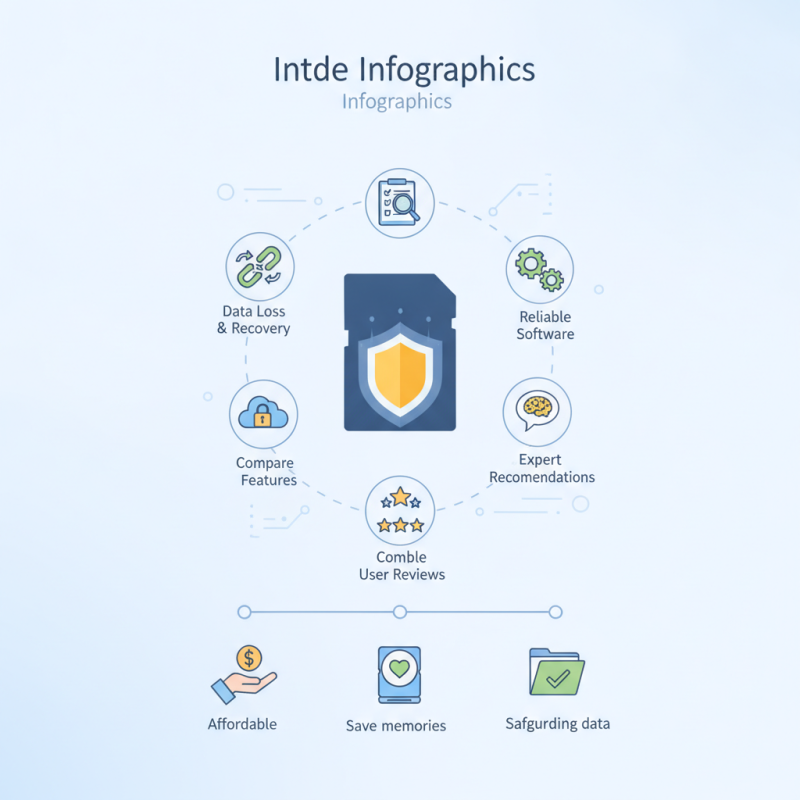
In the world of data recovery, choosing the right tool is crucial. Experts emphasize the importance of effective solutions. Michael Chen, a renowned data recovery specialist, states, “Reliable recovery tools can save irreplaceable memories.” This sentiment resonates deeply with anyone who has faced data loss.
Many users seek tools for accidental deletion or corruption of files. A "SD Card Recovery Tool Free Download" not only provides an affordable option but also effectively safeguards precious data. Users must be wary, however, of poor quality software. Some tools can cause more harm than good, leading to further data loss.
The ease of downloading software can be misleading. It’s essential to compare features and user reviews before making a choice. Trustworthiness is key. Tools claiming to recover everything often fall short. While many promise the moon, true effectiveness varies widely. Users should remain critical and seek genuine recommendations from experts in the field.
Overview of SD Card Data Loss and Recovery Needs
SD cards are widely used for storing important data. Yet, data loss can happen unexpectedly. This can be due to accidental deletion, corruption, or hardware failures. Understanding these challenges is crucial for effective recovery.
When you face data loss, the first step is to stay calm. Panicking may lead to mistakes. Always avoid overwriting the card with new data. Instead, consider using reliable recovery tools. These tools can assist in retrieving lost files. However, ensure the software is trustworthy and well-reviewed. Not all recovery programs deliver the same results.
Tips: Regularly back up your data to another device. This reduces the risk of total loss. Familiarize yourself with the recovery software before relying on it. This can save time and prevent frustration during emergencies. Practice caution when using your SD card. The best strategy is prevention.
Top Features to Look for in SD Card Recovery Tools
When looking for an SD card recovery tool, certain features are essential. A user-friendly interface is crucial. It should be easy to navigate, even for beginners. Look for a tool that supports various file formats. This ensures that you can recover not just photos but also documents and videos.
Another vital feature is the ability to perform deep scans. A quick scan may not find everything. You want a recovery tool that can dig deeper, searching thoroughly through the card’s memory. The option to preview files before recovery is a major plus. This will save time and help you confirm that the files you want are indeed recoverable.
Effective customer support can also make a significant difference. If you encounter issues, having access to knowledgeable support staff is critical. It’s not enough to have the tool; understanding how to use it effectively matters too. Always check user reviews as they provide insights into real-world performance. Some tools may promise a lot but deliver little. Engaging with a community or forum can highlight both strengths and weaknesses in various tools. Being informed will guide you to make better decisions.
Step-by-Step Guide to Downloading and Installing Recovery Software
When you lose important files from your SD card, recovery software can be a lifesaver. Many users struggle to find reliable tools for this purpose. According to a recent report by the International Data Corporation, data loss affects around 30% of consumers annually. This statistic underlines the importance of having a dependable recovery solution.
To download an effective SD card recovery tool, follow this simple guide. Start by visiting a reputable website that offers free software. Look for user reviews and ratings to gauge reliability. After selecting a tool, locate the download button clearly marked on the homepage. Click and install the software by following the instructions provided during the installation process. This usually involves accepting terms and conditions and choosing the installation directory.
Tips: Remember to regularly back up your data to prevent future loss. A significant study indicates that 60% of data recovery issues stem from improper handling of storage devices. Be cautious and avoid unplugging your SD card while the information is being read or written.
After installation, launch the recovery tool. Scan the SD card thoroughly. Depending on the size and damage of the card, the process can take time. Some users find that not all files can be recovered. This serves as a reminder that prevention and regular backups can mitigate data loss significantly.
How to Use the Recovery Tool to Restore Lost Files
When you lose files from an SD card, it can be a stressful experience. Thankfully, using a recovery tool can help restore those important memories and documents. Before starting the recovery process, ensure that the SD card is connected to your computer. Most tools require this connection to scan for deleted data.
To use the recovery tool effectively, launch the program and select your SD card from the list of available drives. The software will often provide two scanning options: a quick scan for recently deleted files and a deep scan for older files. Choose the deep scan for better results. The deep scan takes longer but digs deeper into the file structure. Once the scanning is complete, you will see a list of recoverable files.
Review the files closely. Sometimes, the software may retrieve data that seems corrupted or incomplete. It’s essential to check the file integrity before restoring. If a file is not usable, you might need to try a different method or consult a data recovery professional. Always remember, regular backups can prevent the need for recovery tools altogether.
Tips for Successful Data Recovery from SD Cards
When facing data loss from SD cards, successful recovery hinges on careful steps. Research shows that 40% of data loss happens due to accidental deletion. It's crucial to remain calm and not save new data on the card, as this can overwrite the lost files.
For effective recovery, consider these essential tips. First, use a reliable SD card recovery tool. Look for software with high success rates—around 90% in industry reviews. Next, avoid using the affected SD card for any other purpose. Each write operation reduces the chances of recovery.
Additionally, operating software should be compatible with your system. Many users overlook this, leading to unnecessary frustration. Finally, create regular backups of important files. According to data security surveys, less than 30% of users consistently back up their data. Taking these preventive measures can save time and stress in emergencies.