2026 Best Solar Solutions for Homeowners to Consider?
As homeowners increasingly turn to renewable energy, the market for solar for home solutions is rapidly evolving. Reports from the U.S. Energy Information Administration indicate a significant rise in residential solar installations, soaring over 35% in recent years. This surge reflects growing consumer awareness and the economic benefits associated with solar energy. Homeowners are now more informed about the savings and environmental impacts of adopting solar solutions.
A well-designed solar system provides homeowners with not only energy independence but also financial returns. However, navigating the myriad of options available can be overwhelming. Factors such as local incentives, panel efficiency, and installation costs play crucial roles in decision-making. Many homeowners struggle to determine the best fit for their unique energy needs. Understanding these elements is vital to making an informed choice.
The innovations in solar technology continue to reshape the residential landscape. Despite the promise that solar for home applications hold, some challenges remain. Issues like installation setbacks and equipment durability can complicate the transition. Yet, informed homeowners can leverage available resources to address these concerns effectively. Embracing these solutions entails careful consideration and proactive engagement in the evolving solar market.
Latest Advances in Solar Panel Technology for Home Use
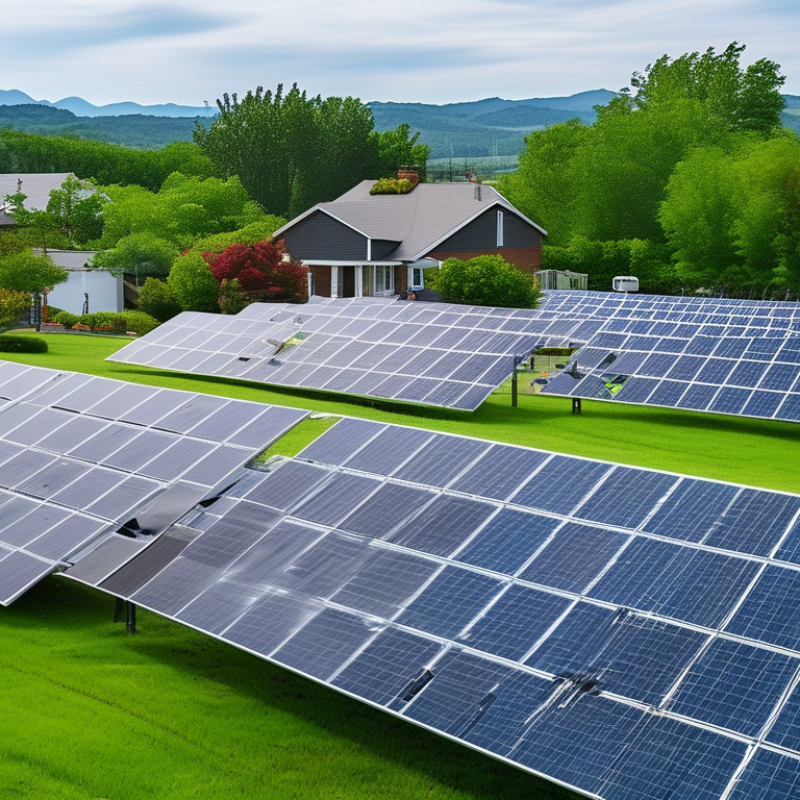
Recent advancements in solar panel technology have transformed the market for homeowners. Today’s solar panels are more efficient and durable than ever. New materials, such as bifacial solar cells, capture sunlight from both sides. This innovation can boost energy output significantly, especially in snowy or sandy regions.
Additionally, the integration of smart technology is enhancing solar energy use. Many systems now feature real-time monitoring through mobile apps. Homeowners can track their energy production and consumption effortlessly. This data helps in optimizing usage patterns. However, the complexity of these systems can sometimes lead to user confusion. Understanding the technology is crucial for maximizing its benefits.
Another interesting development is the rise of solar shingles. Unlike traditional panels, these blend seamlessly into a roof. They provide aesthetic appeal and energy generation. Yet, they can be costly and may not be suitable for every home design. Homeowners should weigh the pros and cons carefully before making a decision.
Evaluating the Cost-Effectiveness of Solar Solutions for Homeowners
Homeowners are increasingly looking at solar solutions as a way to reduce energy costs. According to the U.S. Department of Energy, installing solar panels can lead to an average savings of approximately $1,500 per year on energy bills. However, the initial investment remains significant. A standard solar panel system can cost between $15,000 to $30,000. This range does not include state incentives or federal tax credits that can significantly lower the expense.
Evaluating cost-effectiveness involves more than just immediate savings. Lifespan is a critical factor. Quality solar panels typically last 25 to 30 years. This long-term gain can offset the upfront costs over time. Yet, not every household may benefit equally. Factors like roof orientation, local sunlight exposure, and electricity rates vary widely. A detailed assessment is necessary to determine individual circumstances.
The potential environmental benefits are also worth considering. Solar energy reduces reliance on fossil fuels. However, the recycling of solar panels remains a challenge. Many homeowners grapple with the sustainability of the materials used. From a financial perspective, understanding the return on investment is essential. Some homeowners may find other energy efficiency upgrades may yield similar or better returns. Educating oneself is vital for making informed decisions in the realm of solar energy.
Top Solar Energy Systems: Comparing Grid-Tied, Off-Grid, and Hybrid Options
When choosing a solar energy system, homeowners face three primary options: grid-tied, off-grid, and hybrid systems. Each type has its unique benefits and challenges, influencing your decision based on personal needs. Grid-tied systems connect to the local power grid, allowing homeowners to use solar energy while still relying on traditional electricity. This setup can be cost-effective, as homeowners can sell excess energy back. However, it offers little backup during blackouts.
Off-grid systems provide complete independence from the grid, utilizing battery storage for energy. This option is ideal for remote locations but may require significant initial investment. Homeowners must also consider energy consumption. Sizing the solar panels and batteries correctly can be challenging, and overestimating can lead to wasted resources. Maintaining them might pose additional difficulties, especially in extreme weather.
Hybrid systems combine the advantages of both grid-tied and off-grid setups. They provide flexibility, allowing homeowners to switch based on conditions. However, hybrid systems can be complicated to install and manage. Balancing energy needs and system capabilities requires careful planning. With so many choices, reflecting on individual circumstances is crucial before making a decision. Each option has trade-offs that deserve thorough consideration.
2026 Best Solar Solutions for Homeowners to Consider
| Solar System Type |
Initial Cost ($) |
Average Savings Over 25 Years ($) |
Maintenance Cost (Annual) ($) |
Energy Independence (%) |
| Grid-Tied |
15,000 |
30,000 |
300 |
20 |
| Off-Grid |
25,000 |
45,000 |
500 |
100 |
| Hybrid |
20,000 |
35,000 |
400 |
75 |
Government Incentives and Rebates for Home Solar Installations
Government incentives and rebates play a crucial role in promoting solar installations for homeowners. In recent years, the federal solar tax credit has remained a significant factor. Homeowners can deduct 26% of the cost of their solar systems from their federal taxes. This incentive significantly reduces the upfront expense of solar energy, making it more accessible.
In some states, additional incentives are available. For example, certain regions offer property tax exemptions for solar installations. This allows homeowners to avoid increased taxes based on the added value of solar systems. Reports indicate that many states also have performance-based incentives. Under these programs, homeowners can earn payments based on the actual energy produced by their solar systems.
Despite these benefits, challenges persist. Some homeowners may find the application process confusing. Understanding eligibility requirements can be overwhelming. Insufficient local information may deter potential adopters. According to a survey conducted by the Solar Energy Industries Association, many homeowners still lack awareness of available incentives. It suggests a need for streamlined information and greater clarity in the incentive landscape. This could encourage more homeowners to consider solar solutions.
Sustainable Practices: Maintaining and Upgrading Home Solar Systems
When maintaining and upgrading home solar systems, homeowners must focus on optimal efficiency. A clean solar panel is crucial. Dust and debris can reduce energy production by up to 20%. Regular cleaning should be part of your routine. Assess wiring and connections yearly to catch potential issues early. Unattended wear and tear can lead to efficiency loss.
Upgrading can also enhance performance. Consider adding energy storage solutions. These systems store power for use when sunlight is low. Battery technology has improved significantly. However, installation must be carefully chosen. Not all homes are suited for every type available. Engage with energy professionals who can provide insights tailored to your specific needs.
Some homeowners may overlook monitoring systems. These tools track energy use and production. If something isn't right, you will know quickly. However, the initial setup can seem complex. Don't be discouraged—understanding your system will empower you. Regular engagement with your solar setup can lead to more informed decisions in the future. It's an ongoing process that benefits both you and the environment.