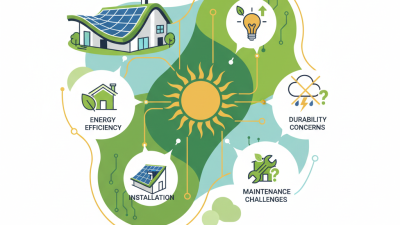
Why Choose DIY Solar Panels for Your Energy Needs?
As energy prices rise, many homeowners are looking for alternatives. DIY solar panels offer an appealing solution. According to Dr. Sarah Thompson, a leading expert in renewable energy, "Embracing DIY solar panels empowers individuals to take control of their energy consumption." This sentiment resonates strongly in today’s eco-conscious society.
The process of building your solar panels may seem daunting. However, with the right guidance and knowledge, the benefits can be substantial. Not only does this approach save money, but it also fosters a sense of accomplishment. DIY solar panels can reduce reliance on the traditional energy grid, which is increasingly viewed as less reliable.
Many individuals have successfully created their own systems, but challenges can arise. Sourcing quality materials and understanding installation are critical. There may be more trial and error than expected. In the end, the freedom gained from DIY solar energy is often worth the effort.
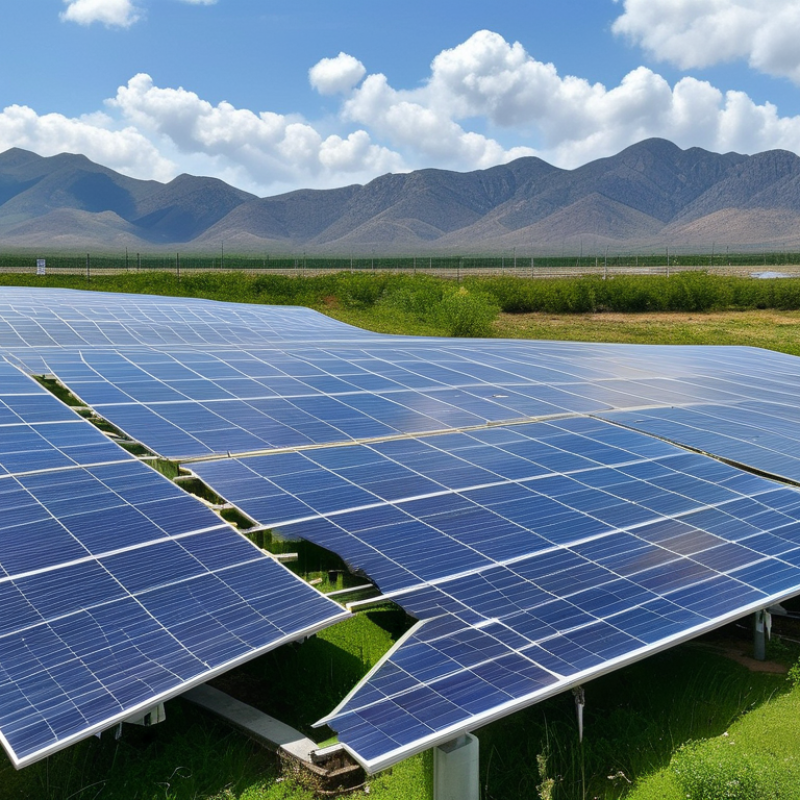
Benefits of DIY Solar Panels for Home Energy Solutions
DIY solar panels present a cost-effective approach to harnessing renewable energy. By building your own system, you gain control over your energy production. This can lead to significant savings on electricity bills. Many DIY enthusiasts find satisfaction in creating something functional from scratch. It becomes a rewarding project, connecting them with sustainable living practices.
A DIY solar setup offers flexibility in design and installation. Homeowners can customize the system to fit their unique energy needs. Additionally, they can choose materials based on availability and budget. However, this process is not without challenges. Understanding the technical aspects of solar technology can be daunting for some. Research is essential to ensure effective energy conversion and system longevity.
Many people underestimate the learning curve involved. Mistakes can lead to inefficiencies or even functional issues. Proper planning is crucial to avoid costly repairs. Engaging with online communities can provide support and shared experiences. This knowledge-sharing emphasizes a collaborative approach to renewable energy. Ultimately, taking on a DIY solar project fosters a deeper understanding of energy solutions.
Cost Savings: Understanding the Financial Advantages of DIY Solar Panels
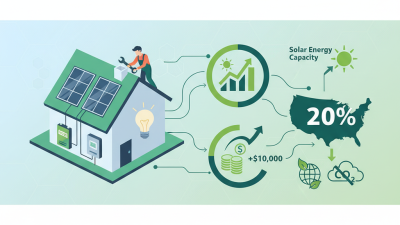
DIY solar panels offer compelling cost savings for homeowners looking to reduce energy bills. According to the Solar Energy Industries Association, residential solar installations have dropped by 20% since 2020. This trend makes DIY solar projects increasingly attractive. A typical solar panel system can cost anywhere from $15,000 to $25,000. However, by choosing the DIY route, homeowners can cut installation costs by nearly 50%. This means potential savings of $7,500 to $12,500.
Additionally, research from the National Renewable Energy Laboratory indicates that DIY solar panel setups can yield an ROI of 10% to 25%. Homeowners benefit not only from reduced energy bills but also from increased home value. Recent data shows that homes with solar installations sell for about 4% more than those without. These financial advantages provide strong motivation for many to consider a DIY approach.
It's important to note that DIY solar installation requires a certain level of skill and knowledge. Mistakes during installation can lead to inefficiencies or even safety hazards. Homeowners must weigh the savings against the time and effort required. Engaging with online resources and local workshops can help bridge knowledge gaps. This preparation is crucial for maximizing the financial benefits of a DIY solar project.
How to Assess Your Energy Needs Before Starting a DIY Project
Assessing your energy needs is crucial in a DIY solar panel project. Begin by evaluating your current energy consumption. The U.S. Energy Information Administration reports that the average American household consumes about 877 kWh per month. To size your solar system correctly, track your energy use over a year. This will provide a clearer picture of seasonal variations.
Consider your electricity bills. Analyze them for at least the last twelve months. Identify the peak usage months and determine your highest bill. This information helps frame the appropriate solar capacity you'll need. It’s worth noting that many DIY solar projects fall short due to overestimating needs. Research indicates that up to 25% of DIY systems underperform because creators overlook key factors like energy losses.
Another layer to explore is your future energy consumption. Will you add more appliances or an electric vehicle? The California Energy Commission emphasizes future demand forecasting as a best practice. Anticipating changes can prevent you from having to upgrade your system later. Remember to also assess your location and sunlight exposure. Various geographical areas receive different amounts of solar radiation. This directly influences the efficiency and output of your panels.
Step-by-Step Guide to Building Your Own Solar Panels
Building your own solar panels can be a rewarding endeavor. Many people are turning to DIY solar solutions as energy costs rise. A report by the National Renewable Energy Laboratory highlights that average utility prices have outpaced inflation since 2000. By making your own panels, you can potentially save thousands over time.
The process of creating solar panels is not overly complicated. Start with solar cells, which can be purchased from several online platforms. Make a sturdy frame from wood or aluminum and connect the cells with wires. This construction requires patience and precision, so expect some trial and error. According to a study from the Solar Energy Industries Association, DIY projects can cut up to 70% off costs compared to commercial panels. However, ensure safety during assembly and installation. Mistakes can lead to inefficiencies.
It is crucial to reflect on your energy needs. Assess your household's consumption patterns before building. Some might find their DIY panel produces less energy than expected. This can be frustrating but is part of the learning curve. Adaptation might be needed, whether that means adjusting the size or number of panels. Each project teaches valuable lessons for future energy solutions. By engaging in this hands-on approach, you gain insights into solar technology and sustainability practices.
Common Challenges and Solutions in DIY Solar Panel Installations
DIY solar panels can be a rewarding yet challenging project. Many start with enthusiasm but face various hurdles along the way. One common challenge is understanding the electrical requirements. Miscalculating the wattage needs can lead to insufficient energy supply. It is crucial to measure your household consumption accurately. Consider conducting a detailed energy audit before beginning installation.
Another frequent issue involves the installation process itself. Many DIY enthusiasts encounter problems with alignment or mounting. Incorrect angles can reduce efficiency. Take time during setup. Ensure that solar panels face the right direction and have no obstructions. Watching tutorial videos can help bridge knowledge gaps but might not cover every specific issue.
Lastly, maintenance poses a challenge that many overlook. Dust, debris, and shading can diminish panel performance. Regular cleaning and inspections are essential to maintain optimal efficiency. Document your maintenance activities for future reference. Reflecting on what works and what doesn't will enhance your DIY solar journey.
DIY Solar Panel Installation Challenges and Solutions