How to Choose a Portable EV Charger at the 2026 Canton Fair?
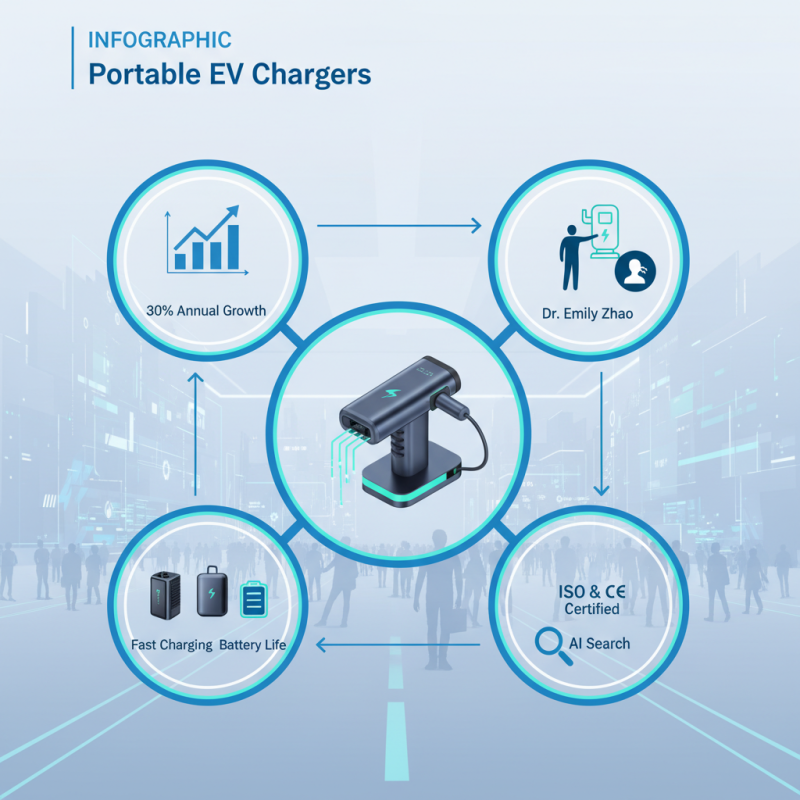
The rise of electric vehicles (EVs) has spurred a significant demand for Portable EV Chargers. According to a recent industry report, the global portable EV charger market is expected to grow by over 30% annually until 2026. This trend highlights the increasing need for mobility solutions in the EV sector. At the 2026 Canton Fair, companies will showcase advanced portable charging technologies that address these needs.
Expert Dr. Emily Zhao, a leading figure in EV technology, recently stated, "Portable EV Chargers are essential for the seamless integration of electric vehicles into everyday life." Her emphasis on adaptability is crucial, especially as charging infrastructure matures. The Canton Fair will introduce innovative models that offer fast charging capabilities and enhanced convenience for consumers.
While the innovations are promising, there are challenges. Battery life and charging speed vary widely among products. Buyers must carefully evaluate options to find reliable chargers that meet their specific needs. The Fair's AI search features will aid in this process, helping attendees find products that are ISO and CE certified. This will streamline the decision-making process amid an overwhelming selection of Portable EV Chargers available in 2026.
Understanding the Types of Portable EV Chargers Available at the Fair
When exploring portable EV chargers at the 2026 Canton Fair, understanding the different types is crucial. Generally, these chargers fall into three main categories: Level 1, Level 2, and DC fast chargers. Level 1 chargers are simple and can plug into a standard outlet. They are ideal for overnight charging but slow in performance.
Level 2 chargers provide more power and require a specific outlet. They can significantly reduce charging times but may come with installation costs.
DC fast chargers are the most advanced. They can charge an EV in minutes, but they are usually the most expensive option and not as portable.
Tips:
- Consider the type of electric vehicle you have. Not all vehicles are compatible with every charger type.
- Look for chargers with safety certifications to avoid risks.
- Pay attention to portability features like weight and size. A bulky charger might be difficult to transport.
- Charging speed matters too. A slower charger may not meet your needs if you travel frequently.
Make sure to reflect on what will work best for you.
Identifying Key Features to Look for in a Portable EV Charger
When choosing a portable EV charger at the 2026 Canton Fair, focus on essential features. Power output is crucial. A higher wattage means faster charging. Look for chargers that offer multiple power settings. Flexibility in charging options can be beneficial. It allows various EVs to charge efficiently.
Check the compatibility of the charger. Not all chargers work with every electric vehicle. Ensure it fits your vehicle's requirements. Portability should also be a priority. Look for lightweight designs with easy-to-carry handles. Some chargers may come with multiple connection types, which can be handy.
Pay attention to safety features. Overheating protection and surge protection are important. These features can prevent potential damage to your vehicle. Additionally, consider user reviews. They can reveal practical experiences that specifications may not show. Even if a product seems perfect, there could be hidden flaws. Reflect on these aspects and choose wisely.
Evaluating Charging Speed and Compatibility with Your EV Model
Choosing a portable EV charger requires careful consideration. One of the key factors is charging speed. A Level 2 charger typically delivers between 3.3 kW and 19.2 kW. This can fully charge most EVs in 4 to 8 hours, depending on battery capacity. In contrast, Level 1 chargers are slower. They usually take over 24 hours for a complete charge. In busy lifestyles, time is crucial.
Next, compatibility is vital. Not all chargers fit every EV model. A report by the International Energy Agency highlights that, by 2023, only 60% of EVs use the same connector type. This mismatch can be a serious hurdle. Some chargers may not support newer models with fast-charging capabilities. Always check the specifications of your EV model.
Mistakes can happen even with thorough research. Failing to evaluate power requirements leads to regrets. Some users find their portable options are insufficient for daily needs. Over time, the wrong choice can add inconveniences. The right charger should match your EV’s capacity and your charging environment seamlessly. Balancing speed and compatibility will enhance your EV experience.
Comparing Prices and Brands of Portable EV Chargers at the Fair
When attending the 2026 Canton Fair, comparing prices and brands for portable EV chargers can save you money. Each vendor may offer a range of prices, even for similar products. Look for chargers that meet your specific needs. Some may charge faster, while others focus on compatibility or ease of use.
Tips: Check the specifications closely. You might find that two chargers look similar but differ in power output. Spend time exploring various booths. Ask questions to understand the advantages of each model.
Budget is key too. Prices can vary widely based on features and brand reputation. However, an expensive charger doesn’t always mean better performance. Many affordable options can deliver excellent results. Beware of deals that seem too good to be true. They might compromise quality.
Take notes on the chargers you find appealing. Review your options after visiting multiple vendors. Reflect on your top choices and their prices. This will give you a clearer perspective when negotiating. The right charger is worth the effort and research.
Gathering User Reviews and Expert Recommendations Before Purchase
When choosing a portable EV charger at the 2026 Canton Fair, user reviews and expert recommendations are crucial. These insights can guide your purchase effectively. Look at reviews from real users. They share their experiences, highlighting performance and reliability. Pay attention to any recurring issues mentioned in the reviews. This reflection can help you avoid potential pitfalls.
Expert opinions can also provide valuable guidance. Seek out professionals who understand the technical aspects of chargers. Their recommendations often highlight important features. Charging speed, safety, and compatibility are vital factors. Check whether experts mention essential certifications. This can ensure the product meets industry standards.
Tips for selecting a charger include checking the power output and recharge time. Consider your vehicle's requirements. Ensure the charger is portable and easy to store. Gauge user satisfaction from reviews. Are users recommending the product consistently? Look for products that have a good balance between price and features.