How to Choose the Best Portable Solar Panels for Camping and Outdoor Use
When venturing into the great outdoors, one of the essential considerations for campers and adventurers is ensuring a reliable source of power. Portable solar panels have emerged as a popular solution for providing clean energy while minimizing the environmental impact. According to renowned expert in renewable energy, Dr. Emily Carter, “The versatility and efficiency of portable solar panels make them an ideal choice for outdoor enthusiasts who seek to stay connected while enjoying nature.”
Selecting the best portable solar panels involves understanding your specific needs, such as the energy requirements of your devices, the weight and size of the panels, and the efficiency of solar technology. Since outdoor conditions can vary dramatically, choosing solar panels that can withstand harsh weather is equally important. Additionally, understanding the different types of portable solar panels available can help you make an informed decision that ensures your outdoor experience is both enjoyable and powered.
As the popularity of camping and outdoor activities continues to rise, knowing how to choose the best portable solar panels is critical for harnessing renewable energy effectively. This guide will explore key factors to consider when selecting the right portable solar panels for your next adventure.
Understanding the Basics of Portable Solar Panel Technology for Camping
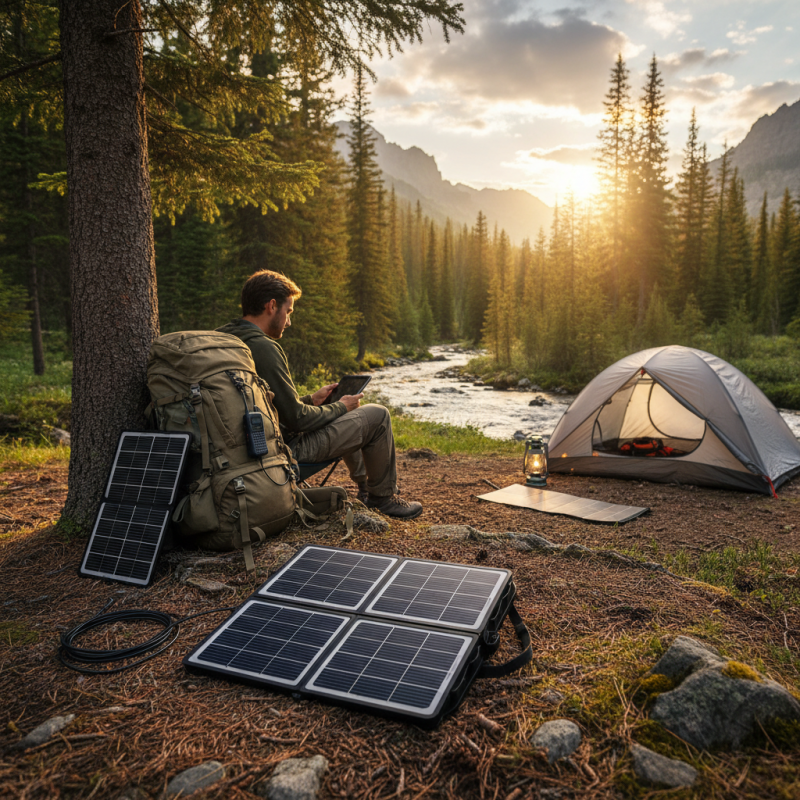
When it comes to choosing the best portable solar panels for camping and outdoor use, understanding the basics of solar panel technology is essential. Portable solar panels typically consist of photovoltaic (PV) cells that work by converting sunlight into electricity. These cells are usually made from silicon, which is an abundant and effective material for harnessing solar energy. The efficiency of solar panels depends on the quality of these cells, how they are arranged, and the overall design of the panel. It’s vital to look for panels that balance portability, efficiency, and durability, especially if you are venturing into remote areas.
Another crucial aspect to consider is the power output of the portable solar panels. This is often measured in watts, and the output can vary based on the size and type of the panels. When selecting solar panels for camping, it is important to assess your power needs. Consider the devices you plan to charge or power, such as lights, phones, or even larger appliances. Additionally, pay attention to features like battery storage compatibility, as this can enhance your ability to store energy for use when sunlight is limited. Understanding these technological fundamentals will help you make an informed choice tailored to your outdoor adventures.
Key Factors to Consider When Selecting Solar Panels for Outdoor Use
When selecting portable solar panels for camping and outdoor use, several key factors should guide your decision. First, consider the wattage output. This will determine how much power you can generate and store. Higher wattage panels can charge devices faster but may be bulkier. For weekend camping trips, panels between 50 to 150 watts are usually sufficient, while longer adventures may require a more robust solution.
Another essential factor is the weight and portability of the panels. Look for lightweight designs that can be easily packed into your gear. Foldable or rollable panels can maximize portability without compromising on performance. Additionally, assess the build quality and weather resistance. Given the unpredictable outdoor conditions, panels made with durable materials that can withstand rain, wind, and rough handling are preferable.
Tips: When planning your outdoor activities, think about your power needs carefully. Calculate the devices you intend to charge, such as phones, cameras, or small appliances. Also, consider solar efficiency; panels that perform well in low-light conditions can be particularly advantageous during cloudy days or shaded environments. Finally, pay attention to connectivity options, such as USB ports, to ensure you can easily plug in and power your devices on the go.
Solar Panel Efficiency Comparison for Camping
Comparing Solar Panel Efficiency Ratings: What You Need to Know
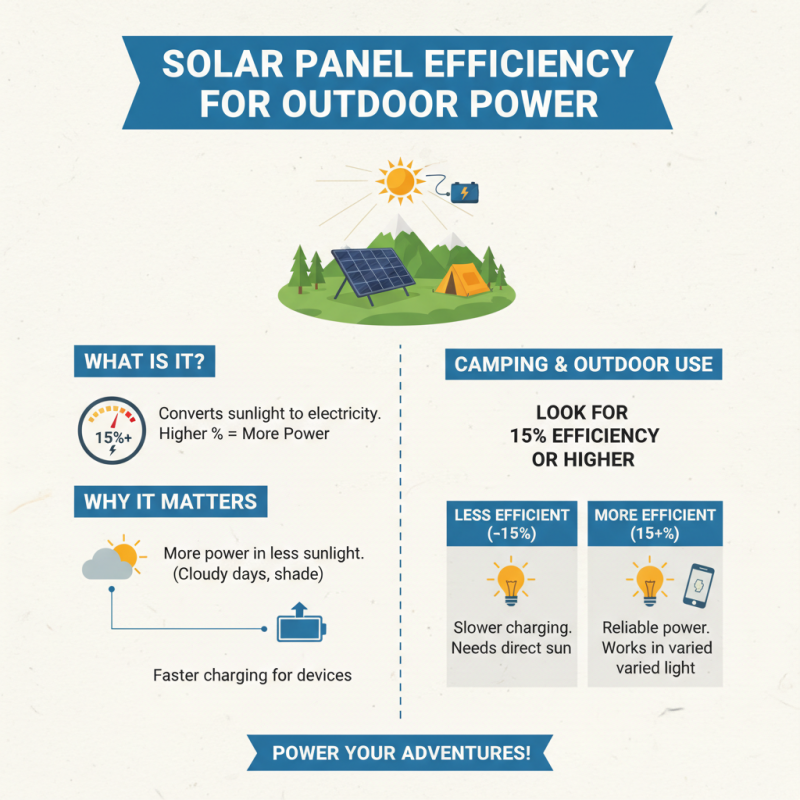
When selecting portable solar panels for camping and outdoor use, understanding solar panel efficiency ratings is essential. Efficiency ratings indicate how well a solar panel converts sunlight into usable electricity. Typically expressed as a percentage, higher ratings signify more efficient panels. For outdoor activities, you generally want panels with an efficiency rating of 15% or higher, as they can generate more power even in limited sunlight conditions.
Tips: Consider the size and weight of the solar panels. Lightweight and compact designs are ideal for camping, as they are easier to transport and set up. Additionally, while higher efficiency panels may come with a higher price tag, investing in a quality product can yield better performance and longer-lasting energy supply, especially during extended trips.
Another factor to consider is the type of solar panel technology. Monocrystalline panels usually offer higher efficiency compared to polycrystalline ones, making them a preferred choice for limited space. Additionally, look for panels with durable materials and features like weather resistance to ensure they can withstand outdoor conditions while providing a reliable power source throughout your adventures.
Essential Features of Durable and Weather-Resistant Solar Panels
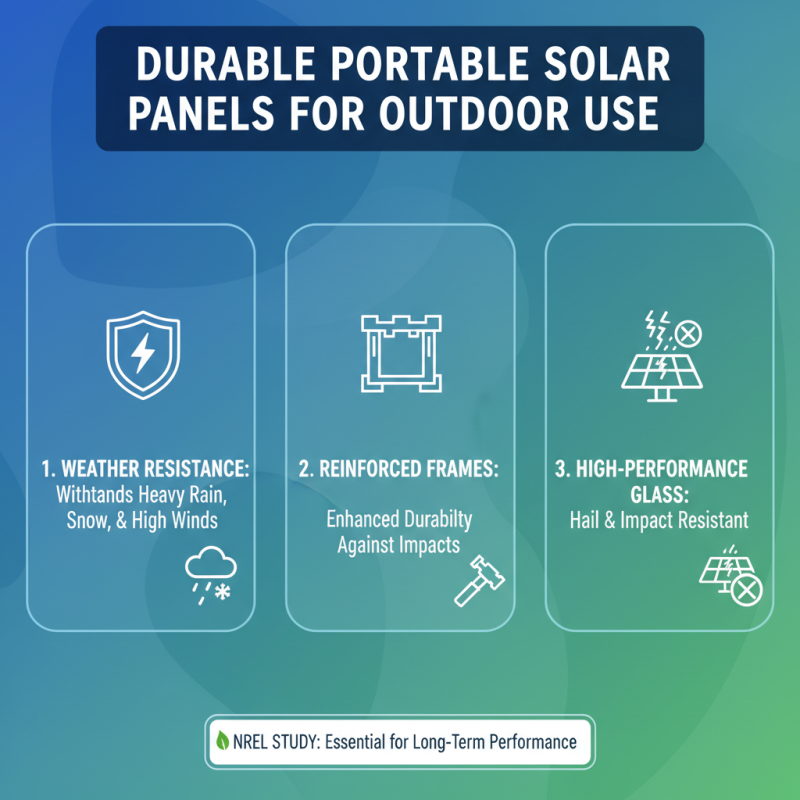
When selecting portable solar panels for camping and outdoor use, prioritizing durability and weather resistance is essential. A study conducted by the National Renewable Energy Laboratory (NREL) indicates that solar panels designed for outdoor conditions should typically withstand extreme weather, including heavy rain, snow, and high winds, to ensure long-term performance. Look for panels with reinforced frames and high-performance glass that can endure impacts, such as hail, which can significantly damage lower-quality panels.
Additionally, the effectiveness of solar panels can diminish if they are not adequately resistant to environmental factors. According to a report from the Solar Energy Industries Association (SEIA), panels with a minimum rating of IP65 for dust resistance and water protection are crucial for outdoor applications. This rating ensures that the solar panels can function well even in challenging conditions, which is vital for camping trips often characterized by unpredictable weather. Moreover, panels that utilize corrosion-resistant materials can extend their lifespan by preventing damage from moisture and rust. Thus, choosing solar panels that meet these durability and weather-resistant standards is key for any outdoor enthusiast seeking reliable energy solutions.
Budgeting for Portable Solar Panels: Average Costs and Investment Value
When budgeting for portable solar panels, it's essential to understand the average costs and the value of your investment. Portable solar panels typically range from $100 to $500, depending on factors like wattage, efficiency, and the technology used. Lower-end models may suffice for basic needs, such as charging small devices, while higher-end options provide greater power capabilities, suitable for larger electronics or extended camping trips. It's crucial to evaluate your specific energy requirements to avoid overspending on features you may not need.
In addition to the initial purchase price, consider other financial aspects such as durability and warranty. Investing in high-quality solar panels can save money in the long run by reducing dependence on disposable batteries or fuel-based generators. Furthermore, many portable solar panels come with warranties, offering peace of mind regarding their longevity and performance. By weighing these factors, you can make an informed decision that balances your camping needs with your budget constraints, ensuring a valuable investment for your outdoor adventures.
How to Choose the Best Portable Solar Panels for Camping and Outdoor Use - Budgeting for Portable Solar Panels: Average Costs and Investment Value
| Panel Type |
Weight (lbs) |
Wattage |
Average Cost ($) |
Investment Value (Years) |
| Monocrystalline |
15 |
100W |
150 |
25 |
| Polycrystalline |
20 |
100W |
120 |
20 |
| Thin-Film |
25 |
75W |
100 |
10 |
| Foldable |
5 |
60W |
80 |
15 |