How to Choose the Best Veneer Peeling Machine for Your Needs?

Choosing the right Veneer Peeling Machine can be a daunting task. With many options available, it is essential to understand your specific needs. Veneer peeling involves the delicate process of transforming logs into thin sheets of wood. Selecting the wrong machine can lead to inefficiencies and waste.

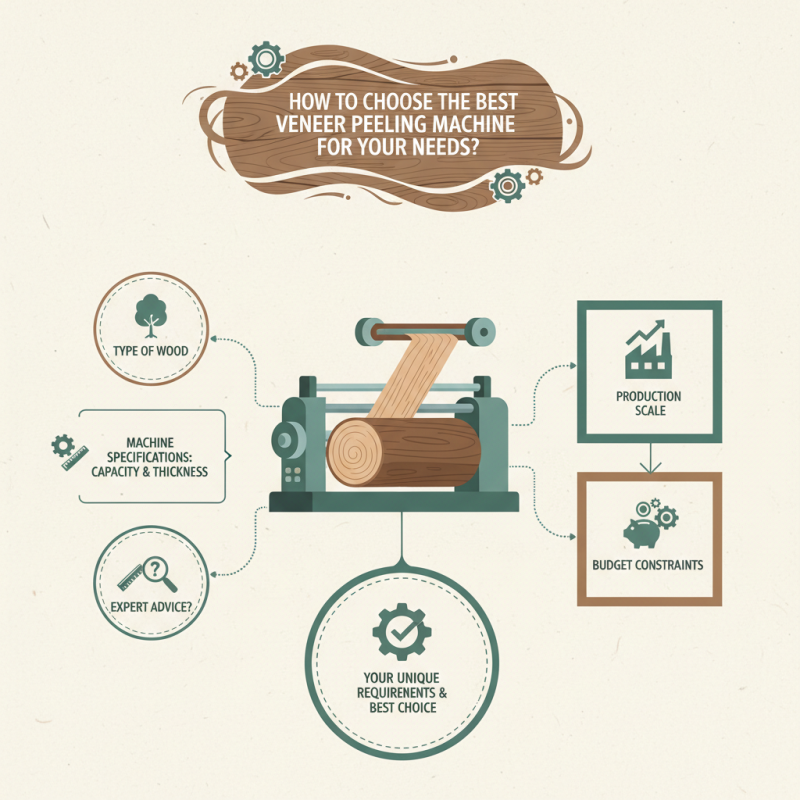
Consider the type of wood you will be working with. Each type may require a different approach. The machine's specifications play a crucial role in its performance. Pay attention to the peeling capacity and the thickness options. A machine that seems perfect might not perform well with your specific materials.

Expert advice can help navigate this process. However, remember that not all recommendations are applicable to your situation. It’s vital to assess your unique requirements carefully. Think about your production scale and budget constraints. Reflecting on these factors will help steer you toward the best choice for your veneer peeling needs.
How to Choose the Best Veneer Peeling Machine for Your Needs?

Understanding Veneer Peeling: Definitions and Industry Standards

Veneer peeling is a vital process in the wood industry. It involves removing a thin layer of wood from a log to create sheets of veneer. This technique enhances the appearance of furniture and flooring while maximizing the use of timber. However, understanding the nuances of veneer peeling is crucial. The quality of veneer is influenced by the type of machine used and the operator's skill.

Industry standards play a significant role in this process. For instance, precision is key to maintaining veneer thickness. Inconsistent thickness can lead to waste and decreased profitability. Moreover, operator training is essential. Skilled workers can better manage the machine settings to achieve optimal results. Many challenges arise during production, such as wood defects and machine maintenance. Addressing these issues promptly can improve output quality.

Choosing the right veneer peeling machine requires careful consideration of these aspects. Researching industry standards helps clarify expectations. Understanding the type of wood and desired veneer quality is also important. A machine that works well for one type of wood may not suit another. Observing the performance of different machines might reveal their strengths and weaknesses. The journey to find the best machine involves reflection on operational needs and market demands.

How to Choose the Best Veneer Peeling Machine for Your Needs?

Feature Description Importance
Cutting Width The maximum width of veneer that can be processed. High - Affects the application range.
Peeling Speed Speed at which the machine can peel the veneer. Medium - Influences production efficiency.
Power Consumption Energy consumed by the machine during operation. Medium - Affects operational costs.
Automation Level Degree of automation integrated into the machine. High - Impacts labor costs and precision.
Maintenance Frequency How often the machine needs servicing. High - Affects overall downtime.
Safety Features Incorporated safety measures to protect operators. Critical - Ensures safe operation.
Machine Dimensions Size and footprint of the machine. Medium - Important for workspace management.

Assessing Your Production Needs: Capacity and Output Requirements

When assessing your production needs for a veneer peeling machine, it’s crucial to consider capacity and output requirements. According to industry reports, many manufacturers seek machines that can produce between 1,500 to 3,000 square feet of veneer daily. This range allows for flexibility, accommodating both small-scale operations and larger facilities. Evaluating your production volume can directly influence the type of machine you invest in.

In addition to daily output, consider your raw material availability. If your wood supply is inconsistent, opting for a machine with adjustable feed rates is essential. Reports highlight that machines lacking this feature can lead to significant downtimes. You might also reflect on the efficiency of the peeling process. According to industry studies, machines with optimized cutting angles can improve yield by up to 20%. This may seem minor but can affect your overall profitability.

Further, think about the sustainability of your production. Wood waste in the peeling process can be substantial. An efficient machine will minimize waste and optimize the use of each log. This consideration is not just ethical but also aligns with the growing trends in the industry towards sustainability. Investing in the right machine means balancing these factors while reflecting on your long-term business goals.

Key Features to Evaluate: Blade Quality and Technology Specifications

When selecting a veneer peeling machine, blade quality and technology specifications play crucial roles. A sharp, hardened blade ensures an even cut. This is important for achieving consistent veneer thickness. Poor blade quality can lead to chipping and waste. It’s beneficial to inquire about the blade material and sharpening methods.

Technology specifications are equally important. Machines equipped with advanced features often provide better performance. Look for features like adjustable speed controls and automatic feeding systems. These can greatly enhance efficiency and minimize operator fatigue.

Tips: Always request a demo before purchasing. This can help you understand the machine’s operation and capabilities. Also, consider maintenance requirements. A more complex machine may offer better results but could be harder to maintain. Be realistic about your production volume. This will influence your decision on the machine’s specifications.

Comparison of Veneer Peeling Machine Features

Cost vs. Quality: Budgeting for a Reliable Veneer Peeling Machine

When considering the purchase of a veneer peeling machine, it’s essential to balance cost and quality. Many manufacturers recommend allocating at least 25% of your budget towards high-quality machinery. This investment often results in better efficiency and lower long-term maintenance costs. A reliable machine can produce veneers with consistent thickness, reducing raw material waste by approximately 10% based on industry data.

However, budget constraints can lead to compromises. Some users report that cheaper models may perform well initially but often require frequent repairs. According to a survey by the Woodworking Machinery Industry Association, 30% of respondents noted that under-budgeting led to increased downtime. This can severely affect operations and overall profitability.

It's crucial to assess both current needs and future scaling plans. For instance, if production volume increases, a more robust machine may become necessary. Choosing a low-cost option might seem appealing, but could hinder growth. Analyzing operational efficiency through user reviews and professional reports can provide insights into reliability and value.

Maintenance and Support: Ensuring Longevity and Efficiency of Equipment

When considering a veneer peeling machine, maintenance is crucial. Consistent upkeep ensures longevity, helping to avoid costly repairs. Regular cleaning of the blades can prevent build-up that leads to uneven cuts. Inspections should focus on key components, ensuring that all parts remain in good working condition.

Training staff on proper usage is just as essential. Improper handling can lead to damage or reduced efficiency. Creating a routine schedule for checks can help maintain the machine’s performance. Consider using checklists to track what needs attention. Even small oversights can impact production quality.

Support is another vital element. Choosing a machine from a manufacturer with solid customer service is beneficial. Effective communication can help resolve any issues as they arise. Response times vary, and it's important to ensure help is available when needed. Failure to have reliable support could result in extended downtimes, affecting operations. Being proactive in these areas reinforces the machine’s value in your workflow.