How to Choose WPC Composite Wall Panels for Your Project?
Choosing the right Wpc Composite Wall Panels for your project is essential for achieving long-lasting results. According to a recent industry report by the Composite Panel Association, the global market for composite materials is projected to grow significantly over the next few years. This growth highlights the increasing popularity of WPC panels in construction and design.
Expert John Smith, a well-known figure in the WPC industry, emphasizes the importance of selection: “Quality WPC Composite Wall Panels can enhance both aesthetics and durability.” In a landscape filled with various materials, finding the right option is challenging. It’s crucial to consider factors like environmental impact, maintenance requirements, and design flexibility.
The right choice can significantly influence project success. However, the market is not without its complexities. Many panels are not created equal, and distinguishing between high-quality options and subpar ones requires careful evaluation. Balancing cost with performance often leads to difficult decisions. Understanding these nuances is vital for making informed choices that meet your project's specific needs.
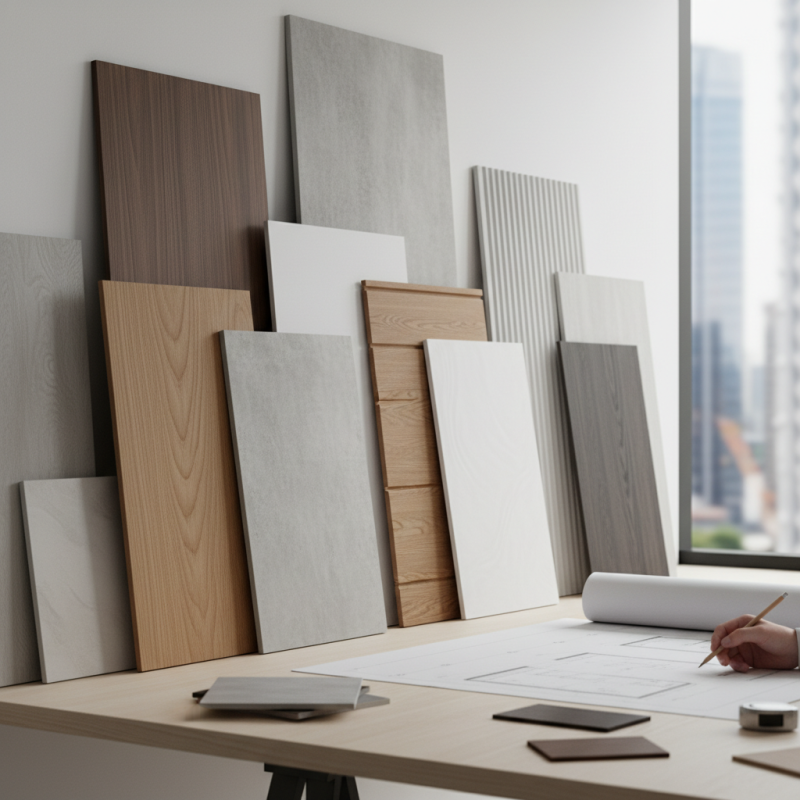
Factors to Consider When Selecting WPC Composite Wall Panels
When selecting WPC composite wall panels, there are several critical factors to consider. The choice of material affects both aesthetics and functionality. WPC panels often blend wood fibers and recycled plastic. This combination enhances durability and resistance to moisture. Reports indicate that WPC panels can last up to 25 years with proper maintenance. The environmental benefits are significant, as about 80% of the material can be recycled.
Another important factor is the panel’s surface finish. A textured surface can provide better grip and reduce slip hazards. However, the finish may affect the panel's lifespan and resistance to degradation. Research indicates that smoother surfaces might show wear and tear sooner than textured ones. Understanding the local climate conditions can also influence the choice. In areas with heavy rainfall, moisture-resistant panels can prevent mold growth, which is a common issue in composite materials.
Cost is a vital consideration as well. While WPC panels may come with higher upfront costs, they could save money in the long term. For instance, reduced maintenance and replacement costs could justify the initial investment. However, it's essential to analyze all aspects carefully, as not all WPC products are created equal.
Understanding the Benefits of WPC Materials in Construction Projects
WPC, or Wood Plastic Composite, materials are transforming construction. They combine wood fibers and plastic to deliver durability. This fusion results in products that resist moisture, decay, and pests. WPC panels can be utilized in various applications, providing an appealing and functional solution for walls.
Their benefits extend beyond mere aesthetics. WPC is lightweight, making installation easier. It offers thermal insulation properties, reducing energy costs over time. Plus, these materials come in various finishes, allowing customization that fits the project’s theme. However, a downside is that they may require specialized tools for handling. Care must be taken to ensure they are cut and installed correctly.
WPC panels also add sustainability to projects. They often use recycled materials in their manufacturing. This can significantly reduce the carbon footprint compared to traditional building products. Nonetheless, not all WPC products are created equal. Quality varies, so thorough research is essential for making the right choice. Understanding these aspects will greatly enhance decision-making for your construction project.
How to Choose WPC Composite Wall Panels for Your Project?
| Dimension | Description | Benefit |
| Material Composition | WPC combines wood fiber and plastic | Durability and resistance to moisture |
| Weight | Lightweight compared to traditional materials | Easier to handle and install |
| Environmental Impact | Made from recycled materials | Sustainable option for construction |
| Aesthetic Appeal | Available in various colors and finishes | Enhances visual attractiveness of buildings |
| Maintenance Requirements | Requires minimal maintenance | Cost-effective over the long term |
Evaluating Design Options and Aesthetic Features of WPC Panels
When evaluating design options for WPC composite wall panels, aesthetics play a critical role. Color, texture, and surface finish are essential factors. Choose hues that complement your space. Consider shades that harmonize with surrounding elements. A rich wood appearance might suit rustic settings, while sleek, modern tones work well in contemporary environments.
Texture adds depth to your design. WPC panels can mimic natural wood grain or offer a smooth finish. A textured surface can create visual interest. It may also enhance tactile experiences. However, be mindful of maintenance needs. Some textured finishes collect dust and dirt more easily. Thoughtful consideration of aesthetics should also include panel size and configuration. Larger panels can create a bold statement, while smaller pieces allow for intricate patterns.
Reflect on how light interacts with your chosen materials. Light can alter the perception of color and texture. Unique angles can cast interesting shadows. These elements contribute to the overall aesthetic. Strive for a design that not only pleases the eye but also fits your project's functional needs. Finding the right balance requires careful thought and sometimes, a bit of trial and error.
Assessing Durability and Maintenance Requirements of WPC Products
When selecting WPC (Wood Plastic Composite) wall panels, durability and maintenance are key factors. WPC products are engineered for longevity. They often resist rotting and warping, common challenges with traditional wood. A study by the Composite Panel Association notes that WPC panels can last up to 25 years with minimal maintenance, making them a cost-effective choice over time.
Maintenance requirements are crucial for long-term performance. While WPC panels are low-maintenance, occasional cleaning is necessary. A simple wash with soap and water suffices to keep them looking fresh. However, neglecting maintenance can lead to mold growth or discoloration. According to the American Society for Testing and Materials, proper upkeep increases both aesthetic appeal and lifespan.
Considerations also include environmental resistance. WPC products resist moisture, UV rays, and pests. However, the effectiveness can vary based on composition. Peer-reviewed studies have highlighted that not all WPCs are created equal. Understanding the specific properties of different products can guide informed decisions. Balancing durability and maintenance will ensure the best outcome for your project.
Comparative Analysis of Cost-Effectiveness for WPC Panels vs. Alternatives
When considering WPC (Wood Plastic Composite) panels, a comparative cost analysis against alternatives reveals some compelling insights. Recent industry reports suggest that WPC panels can save around 30% on maintenance costs over a 10-year period compared to traditional wood. This longevity stems from their resistance to warping and rotting. These characteristics are particularly beneficial in regions with extreme weather conditions.
However, it's essential to assess not just the initial installation cost but also long-term benefits. While WPC panels may have a higher upfront cost, their lower upkeep needs can lead to overall savings. A study found that homeowners investing in WPC can expect a return on investment of up to 75%. Meanwhile, alternatives like vinyl may have a lower initial price but can incur more costs down the line due to fading and cracking.
Incorporating WPC could enhance your project’s sustainability. Studies indicate that the production of WPC panels generates fewer greenhouse gas emissions than traditional building materials. Yet, it’s crucial to consider the environmental impact of the plastics used in their composition. Balancing cost with environmental responsibility often leads to a richer discussion on material choices in construction.