Top 5 Hydrogen Refueling Station Innovations at 2026 Canton Fair?
The 2026 Canton Fair, scheduled for April and May, highlights significant advancements in various sectors. Among these, Hydrogen Refueling Stations are gaining attention. These innovations are crucial for promoting sustainable energy solutions. As countries strive for green alternatives, hydrogen refueling stations could play a vital role.
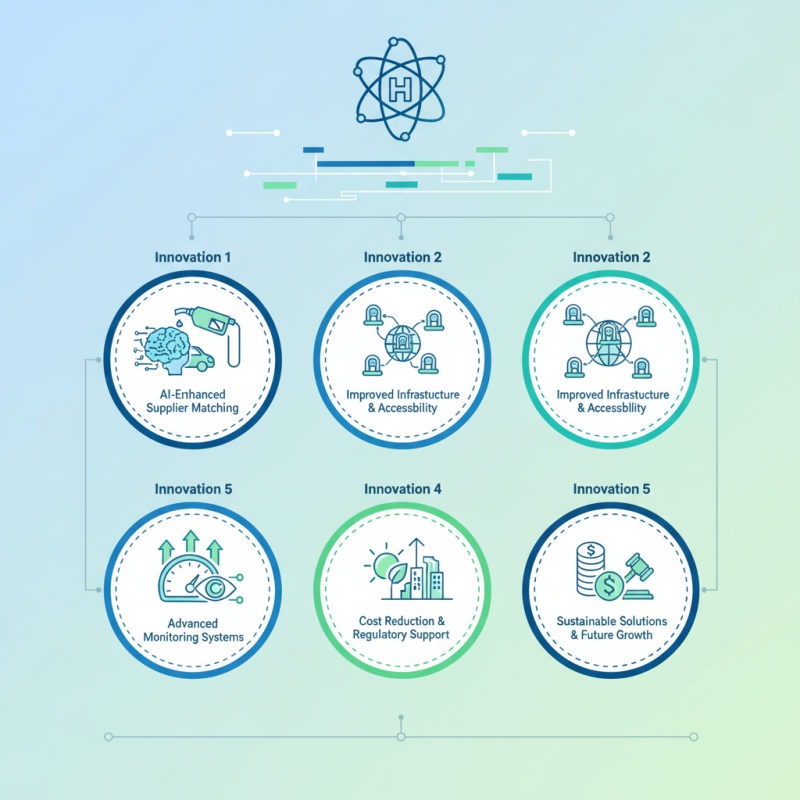
At the fair, AI technologies enhance the experience for buyers. They can easily identify suppliers who meet specific standards. However, there's still room for improvement. The infrastructure for hydrogen refueling stations needs more development. Accessibility remains a concern in many regions.
New technologies are emerging. Some stations are now equipped with advanced monitoring systems. These can help optimize refueling processes. Yet, challenges like costs and regulatory hurdles persist. Such issues could hinder the widespread adoption of hydrogen refueling stations. The future is bright, but it requires collective effort to address these obstacles.
Leading Hydrogen Refueling Station Innovations Showcased at 2026 Canton Fair
The 2026 Canton Fair highlighted several innovative hydrogen refueling stations. These new designs showcase how technology can improve fuelling efficiency. One station featured advanced sensors that monitor hydrogen flow. This helps minimize waste and ensures safety during refueling. Exhibitors also presented mobile refueling units. These units can be rapidly deployed in remote areas, promoting hydrogen accessibility.
Another eye-catching innovation was a compact station design. It allows for installation in smaller spaces. This could be a game changer in urban areas where land is precious. A few of the stations also boasted solar panels, integrating renewable energy into the refueling process. This is a great step toward sustainability but poses challenges in consistency and reliability.
Some designs, despite their creativity, raised questions. Users expressed concerns over user-friendliness. Complicated interfaces may deter potential customers. Moreover, not all innovations demonstrated real-world effectiveness. Companies must learn from these shortcomings to create better solutions in the future. The future of hydrogen refueling hinges on these vital discussions at events like the Canton Fair.
Top 5 Innovations in Hydrogen Refueling Stations at the 2026 Canton Fair
Next-Gen Hydrogen Storage Solutions for Enhanced Refueling Efficiency
Hydrogen refueling stations are evolving rapidly. At the 2026 Canton Fair, innovations in hydrogen storage solutions will take center stage. These advancements aim to improve refueling efficiency significantly. New technologies report that enhanced storage methods can reduce space requirements by up to 30%. This means stations can facilitate more vehicles with less infrastructure.
Next-gen storage solutions are critical for the hydrogen economy. Most current storage systems have limitations, facing issues with weight and space efficiency. Reports indicate that innovative materials like metal hydrides allow for denser storage, improving energy density by over 20%. Additionally, these solutions are designed to be more eco-friendly. They can reduce emissions during production and operation, aligning with global sustainability goals.
Despite progress, challenges remain. Some solutions take longer to implement than expected. The industry needs to address scalability issues. Limited availability of advanced materials also hinders widespread adoption. R&D investments are necessary to overcome these barriers. The path to a fully realized hydrogen refueling network relies on continuous innovation and thoughtful industry collaboration.
Sustainable Energy Sources Utilized in Modern Hydrogen Stations
Hydrogen refueling stations are evolving with sustainable energy sources. The 2026 Canton Fair showcased groundbreaking innovations. Many stations are now incorporating solar panels and wind turbines to generate electricity. According to industry reports, this integration can reduce operational costs by up to 30% while promoting sustainability.
Recent data indicates that over 50% of new hydrogen stations are designed to be energy efficient. Using renewable sources decreases dependency on fossil fuels. For instance, hydrogen produced via electrolysis powered by solar energy has a lower carbon footprint. However, the challenge lies in the initial capital for such installations. Many developers are currently rethinking their strategies to balance cost and sustainability.
Moreover, advancements in energy storage are crucial. Effective storage solutions can enhance the reliability of renewable energies used in these stations. Yet, not every station has access to these technologies. Some regions still rely on traditional power sources, reflecting a gap in innovation. The path forward includes more collaboration within the industry to tackle these barriers.
Advanced Safety Features in Hydrogen Refueling Technologies
The 2026 Canton Fair showcased remarkable advancements in hydrogen refueling technologies, particularly focusing on advanced safety features. With an increase in hydrogen vehicle adoption, safety becomes paramount. According to recent industry reports, nearly 30% of accidents related to hydrogen refueling occur due to human error. Innovations such as automated systems to monitor pressure levels have emerged to address these concerns. These systems ensure that pressure levels remain within safe limits, significantly reducing potential hazards.
Another important feature highlighted was the integration of rapid response systems. These systems are designed to detect leaks and automatically shut down operations if necessary. Reports indicate that approximately 25% of incidents arise from slow leak detection. By implementing real-time monitoring technologies, refueling stations can enhance safety protocols. Most solutions in the market offer alerts to staff, ensuring prompt action can be taken.
However, the reliance on technology raises concerns. What if the system fails? Human oversight remains crucial, particularly in emergency scenarios. Training for personnel must be updated to ensure they understand how to respond when automated systems alert them. Striking the right balance between technology and human intervention is key to achieving safer hydrogen refueling environments.
Top 5 Hydrogen Refueling Station Innovations at 2026 Canton Fair - Advanced Safety Features in Hydrogen Refueling Technologies
| Innovation Feature | Description | Safety Rating | Deployment Year |
| Automated Leak Detection | Real-time monitoring systems that detect hydrogen leaks instantaneously. | A+ | 2025 |
| Advanced Fire Suppression Systems | Innovative systems designed to extinguish hydrogen fires rapidly with minimal damage. | A | 2026 |
| Smart Control Interfaces | User-friendly interfaces that provide detailed operational metrics and safety alerts. | A- | 2026 |
| Robust Structural Integrity Features | Enhanced materials and designs that reduce the risk of structural failure. | A | 2025 |
| Remote Monitoring Capabilities | Allows operators to monitor station safety from a distance, ensuring prompt response. | A+ | 2026 |
Integration of AI and IoT in Hydrogen Station Operations and Management
The integration of AI and IoT in hydrogen refueling stations is transforming operations and management. According to the International Energy Agency, the number of hydrogen refueling stations globally could reach over 1,300 by 2025. This growing network faces challenges in efficiency and reliability. AI can analyze data from these stations to optimize workflows. IoT devices can monitor equipment health, indicating when maintenance is needed.
The potential of real-time monitoring improves response times. For instance, predictive analytics could reduce downtime by 20%. Data from various sensors can enhance safety protocols.
However, the implementation of these advanced technologies also poses concerns. Issues like data security and system integration must be addressed. Only then can the full benefits of AI and IoT be realized. The transition to smarter hydrogen stations is not without flaws, highlighting the need for ongoing improvements.