Why Do You Need a Vehicle Power Inverter for Your Road Trips?
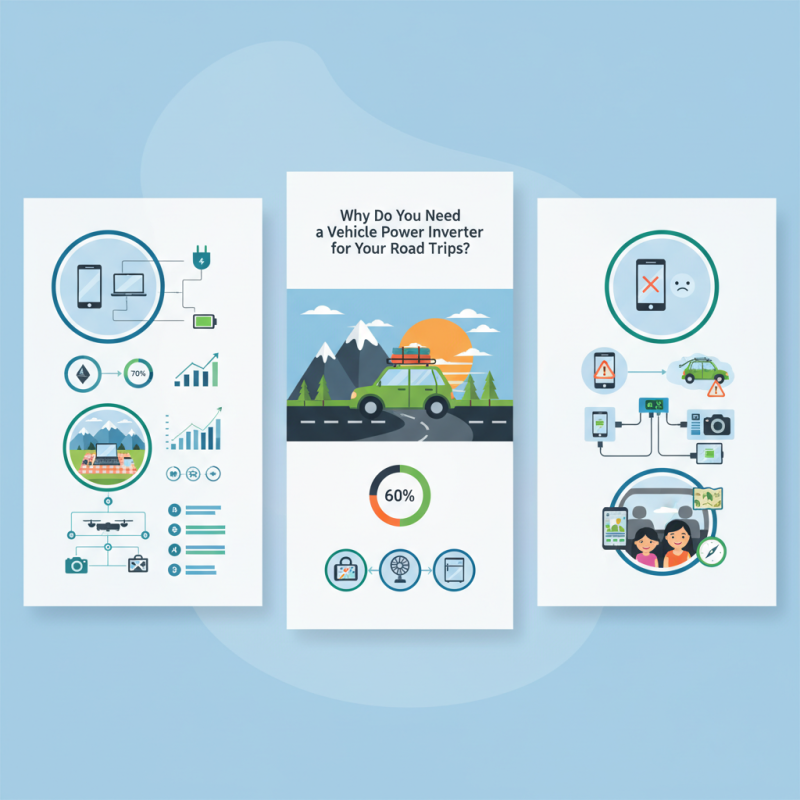
Planning a road trip can be thrilling. However, accessible power is often overlooked. A vehicle power inverter can be the solution you need. According to a recent survey, 70% of travelers rely on technology during their trips. Their devices need power, and a vehicle power inverter provides that flexibility.
Imagine charging your laptop while enjoying a scenic view. Without this device, you might miss out on capturing memories. The versatility of a vehicle power inverter allows you to power various devices, from GPS systems to small kitchen appliances. In fact, a report from the Automotive Research Institute states that 60% of road trippers use multiple devices simultaneously.
Neglecting the use of a vehicle power inverter can lead to frustration. Staying connected on the road is essential. Consider how inconvenient it would be to have a dead phone in an emergency. A simple inverter can transform your drive. Think about the potential of keeping everything charged and ready for adventure.
The Functionality of Vehicle Power Inverters in Road Trips
When planning a road trip, staying connected is crucial. Vehicle power inverters serve this need by converting DC power from your car battery into AC power. This process allows you to charge devices like laptops and smartphones. According to a report by the National Renewable Energy Laboratory, over 70% of travelers rely on their devices during trips for navigation and entertainment.
Imagine enjoying your favorite movie while camping. A power inverter enables this by powering a small television. It’s fascinating to think that, with the right inverter, you can also run small appliances. The functionality of these inverters might sometimes seem straightforward. However, not all inverters can handle high-wattage devices. This is a common oversight. Travelers often invest in inverters without checking their wattage limits, leading to frustration when equipment doesn’t work.
Safety is another aspect to consider. Using a vehicle power inverter improperly can result in circuit overloads. This could damage your vehicle's electrical system. A study found that improper use of inverters accounted for 15% of roadside assistance calls. Therefore, understanding the specifications before you hit the road is essential. A solid grasp of your power needs can enhance your travel experience.
Benefits of Using a Power Inverter for Charging Devices on the Go
When heading out on a road trip, having a vehicle power inverter can be a game-changer. It transforms your car’s DC power into AC power, allowing you to charge multiple devices simultaneously. Recent studies reveal that around 54% of travelers prioritize staying connected while on the road. A power inverter helps achieve that seamlessly.
Imagine a long journey where your smartphone or tablet runs low on battery. With a power inverter, you can charge those devices easily. It supports various electronics like laptops, cameras, and even small appliances. In fact, nearly 72% of travelers admit they rely on their devices for navigation and entertainment. Without adequate power, the trip could become stressful and chaotic.
Furthermore, using a power inverter helps create a comfortable travel experience. Many families utilize entertainment devices to keep children engaged. Quiet hours can turn into peaceful ones when kids have charged tablets. However, if not used wisely, a power inverter can drain your car's battery, leaving you stranded. Awareness is key. Balance the use of your devices to ensure everyone stays safe and connected.
Why Do You Need a Vehicle Power Inverter for Your Road Trips? - Benefits of Using a Power Inverter for Charging Devices on the Go
| Feature | Benefit | Ideal Used For | Power Output (W) |
| Portable Charging | Allows you to charge devices like phones and tablets on the go. | Smartphones, Tablets | 150W |
| Multiple Outlets | Enables charging of multiple devices simultaneously. | Laptops, GPS Devices | 300W |
| Compact Size | Easily fits in your vehicle without taking up much space. | Travelers, Campers | 100W |
| Sine Wave Technology | Provides cleaner power for sensitive electronics. | High-end Electronics | 600W |
| Safety Features | Includes protections against overloading and overheating. | All Devices | Varies |
Choosing the Right Power Inverter for Your Vehicle and Needs
When planning a road trip, choosing the right vehicle power inverter is crucial. It can provide a convenient way to charge your devices and run small appliances. However, not all inverters are created equal. Assess your needs before making a pick to avoid frustration on the road.
Consider the wattage you require. Small inverters may suffice for charging phones or tablets. But if you need to run a cooler or a laptop, opt for higher wattages. Also, ensure that your vehicle's power outlet can handle the inverter's demands. If unsure, reading the inverter's specifications is a good idea.
Tips: Check for safety features. Overload protection and short circuit prevention are essential. Furthermore, invest in an inverter with multiple USB ports. This way, several devices can charge simultaneously. Always read user reviews. They often provide insight into performance and reliability.
Installation and Setup of a Vehicle Power Inverter for Travelers
Installing a vehicle power inverter can transform your road trip experience. It allows you to power various devices, from a laptop to a mini fridge. According to industry reports, nearly 70% of travelers rely on electronics for navigation, entertainment, and charging. Having a reliable power source is essential for a smooth journey.
Setting up an inverter is straightforward, but it requires attention. Start by selecting an appropriate inverter type based on your needs. Are you using small devices or heavy-duty tools? This decision impacts the inverter’s power output. Most inverters connect directly to the vehicle’s 12V outlet. However, for higher wattage needs, a hardwired installation is more efficient. This approach may demand some basic electrical skills, which many find intimidating.
Remember, not all inverters are created equal. Some deliver inconsistent power, which can risk your devices. Check for safety features like overload protection. Also, be mindful of the inverter's cooling requirements. Placement matters. If it’s too cramped, overheating can occur, leading to potential system failures. Investing time in proper setup ensures that your inverter will support your gadgets reliably during travel.
Safety Considerations When Using a Power Inverter During Trips
Using a power inverter during road trips can enhance your experience, but safety must be a priority. A study from the National Highway Traffic Safety Administration indicates that electrical fires account for 13% of vehicle fires. Properly using a power inverter can help mitigate these risks. Ensure your inverter matches your vehicle's capacity to avoid overheating or failure.
Check the wiring before plugging in devices. A loose connection can lead to arcing, increasing fire risks. Many travelers overlook this step, leading to potential hazards. Devices with high wattage may draw too much power, causing your inverter to shut down or even damage your vehicle’s electrical system.
Tips: Regularly inspect your inverter for any visible damage. Never exceed its rated output. It’s also essential to keep your inverter in a well-ventilated area. This reduces overheating and maintains efficiency.
Awareness is critical. If your inverter starts making unusual noises, turn it off immediately. Always prioritize safety over convenience. Your journey should be enjoyable, not stressful. Make the right choices with your power needs.