What is Solar for Home Benefits and How to Install it?
As homes seek sustainable energy solutions, "solar for home" has gained immense popularity. According to Mark Z. Reilly, a leading expert in renewable energy, "Solar energy transforms unused space into an energy powerhouse." Many homeowners are now considering solar panels not just for savings, but for environmental impact.
Installing solar for home systems can seem daunting. Prospective users often face questions about costs, installation processes, and return on investment. Each home is unique, presenting specific challenges. Homeowners might feel overwhelmed by differing technologies and providers. However, taking small steps can lead to enlightening discoveries about energy independence.
Understanding the installation process is crucial. Researching local regulations, selecting quality panels, and hiring experienced installers are vital. The journey might contain bumps and setbacks, but commitment to solar can yield long-term benefits. Reflecting on one’s own energy consumption creates opportunities for improvement. Harnessing solar energy in our homes can pave the way toward a greener future.

What are the Key Benefits of Installing Solar Panels for Homeowners?
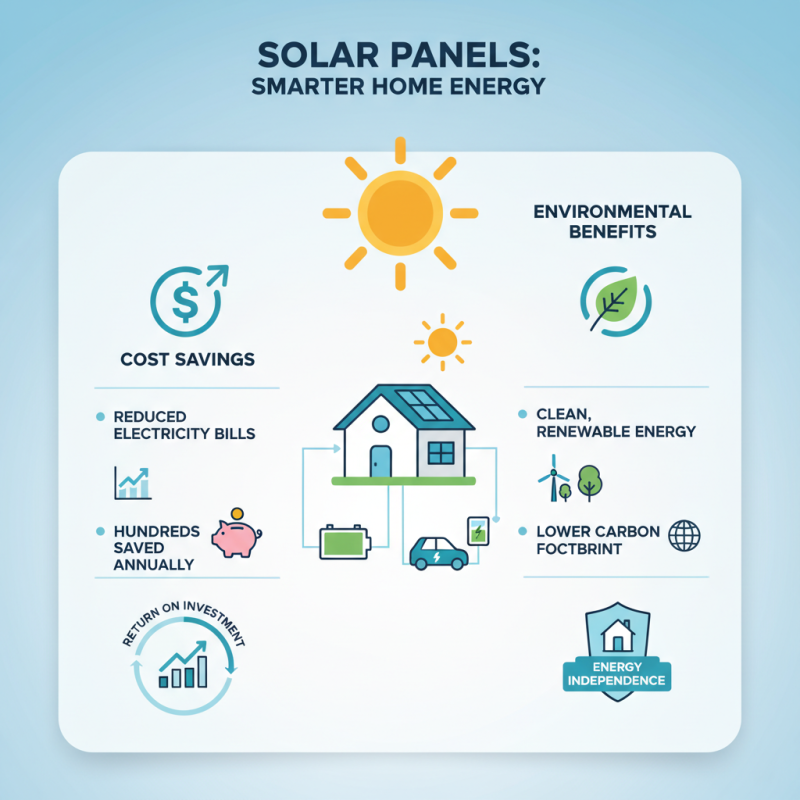
Installing solar panels on your home comes with significant advantages. One of the most compelling benefits is cost savings. By harnessing sunlight, homeowners can reduce their electricity bills substantially. In many cases, this can lead to savings of hundreds of dollars each year. Moreover, the return on investment can be quite impressive over time.
Another benefit is environmental impact. Solar energy is clean and renewable. It helps decrease reliance on fossil fuels, reducing carbon footprints. Many homeowners find this appealing, as they want to contribute positively to the planet. However, not everyone considers local climate and sunlight exposure before installation. This factor can greatly affect the effectiveness of solar panels.
Furthermore, having solar panels can increase property value. Homes with solar energy systems often attract more buyers. Nonetheless, homeowners should be prepared for maintenance challenges. Regular cleaning and occasional repairs may be necessary. Some may overlook this responsibility, leading to decreased efficiency. It's crucial to weigh these factors before making the leap into solar energy.
Analyzing Cost Savings: How Solar Energy Reduces Electricity Bills
Solar energy has become a popular choice for homeowners looking to reduce electricity bills. Installing solar panels can significantly lower monthly costs. Many families have reported savings of up to 50% on their energy expenses. This reduction can make a big difference in the family budget.
The initial investment in solar can feel overwhelming. Homeowners often question whether they will see a return on that investment. It’s crucial to consider available incentives and rebates. These financial aids can help lessen upfront costs. Sometimes, unexpected fees can arise during installation. It’s wise to get multiple quotes and understand all associated costs.
While solar offers clear cost benefits, there are maintenance considerations. Regular cleaning and monitoring are essential. Neglecting these tasks might disrupt efficiency. It's important to weigh these responsibilities against potential savings. Choosing solar energy involves both risks and rewards. Families should evaluate their specific situations before committing to this green alternative.
Analyzing Cost Savings from Solar Energy
Understanding Incentives: Tax Credits and Rebates for Solar Installations
Tax credits and rebates can significantly reduce the cost of solar installations for homes. Many regions offer financial incentives that encourage homeowners to go solar. For instance, federal tax credits can cover a percentage of the solar system’s installation cost. These credits can save thousands of dollars, making solar energy more accessible.
Rebates from local utilities may also be available. These rebates can be based on the system size or energy production capacity. Homeowners are often surprised by the sheer amount of financial support available. However, one must navigate through paperwork to claim these incentives, which can feel overwhelming.
It's important to research the specific incentives in your area. Some homeowners miss out due to lack of awareness. Engaging with local solar installers can provide valuable insights. Many installers can assist in understanding and maximizing these benefits. But, ensure to scrutinize the terms and deadlines of each incentive. Sometimes, missing a small detail can lead to forfeiting valuable savings.
Step-by-Step Guide to Installing Solar Panels on Your Home
Installing solar panels on your home can be a rewarding project. It starts with assessing your roof's condition. Make sure it can support the weight of the panels. Check for shingles that may need replacement. Next, understand your energy needs. Calculate how many panels you'll require. This will help you size your system accurately.
Once you have a plan, gather your tools. You'll need a ladder, drill, and safety gear. Begin by mounting the racking system on your roof. This will hold the panels in place. Be careful while drilling. You want a secure fit, but too much pressure can damage your roof.
Next, connect the solar panels to the inverter. This converts the generated power into a usable form. It's crucial to follow wiring diagrams closely. Mistakes here could cause inefficiencies. Take your time; rushing can lead to errors. If you're unsure, seek help from a professional. They can guide you through the more challenging aspects of the installation.
Maintenance and Longevity: Ensuring Your Solar System's Efficiency
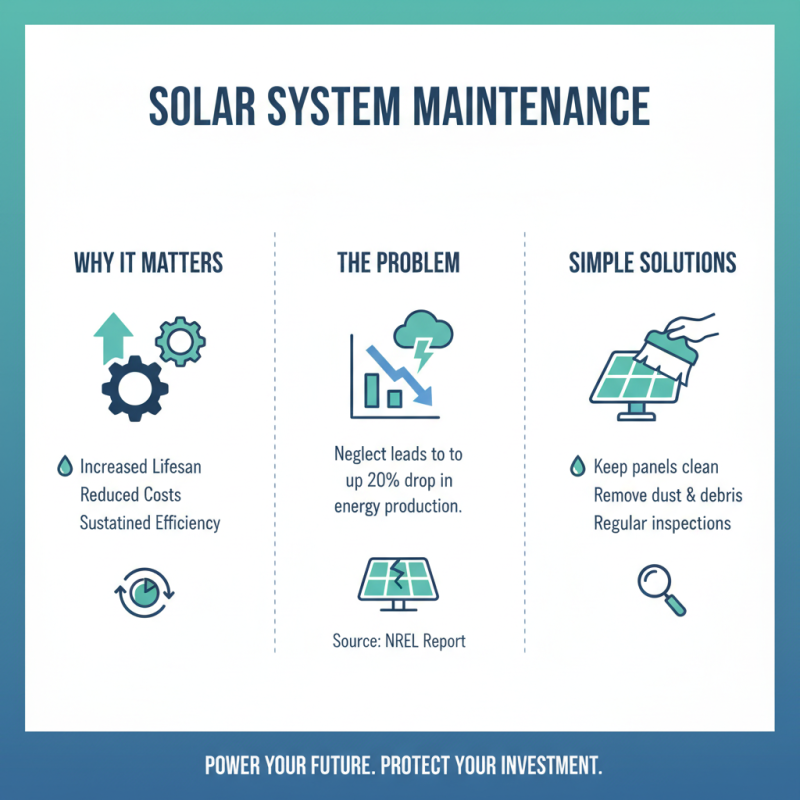
Maintaining a solar system is crucial for its long-term efficiency. Regular maintenance can increase its lifespan and reduce costs. According to a report by the National Renewable Energy Laboratory, neglecting maintenance can lead to a decline in energy production by up to 20%. Simple tasks, like keeping panels clean, are essential. Dust and debris can hinder energy absorption.
Checking the inverter regularly is also important. The inverter converts solar energy into usable electricity. If it fails, energy production stops. Many inverters last between five to ten years. Replacing them on time can prevent larger issues. It's advisable to schedule a professional inspection every few years. This can help spot problems early.
Longevity is key. Most solar panels have a lifespan of 25 years or more. However, their efficiency can drop over time. After 25 years, panels may produce about 80% of their original capacity. Regular monitoring helps in understanding performance trends. Homeowners should be prepared for fluctuations in energy output. Balancing expectations with reality is essential for a successful solar experience.