Top Tips for Choosing Off Grid Solar System Solutions?
When considering an off grid solar system, the choice can be overwhelming. John Smith, a leading expert in renewable energy solutions, once stated, “Choosing the right off grid solar system can change your life.” This quote encapsulates the power of going solar while living independently from the grid.
An off grid solar system provides numerous benefits, from reducing energy costs to promoting sustainability. However, making the right decision requires careful consideration. The market offers various products, but not all are suited for every situation. Understanding your energy needs and site specifics is crucial for optimal results.
Many forget that each system is not only a financial investment but also an emotional one. Living off the grid means embracing a lifestyle change. Potential buyers must reflect on their long-term goals and expectations. Research plays an essential role in this journey, as does seeking advice from knowledgeable professionals. With the right guidance, the transition to an off grid solar system can be smooth and rewarding.
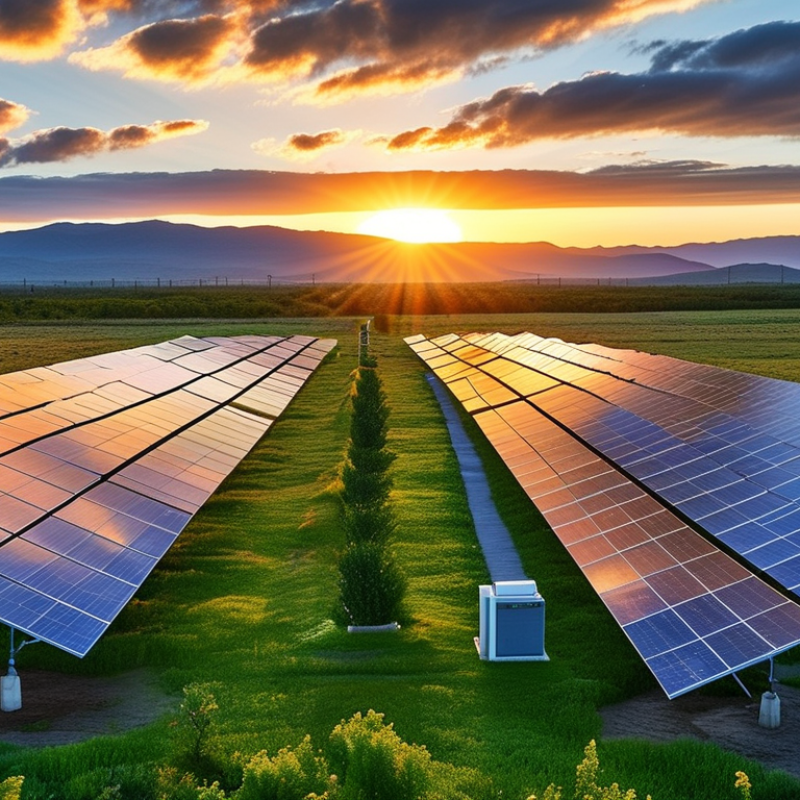
Factors to Consider When Choosing an Off Grid Solar System
Choosing the right off-grid solar system involves several important factors. First, consider your energy needs. Calculate the daily power consumption of your appliances. This helps in determining the size of the solar system required. You should also consider peak sunlight hours in your area. This data is crucial for effective energy generation.
Next, evaluate the available space for your solar panels. Roof-mounted systems require different configurations compared to ground-mounted setups. The orientation and tilt of the panels can influence efficiency. Additionally, durability and weather resistance of the components are essential. Off-grid systems need to withstand various environmental conditions.
Battery storage is another critical aspect. Assess how long you want to use electricity without sun exposure. High-quality batteries can be costly but are vital for maintaining power during low sunlight periods. Balancing efficiency and costs is key. It's also wise to review energy management strategies. Sometimes, less is more. Consider how to minimize energy consumption for a more sustainable solution.
Types of Off Grid Solar Solutions Available in the Market
When considering off-grid solar solutions, understanding the types available in the market is crucial. There are primarily three categories of off-grid solar systems: stand-alone solar systems, hybrid systems, and solar-powered generators. Stand-alone systems are self-sufficient and ideal for remote areas. They typically include solar panels, batteries, and an inverter. According to industry data, around 25% of rural homes in developing countries rely solely on such systems for their energy needs.
Hybrid systems combine solar energy with other sources, such as wind or diesel generators. This option offers flexibility and reliability, especially in areas with inconsistent sunlight. Research indicates that hybrid solutions can reduce energy costs by up to 30% compared to traditional methods. Solar-powered generators, on the other hand, are portable. They are ideal for camping or emergency power. With their ease of use, these generators are gaining popularity among outdoor enthusiasts.
Each type comes with its own advantages and challenges. Stand-alone systems can face battery energy depletion during cloudy days. Hybrid systems require careful management of energy resources. Portable generators may not supply enough power for larger appliances. Evaluating these aspects ensures a well-informed decision when choosing an off-grid solar solution.
Top Tips for Choosing Off Grid Solar System Solutions
| Type of Solar Solution |
Key Features |
Advantages |
Considerations |
| Solar Panel Kits |
Includes solar panels, inverter, and mounting hardware |
Cost-effective, scalable, easy installation |
Requires suitable roof space, potential for shading issues |
| Battery Storage Systems |
Stores excess energy for use during non-sunny periods |
Improves energy independence, reduces reliance on grid |
Initial investment cost, lifespan of batteries |
| Hybrid Systems |
Combines solar, wind, and diesel generators |
Reliable power supply, versatile energy generation |
Complex installation, higher maintenance |
| Off-Grid Inverters |
Converts DC from solar panels to AC for home appliances |
Essential for most off-grid setups, efficiency in power usage |
Selection must match system size and load requirements |
| Solar Water Pumps |
Utilizes solar energy to pump water |
Ideal for agricultural use, reduces labor costs |
Requires adequate sunlight, specific installation settings |
Evaluating Your Energy Needs for Off Grid Solar Installation
When considering an off-grid solar installation, assessing your energy needs is crucial. Start by calculating your daily energy consumption. Look at your usage habits. List essential appliances. Include lights, refrigerators, and others. Each appliance has a wattage rating, which can help determine total energy needs.
Next, consider seasonal variations. Energy requirements may shift throughout the year. For instance, heating in winter or cooling in summer can increase demand. It’s essential to estimate peak demand times. A careful review can prevent under-sizing the system. An underpowered system might lead to energy shortages.
Lastly, think about future needs. Lifestyle changes can affect energy use. Expanding your home or adding new devices can require more power. Revisit your calculations regularly to ensure the system fits your evolving demands. This reflective approach helps you achieve a sustainable and reliable energy solution.
Understanding the Components of an Off Grid Solar System
When choosing an off-grid solar system, understanding its components is crucial. An ideal setup includes solar panels, batteries, an inverter, and a charge controller. These elements work together to convert sunlight into usable electricity. According to a report by the National Renewable Energy Laboratory, a properly sized solar system can generate 1,200 to 1,800 kWh annually per kW installed, providing significant energy independence.
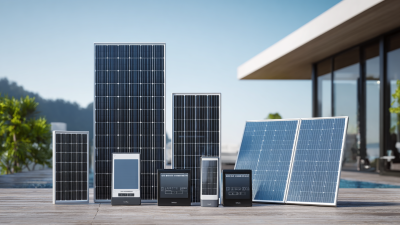
Solar panels are typically the most visible part. Selecting high-efficiency panels can maximize energy capture, even in less sunny climates. A battery system is essential for energy storage and should have a capacity that meets your energy needs. The inverter converts DC power from the batteries to AC power for household use.
Before making a decision, consider factors like energy consumption and location. Off-grid systems often face limitations, such as unpredictable weather. Regular maintenance is necessary for optimal performance. Budget for replacing components over time, as longevity varies. Investing in reputable quality over low-cost options can lead to better long-term savings.
Consider conducting a detailed energy audit to guide your selection process. Understanding usage patterns will help define the capacity needed. Issues can arise from underestimating your energy requirements. Thoughtful planning can ensure a reliable, off-grid energy solution.
Budgeting and Cost Considerations for Off Grid Solar Solutions
When budgeting for off-grid solar solutions, one must evaluate various aspects. Energy needs play a significant role in cost estimation. Calculate daily energy consumption in kilowatt-hours to determine the appropriate system size. Accurate assessments help avoid overspending or underestimating your needs.
Equipment selection is crucial. Solar panels, batteries, and inverters vary in price. High-efficiency panels cost more but can save money in the long run. Invest in reliable batteries, as they significantly impact performance. Consider the total lifecycle cost instead of just the initial purchase price. This understanding can prevent future financial strain.
Sometimes, DIY options may seem appealing, but hidden costs can emerge. Analyze your skills and resources before committing. Professional installation can be expensive but might ensure lasting results. Evaluate your capacity to maintain the system over time. Reliability is key when choosing your components.
Top Tips for Choosing Off Grid Solar System Solutions
The chart above illustrates the estimated costs involved in setting up an off-grid solar system. It breaks down the major components and their respective costs, allowing potential buyers to make informed budgeting decisions.