Top Tips for Choosing a Reliable China Safety Helmet Manufacturer?
When selecting a reliable China Safety Helmet Manufacturer, several factors must be considered. The global personal protective equipment (PPE) market is projected to reach $100 billion by 2026, underscoring the importance of quality safety helmets. According to industry studies, about 90% of head injuries in construction can be prevented with proper helmet use. The reputation of the manufacturer directly impacts this protective gear's effectiveness.
China, a leading producer of safety helmets, boasts numerous manufacturers. However, not all offer the same quality. It's crucial to assess a manufacturer’s experience and certifications. A factory's ISO certification, for example, signals adherence to international safety standards. When evaluating suppliers, seek those with proven track records and positive client testimonials.
Inconsistent product quality is a concern. Some manufacturers cut corners to reduce costs, impacting safety. Always request samples and evaluate them before placing bulk orders. Engage directly with the manufacturers when possible. This interaction can reveal insights into their production practices and commitment to safety. Finding the right China safety helmet manufacturer requires diligence, but it is essential for ensuring the safety of workers in hazardous environments.
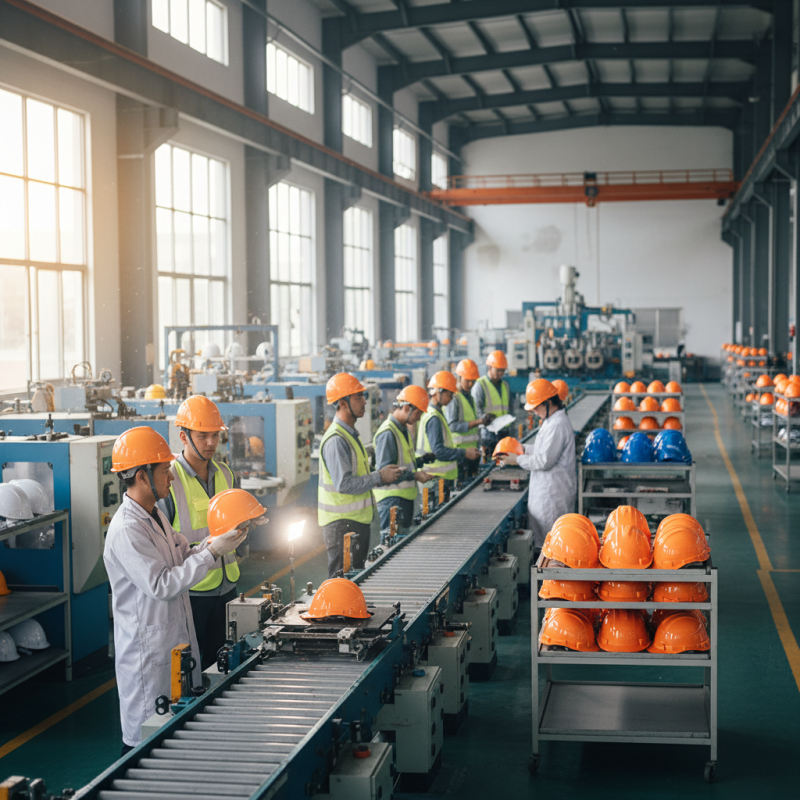
Understanding the Importance of Safety Helmets in Various Industries
Safety helmets play a crucial role in protecting workers across various industries. In construction, a hard hat can prevent serious head injuries from falling objects. Similarly, in manufacturing, helmets guard against overhead dangers and machinery hazards. Wearing appropriate safety helmets is not just a guideline; it is often a legal requirement in many countries.
However, the effectiveness of a safety helmet largely depends on its quality and reliability. In some cases, lower-quality helmets may provide insufficient protection. This poses a risk for workers. It’s vital for employers to choose helmets that meet and exceed safety standards. Checking for certifications can ensure that the helmets are reliable. Also, it’s beneficial to involve workers in the selection process, as comfort and fit are important.
Understanding how safety helmets function can also promote their usage. For example, a helmet with an inner foam liner absorbs shock. This feature is essential in preventing injuries during an impact. Additionally, some designs allow for ventilation, making them comfortable for long hours. The right helmet can mean the difference between safety and injury, making informed selection paramount.
Key Factors to Consider When Evaluating Helmet Manufacturers
When evaluating helmet manufacturers, quality assurance is paramount. A manufacturer should have certifications such as ISO 9001, which indicates effective quality management systems. Reports suggest that helmets with poor quality control increase the risk of injuries. In fact, a study by the National Institute for Occupational Safety and Health highlights that improperly made helmets can fail under impact, leading to serious accidents.
Another key factor is the manufacturer’s experience in the industry. A company with over a decade of experience tends to understand safety standards better. Expertise plays a significant role in ensuring you receive products that meet stringent regulatory requirements. In recent years, markets have seen a rise in counterfeit helmets, which further complicates the selection process. Reliable manufacturers often provide transparent information about their production processes, allowing for greater scrutiny.
Customer feedback is also critical. Reviews and testimonials shed light on a manufacturer's reliability. However, discerning genuine feedback from false reviews can be tricky. It's essential to verify that testimonials come from credible sources. Engaging with previous customers can yield insights into the product's performance and the manufacturer's responsiveness.
Always remember that the cheapest option might not guarantee safety. Investing in quality often pays off in preventing potential workplace injuries.
Assessing Manufacturer Certifications and Compliance with Safety Standards
When selecting a reliable safety helmet manufacturer in China, certifications matter greatly. Look for international safety standards like ISO and EN. These certifications indicate that the manufacturer adheres to quality processes. A compliant manufacturer prioritizes safety, which is vital for users.
Beyond certifications, check compliance with local regulations. Safety standards differ across regions. A manufacturer may have the right certifications but still fail to meet all local guidelines. It's essential to research these regulations to ensure alignment. Transparency in this area is a sign of a trustworthy manufacturer.
Another aspect to consider is the manufacturer's experience. Years of industry practice can enhance their expertise. However, not all experienced manufacturers produce high-quality helmets. Look for reviews or case studies that demonstrate their reliability. This research can help identify any gaps between perceived and actual quality.
Top Tips for Choosing a Reliable China Safety Helmet Manufacturer
| Criteria | Details | Importance |
| Certifications | ISO 9001, CE, and ANSI certifications | High |
| Production Capacity | Monthly production capacity over 10,000 units | Medium |
| Quality Control | Rigorous testing and quality assurance processes | High |
| Lead Time | Standard lead time of 30 days | Medium |
| Customer Feedback | Average rating of 4.5/5 from past clients | High |
| After-sales Service | 24/7 customer support and warranty services | Medium |
Evaluating Product Quality and Material Durability
When selecting a reliable safety helmet manufacturer in China, it is crucial to evaluate product quality and material durability. A report by the Occupational Safety and Health Administration (OSHA) indicates that helmet materials significantly impact their effectiveness during impacts. Helmets made from polycarbonate materials, for instance, tend to provide better impact resistance and weight distribution.
Look for manufacturers that conduct rigorous testing on their materials. Testing should confirm compliance with international standards, such as EN 397. Some manufacturers use outdated materials that may not provide adequate protection. A common oversight is neglecting to verify the certifications associated with these materials. Always ask about the supplier's quality assurance protocols.
Durability is also a key factor. Helmets should withstand extreme temperatures and impacts over time. Many industry experts recommend inspecting sample products before bulk ordering. It’s wise to request long-term durability test results. Some manufacturers may not have a robust system for quality control, which could affect overall safety.
Choosing a manufacturer meticulously can decrease the risk of defects. Pay attention to customer reviews and feedback. Engaging with other buyers can uncover potential red flags and reinforce your decision-making process. Safety is non-negotiable; taking the time to choose wisely is vital.
Product Quality and Material Durability Analysis of China Safety Helmets
Analyzing Customer Feedback and Industry Reputation for Manufacturers
When selecting a reliable safety helmet manufacturer in China, analyzing customer feedback is essential. A recent industry report highlighted that 70% of buyers consider reviews critical in their decision-making process. Feedback provides insight into product quality and customer service. It's important to look for trends in reviews, such as recurring complaints or praises.
Industry reputation plays a significant role, too. Manufacturers with years of experience tend to have a more established track record. According to data, companies with over ten years in the industry often receive higher trust scores. However, new entrants might surprise you with innovative designs or competitive pricing. Balancing reputation with emerging companies requires careful consideration.
Not all feedback is perfect. Some reviews may lack context or come from accounts with limited credibility. It’s vital to dig deeper and evaluate the sources. Engaging with previous customers directly can reveal unvoiced concerns. Some manufacturers might present outstanding products but fall short in after-sales support. Thus, thorough research and analysis of customer experiences are necessary when choosing a manufacturer.