2026 Top Benefits of Flexible Solar Panels for Homeowners?
As homeowners seek sustainable energy solutions, flexible solar panels emerge as a game changer. These innovative panels offer a myriad of benefits that traditional solar options can't match. They are lightweight, adaptable, and can conform to various surfaces, making them ideal for uneven rooftops and unconventional designs.
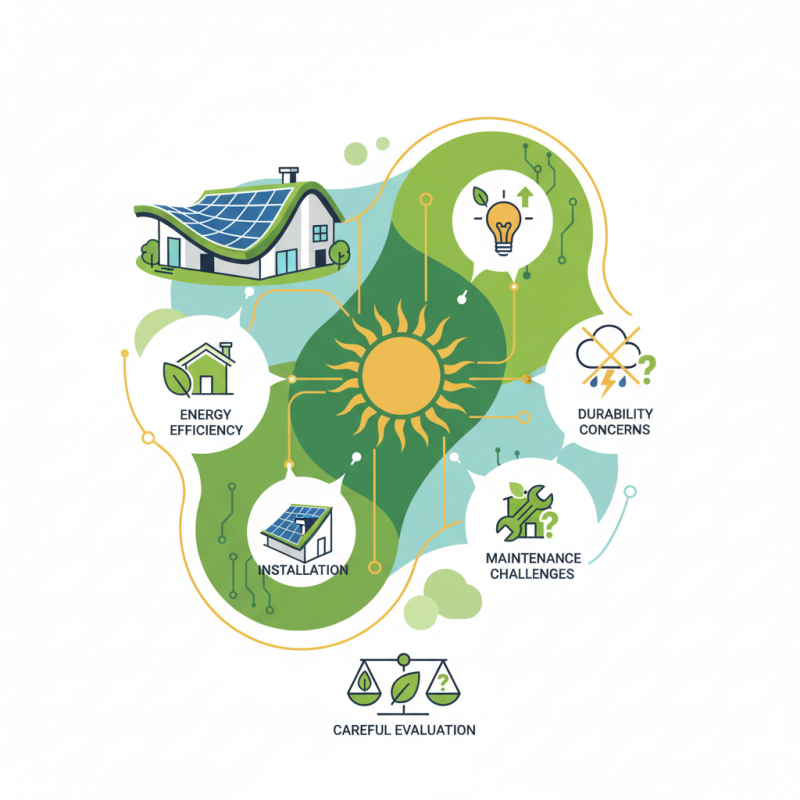
Flexible solar panels not only enhance energy efficiency but also provide aesthetic flexibility. Homeowners can install them in areas that larger panels cannot reach. This flexibility in installation opens doors to new possibilities in energy sourcing. However, while they present several advantages, it is essential to weigh the potential drawbacks.
Some may find these panels less durable under extreme weather conditions. Maintenance may also pose challenges compared to their rigid counterparts. Homeowners should consider their environment and lifestyle before making a decision. Overall, flexible solar panels represent a promising opportunity for a greener future, but they require careful evaluation.
The Concept of Flexible Solar Panels and Their Design Advantages
Flexible solar panels represent an exciting innovation in renewable energy technology. Their design allows for versatile applications, making them ideal for homeowners. Unlike traditional solar panels, these flexible models can conform to various surfaces. They can be integrated onto rooftops, awnings, or even RVs. This adaptability opens up many possibilities for maximizing energy efficiency.
The lightweight nature of flexible solar panels is another notable advantage. This makes installation easier, reducing labor costs and complexity. Homeowners can often do it themselves, avoiding hefty installation fees. However, the durability of these panels can vary, leading to potential long-term concerns. They may not withstand harsh weather conditions as well as their rigid counterparts.
Aesthetic appeal is a crucial factor for many homeowners. Flexible solar panels come in various colors and styles. This allows homeowners to maintain the visual integrity of their properties while harnessing sustainable energy. However, achieving a balance between functionality and design can be challenging. Some users might find that while they love the look, the energy output isn’t enough for their needs.
2026 Top Benefits of Flexible Solar Panels for Homeowners
| Benefit |
Description |
Potential Savings |
Durability |
| Lightweight Design |
Flexible solar panels can be installed in unconventional locations without adding excess weight. |
Up to 20% more installation options, potentially reducing installation costs. |
High durability with a lifespan of 25+ years. |
| Aesthetic Appeal |
Sleek and modern design that blends better with architectural styles. |
Increased home value due to enhanced visual appeal. |
Resistant to harsh weather conditions. |
| Versatility |
Can be installed on a variety of surfaces, including roofs, RVs, and boats. |
Potentially savings on multiple installations across different applications. |
Long-lasting performance in diverse environments. |
| Easy Installation |
Flexible panels are generally easier to handle and install, reducing labor costs. |
Labor cost savings of 10-30%. |
Resilient against peeling and damage during installation. |
| Higher Efficiency in Shade |
Flexibility allows optimal positioning to capture sunlight even in shaded areas. |
Up to 30% more energy generation in partial shading conditions. |
Durable materials ensure performance despite environmental factors. |
Key Benefits of Flexible Solar Panels for Homeowners in 2026
In 2026, flexible solar panels are transforming the solar energy landscape for homeowners. These panels can be installed on various surfaces, including curved rooftops and even walls. Their lightweight design simplifies the installation process, reducing time and costs. Homeowners appreciate their adaptability, allowing for creative placements that traditional panels cannot offer.
One standout benefit is their enhanced efficiency in less-than-ideal conditions. Flexible panels can harness sunlight effectively, even on cloudy days. However, they sometimes fall short of the performance levels seen in rigid models. Homeowners need to consider specific placement and angle for optimal energy capture. Additionally, while these panels are often more portable, their durability may require closer attention during harsh weather.
Flexibility does pose challenges; careful installation is key. Potential buyers must weigh the pros and cons carefully before deciding. Knowing their limits is essential in maximizing benefits. In a world moving towards renewable energy, flexible solar panels offer promising solutions for eco-conscious homeowners. Yet, a thoughtful approach is necessary to ensure long-term satisfaction and efficiency.
Cost-Effectiveness and Energy Savings with Flexible Solar Solutions
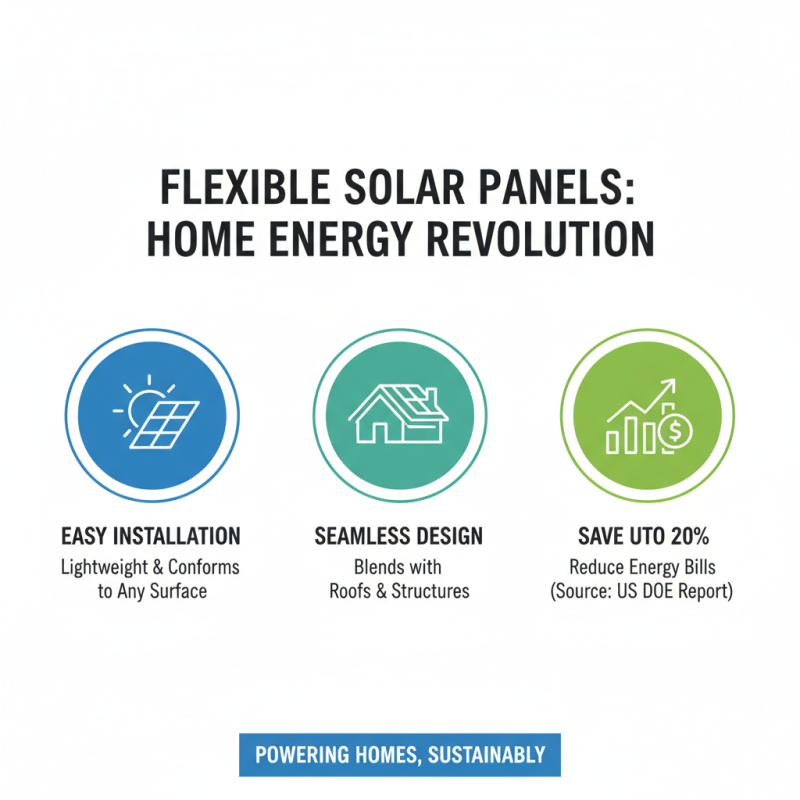
Flexible solar panels are transforming the energy landscape for homeowners. Their lightweight design allows easy installation on various surfaces. In addition, they blend seamlessly with roofs and other structures. A recent report from the U.S. Department of Energy found that flexible solar solutions can save homeowners up to 20% on energy bills. This is significant, especially as energy costs rise.
Cost-effectiveness is a major reason for their growing popularity. Homeowners often invest thousands in traditional solar systems. However, flexible solar panels require less installation time and fewer materials. According to a study by the Solar Energy Industries Association, overall installation costs can be reduced by approximately 15-20%. These savings make them a viable option for many budgets.
Yet, there are drawbacks to consider. The efficiency of flexible panels can sometimes fall short of rigid installations. Users must weigh these factors based on their specific needs. Flexibility allows for more creative installation methods but can also lead to complex decisions. As the market evolves, ongoing research will be crucial to address these concerns.
Installation Flexibility: Adapting to Various Home Designs and Spaces
Flexible solar panels are a game changer for homeowners. They can adapt to various home designs and roof shapes. According to a report by the National Renewable Energy Laboratory, these panels can be installed on curved or unconventional surfaces. This makes them suitable for modern architecture and homes with limited roof space.
Many homeowners struggle with traditional solar panels. Their rigid structures can be bulky. This often limits where they can be installed. Flexible solar panels, however, reduce that concern. They weigh less, making installation safer and easier. This is crucial when dealing with fragile roofs or stacking panels in tight areas.
Installation doesn’t always go smoothly. Flexibility can sometimes lead to misalignment if not carefully managed. This requires skilled professionals. Homeowners must also consider shading from nearby trees or buildings. A detailed assessment is essential before making the switch, ensuring optimal energy capture. Overall, flexible solar panels offer unique benefits, but they also present challenges that need thoughtful consideration.
2026 Top Benefits of Flexible Solar Panels for Homeowners
This chart illustrates the top benefits of flexible solar panels for homeowners in 2026, highlighting key advantages such as installation flexibility, efficiency, cost savings, and aesthetic appeal.
Environmental Impact: Renewable Energy Contributions of Flexible Panels
Flexible solar panels offer significant environmental benefits for homeowners. These panels adapt well to various surfaces, making them versatile. They harness renewable energy and reduce dependence on fossil fuels. This transition is vital to combat climate change. Using flexible panels can lower your carbon footprint, contributing positively to the environment.
Consider positioning your panels for maximum sunlight exposure. Trees or buildings can cast shadows, affecting efficiency. It's important to regularly clean the panels, ensuring they operate at peak performance. Monitoring energy production can reveal potential issues.
Investing in flexible solar solutions may seem costly. Homeowners should reflect on their energy needs. The initial expenses can lead to long-term savings on electricity bills. Many find satisfaction in using green technology, as it aligns with eco-friendly values.