Top 10 Solar Power System Benefits for Global Buyers?
As the world shifts towards sustainability, the solar power system emerges as a game-changer. Its adoption has seen a significant rise globally. This shift is driven by both economic and environmental factors.
Many buyers appreciate the long-term savings associated with using solar energy. Moreover, the benefits of reducing carbon footprints resonate with eco-conscious consumers. Solar power systems offer energy independence from traditional energy sources. People are increasingly aware of the fluctuations in energy prices. In this context, solar power systems provide a stable alternative.
However, while the advantages are notable, there are challenges. Some buyers struggle with the initial investment costs. Furthermore, not every location is ideal for solar energy production. These considerations highlight the need for thorough research and expert advice. Despite its imperfections, the solar power system remains a vital part of the global energy revolution.
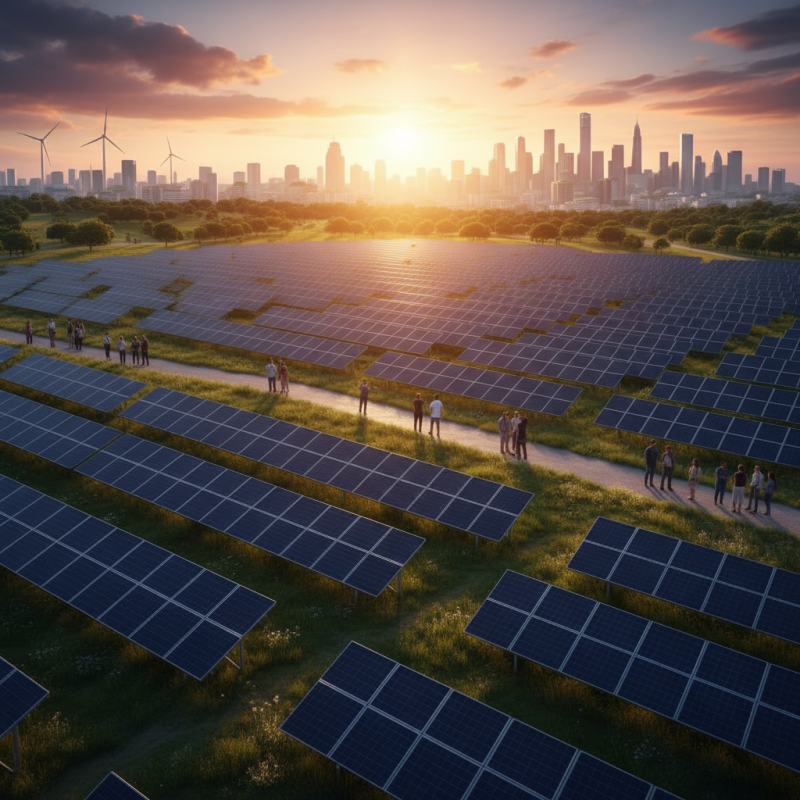
Key Advantages of Solar Power Systems for Global Consumers
Solar power systems offer numerous benefits for global consumers. One major advantage is the significant reduction in energy bills. By harnessing sunlight, homeowners can produce their own electricity and save on utility costs. This often results in substantial financial savings over time. Additionally, areas with plenty of sunlight can benefit even more, making solar energy a practical choice in many locales.
Investing in solar power also enhances energy independence. Consumers are less reliant on fossil fuels and can contribute to a more sustainable future. However, some may face initial upfront costs, which can be daunting. It’s important to consider long-term savings outweigh these initial investments.
For those new to solar energy, here are some tips: research local incentives for solar installation. Many regions offer tax credits or rebates. Also, assess your home’s solar potential by evaluating roof orientation and shading. Engaging a professional can provide valuable insights. Remember, choosing the right system is crucial for maximizing benefits and ensuring reliability.
Economic Savings Through Solar Energy Adoption
Economic savings from solar energy adoption are becoming increasingly vital for global buyers. Many households and businesses experience lower electricity bills after switching to solar power. By harnessing sunlight, users can generate their own energy. This often leads to reduced dependency on grid power. Consequently, buyers can see meaningful savings over time.
A key aspect of the economic benefits is the potential for government incentives. Various regions offer tax credits or rebates for solar installations. These can significantly lower initial costs for buyers. Moreover, some regions report that solar panels can increase property values. This reflects a growing appreciation for renewable energy solutions in real estate markets. However, buyers must consider installation and maintenance costs. While these can be substantial, the long-term savings often outweigh the upfront expenses.
There are challenges to keep in mind. The efficiency of solar panels can vary based on geographic location and weather conditions. Additionally, the initial investment may seem daunting for some. Yet, as technology advances, prices continue to drop, making solar energy more accessible. Assessing local resources and opportunities is essential for maximizing financial benefits.
Top 10 Solar Power System Benefits for Global Buyers
This chart illustrates the top ten benefits of solar power systems as rated by global buyers. Key advantages such as economic savings and environmental impact highlight the growing preference for solar energy adoption worldwide.
Environmental Impact Reduction and Sustainability Benefits
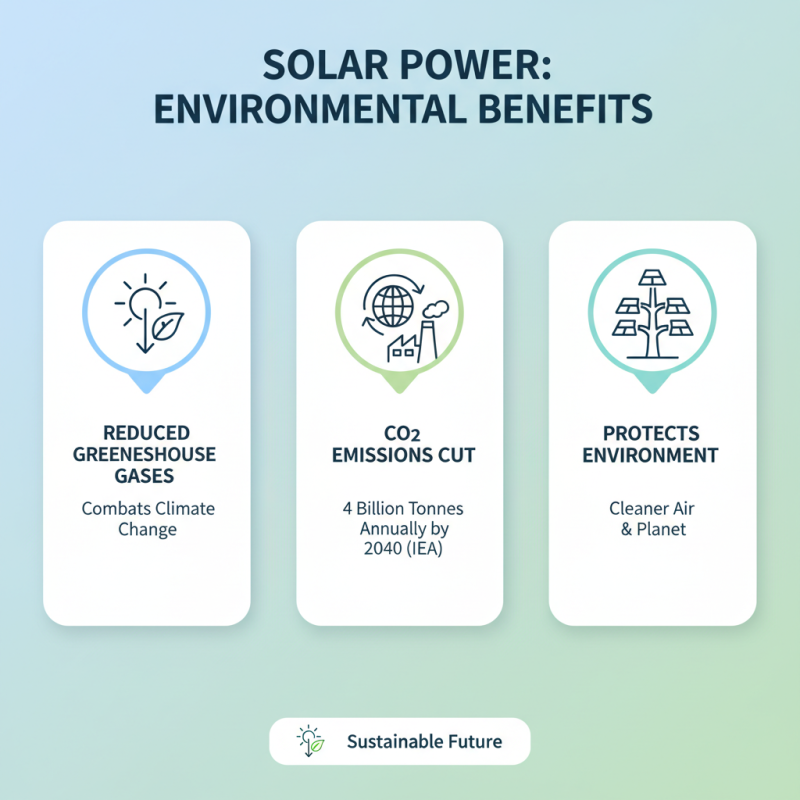
As global awareness of climate change grows, solar power systems are emerging as viable solutions. One compelling benefit is their potential to significantly reduce greenhouse gas emissions. According to the International Energy Agency (IEA), solar energy could reduce CO2 emissions by over 4 billion tonnes annually by 2040. This reduction can play a crucial role in combating climate change and protecting the environment.
Moreover, solar energy promotes sustainability. By harnessing sunlight, we rely less on fossil fuels. A study by the National Renewable Energy Laboratory (NREL) found that a transition to solar could increase renewable energy's share to 30% by 2030. This shift fosters a cleaner energy infrastructure and supports energy independence. However, while solar systems can reduce environmental footprints, the manufacturing process for solar panels can also have environmental impacts.
It is essential to consider the entire lifecycle of solar technology. Additionally, as solar energy adoption increases, challenges like energy storage and grid integration must be addressed. Striving for effective end-to-end sustainability in solar practices is necessary. Emphasizing these considerations helps ensure that solar energy remains a cornerstone of a sustainable future.
Energy Independence and Security for Households and Businesses
Energy independence and security are crucial for both households and businesses.
Solar power systems offer significant benefits in this regard. By generating your own electricity,
you reduce reliance on the grid. This is particularly important during times of high demand or power outages.
Many people find peace of mind in knowing they can power their homes independently.
Investing in solar energy can also stabilize costs. Traditional energy prices fluctuate due to market conditions.
In contrast, solar energy is often more predictable. Homeowners and businesses can anticipate their energy expenses with greater accuracy.
This can help in budgeting and financial planning. However, potential buyers must consider installation costs and maintenance.
While solar power has long-term savings, upfront costs can be daunting.
Transitioning to solar can also have unexpected challenges. Not all homes are suited for solar panels.
Roof orientation and shading can impact efficiency. It’s crucial to assess these factors before making a decision.
Despite these challenges, the overall advantages of solar energy are compelling.
Many buyers report increased satisfaction and a sense of empowerment.
This reflects a growing desire for sustainable energy solutions in our daily lives.
Technological Innovations Driving Solar Power Efficiency and Accessibility
Technological innovations are transforming solar power systems.
New materials improve solar panel efficiency. Enhanced photovoltaic cells capture more sunlight, generating increased energy output.
This means more homes can use solar energy effectively. Smaller, lighter solar panels are also easier to install.
Advances in manufacturing reduce costs, making solar more accessible.
Battery storage technology is evolving rapidly. Homeowners can store excess energy for later use.
Improved batteries have longer lifespans and faster charging times. This makes solar energy reliable, even when the sun isn’t shining.
However, some users still struggle with battery disposal issues.
It raises concerns about environmental impact.
Smart technologies are integrating with solar systems. IoT devices enable real-time monitoring of energy production and consumption.
Users can optimize their energy usage, reducing waste. Yet, reliance on smart tech has its downsides.
Cybersecurity threats are a real concern. This highlights the importance of robust protection for solar users.