Top 10 Eco Electric Bikes for Sustainable Travel Choices?
As the world shifts toward sustainable travel solutions, the demand for Eco Electric Bikes is soaring. According to a recent report by the International Bicycle Fund, electric bike sales have surged by over 50% in the last three years. This shift highlights a growing preference for eco-friendly transportation methods. Industry expert Dr. Helen Choi states, "The rise of Eco Electric Bikes is not just a trend; it is a revolution in personal mobility."
Consumers are increasingly aware of the environmental impact of their transportation choices. Eco Electric Bikes provide a practical solution. They reduce carbon footprints while promoting healthier lifestyles. In urban areas, these bikes help alleviate traffic congestion and pollution. However, challenges remain. The availability of charging stations and initial costs can deter potential buyers.
Understanding the landscape of Eco Electric Bikes is essential. Various models cater to different needs, from daily commuting to recreational use. It is vital to consider factors like battery life, design, and weight for optimal choice. As we explore the top 10 Eco Electric Bikes, it’s crucial to reflect on these considerations to make informed decisions. Sustainable travel requires both innovation and a commitment to responsible choices.
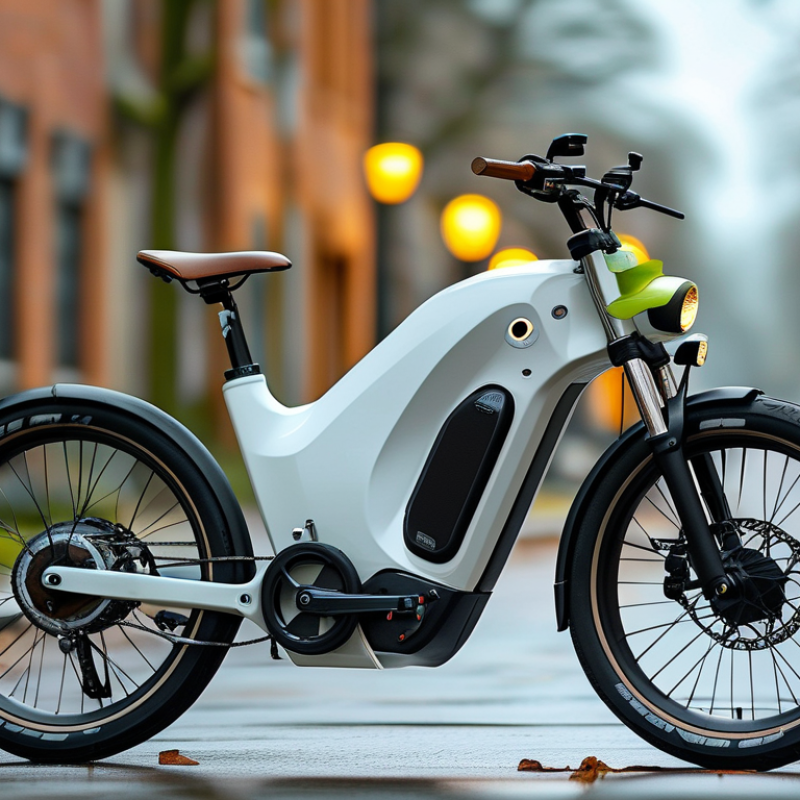
The Importance of Eco Electric Bikes in Sustainable Travel
Eco electric bikes play a vital role in promoting sustainable travel. They reduce reliance on fossil fuels. These bikes emit zero tailpipe emissions, significantly lowering air pollution. By choosing electric bikes, individuals can contribute to cleaner urban environments. This choice encourages a shift towards greener transportation options.
Despite their benefits, eco electric bikes are not without challenges. Battery production raises environmental concerns. The manufacturing process can lead to resource depletion. Additionally, charging infrastructure may be inadequate in some regions. This can limit accessibility for potential users. However, the positive impact on urban mobility cannot be ignored.
Adopting electric bikes can foster healthier lifestyles. They provide excellent cardiovascular benefits while cutting down on vehicular traffic. Commuters often find cycling less stressful than driving. In the long run, eco electric bikes could reshape how we think about travel. Shifting perspectives towards sustainable options remains crucial for future generations.
Criteria for Selecting the Best Eco Electric Bikes
When selecting the best eco electric bikes, several criteria stand out. First, consider battery efficiency. A good bike should have a long-lasting battery to support extended travels. Look for models that offer at least 40 miles per charge. This range ensures you can explore without frequent recharging.
Next, focus on the bike's weight and frame design. Lighter bikes are easier to ride and transport. A well-designed frame enhances stability and comfort. Pay attention to the type of materials used; high-quality materials improve durability while being eco-friendly.
Tips: Always test the bike before purchasing. Take it for a short ride to find the right fit. Check the suspension while riding over potholes. It should absorb shocks effectively. Don’t overlook the importance of maintenance. Regular checks will keep your bike in top condition. In the end, not all bikes are perfect. Some may lack features you desire, like built-in lights or a sturdy lock. Reflect on what matters most to you in your eco-friendly journey.
Top Picks for Eco Electric Bikes in 2023
As the demand for eco-friendly travel options increases, electric bikes are becoming a popular choice in 2023. A recent report indicates that the global electric bike market was valued at over $21 billion in 2022 and is expected to grow by 9.5% annually. This growth reflects a shift in consumer preferences toward sustainable transportation.
Many riders are drawn to electric bikes due to their efficiency and minimal carbon footprint. Data shows that electric bikes can reduce emissions by as much as 30%, especially when replacing car trips. This change in habits is significant. More individuals are choosing e-bikes for daily commutes and leisure rides. However, the challenge remains for manufacturers to ensure that their production processes and battery disposal methods also align with sustainable practices.
Reports indicate that not all electric bikes are created equal. Variations in battery life, weight, and power can affect overall performance and user experience. Without proper research, buyers may overlook key factors. Additionally, the cycling community must advocate for better infrastructure to support electric bikes. Poor cycling lanes and safety concerns can deter potential users, complicating the transition to greener travel choices.
Features to Consider in Eco Electric Bike Models
When considering an eco electric bike for sustainable travel, several features matter. Battery capacity is crucial. A larger battery provides longer rides before needing a recharge. Look for models that offer at least 400Wh for good performance. Motor power is another key factor. A 250W motor is typically adequate for city biking, but a more powerful motor may suit hilly terrains better.
Weight plays a vital role too. Lightweight bikes are easier to handle and transport. Check the frame material. Aluminum is common and offers a good strength-to-weight ratio. Some users prefer carbon fiber for even lighter options, but this can be more expensive. Don’t overlook comfort features. An adjustable seat and handlebars can enhance your riding experience, especially on longer trips.
Tips: Consider test riding before purchasing. Each bike feels different. Pay attention to how it handles and fits your body. Also, think about storage. Many eco electric bikes come with integrated racks or bags that can make trips more convenient. Lastly, research local charging options. It’s essential to know where you can charge your bike while on the go.
The Environmental Impact of Using Eco Electric Bikes
Eco electric bikes are changing the way we think about transportation. They offer a sustainable alternative to cars. By using electric bikes, we can significantly reduce our carbon footprint. Bikes consume less energy than cars and contribute to cleaner air.
The production of electric bikes does have an environmental cost. Manufacturing batteries can create pollution. However, when compared to cars, the overall impact is still less harmful. Each ride on an electric bike reduces greenhouse gas emissions. It’s a small step toward a larger goal. Communities can benefit from improved air quality and reduced traffic congestion.
Relying on electric bikes requires careful planning. Not all areas are cycle-friendly. Infrastructure needs improvement. As more people choose electric bikes, cities will likely adapt. This trajectory presents both challenges and opportunities. It urges us to rethink urban mobility. By embracing eco electric bikes, we take a step toward a more sustainable future.