2026 Top Safety Shoes for Global Buyers What to Look For?
When it comes to work environments, safety is paramount. Safety Shoes play a crucial role in protecting workers. Whether in construction, manufacturing, or other industries, these shoes provide essential support and safety features.
As global buyers consider their options for 2026, they need to focus on key factors when choosing safety shoes. Comfort, durability, and compliance with safety standards are critical. Potential buyers should examine materials carefully. Lightweight composites may enhance comfort, but might lack protection. Conversely, heavy-duty steel toe options offer safety, but can be cumbersome.
In a world filled with choices, it can be overwhelming to select the best safety shoes. Brands often claim superiority, making it hard to discern genuine quality. Authentic user reviews and industry standards can guide buyers, but always verify claims. Understanding these elements ensures that the footwear not only meets safety requirements but also provides comfort for long hours on the job. A failure to consider these aspects could lead to discomfort or even injury.
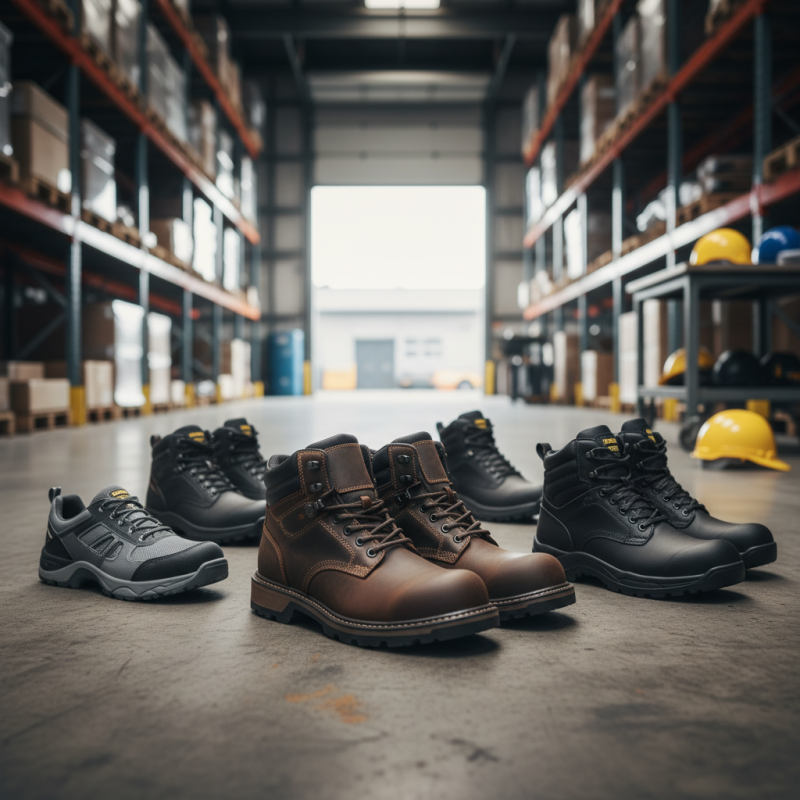
Choosing the Right Material for Safety Shoes in 2026
When selecting safety shoes in 2026, the choice of material is crucial. Various materials offer different levels of protection and comfort. Reports indicate that over 70% of foot injuries in workplaces are due to inadequate footwear. This statistic underscores the importance of choosing the right material for safety shoes.
Leather is a traditional choice, known for its durability and resistance to abrasions. Yet, it can be heavy and less breathable. Conversely, synthetic materials are gaining traction. They often provide lighter weight and increased flexibility. A study by the Footwear Industry Research Association noted that shoes made from breathable synthetics reduce foot fatigue by 25%.
Some companies are exploring composite materials, which offer high impact protection without added weight. However, the blend of comfort and protection remains a challenge. This evolution in material choice reflects a growing awareness of workplace safety needs. Buyers must prioritize not just style but also the practical aspects of materials. Footwear should align with industry standards while considering the unique hazards present in different environments.
2026 Top Safety Shoes for Global Buyers - What to Look For?
| Material | Durability | Slip Resistance | Weight | Breathability |
| Leather | High | Good | Medium | Low |
| Synthetic | Medium | Excellent | Lightweight | High |
| Rubber | High | Good | Heavy | Medium |
| Mesh | Low | Fair | Lightweight | Excellent |
| Nylon | Medium | Good | Lightweight | High |
Key Safety Features to Consider in Safety Footwear
When selecting safety footwear, key features play a pivotal role. A report from the Occupational Safety and Health Administration indicates that around 70% of workplace foot injuries can be prevented with proper footwear. This statistic highlights the necessity of understanding safety standards. Focus on toe protection, as steel or composite toe caps can significantly reduce injury risk.
Slip resistance is another vital factor. According to a survey by the National Safety Council, approximately 25% of workplace slips and falls occur due to poor footwear. Look for soles with specific tread patterns designed to handle various conditions. These can help prevent accidents on wette or uneven surfaces.
Comfort is not just about fit; it influences productivity. A study in the Journal of Safety Research shows that uncomfortable safety shoes can reduce focus by up to 30%. Workers may prioritize comfort over safety features if they are burdened by their footwear. Therefore, ensuring a balance between safety and comfort is essential. While this might seem straightforward, it often requires reflecting on individual needs, as no shoe fits all.
Evaluating Comfort and Fit for Long-Term Wear
When selecting safety shoes, comfort and fit are paramount. Ill-fitting shoes can cause blisters and discomfort, leading to reduced productivity. A snug yet comfortable fit allows for all-day wear without pain. It's crucial to choose shoes that accommodate your foot shape. Look for pairs with adjustable features, such as laces or straps. This flexibility helps adapt to your foot's natural contours.
Consider the materials used in construction. Breathable materials are essential for ventilation, especially during long shifts. Shoes with cushioned insoles can provide added comfort and reduce fatigue. Pay attention to weight, too; heavy shoes can hinder movement, while lightweight options support agility.
Despite all precautions, discomfort may still occur. It's worth investing time in trying various sizes and styles. Take breaks to assess how the shoes feel throughout the day. Reflecting on your experience will guide you to make better choices in the future. Proper footwear is not just about safety; it’s about maintaining well-being during work hours.
2026 Top Safety Shoes Evaluation
This chart presents an evaluation of the top safety shoes based on various parameters such as comfort, fit, durability, and price. Each category is rated on a scale from 1 to 10, providing a comprehensive overview for global buyers looking for the best options in safety footwear.
Exploring Styles and Designs for Different Work Environments
In various work environments, the right safety shoes can make a significant difference. Different jobs require specific footwear styles and designs. For instance, construction sites typically demand shoes with reinforced toes and slip-resistant soles. These features enhance protection against heavy objects and help prevent slips.
In an industrial setting, a low-cut design may offer better mobility. However, it might not provide the ankle support needed for specific roles. When choosing shoes, pay attention to the material. Breathable fabrics will help keep feet dry in hot environments. Conversely, waterproof options are essential for those working in wet conditions.
It’s vital to reflect on personal comfort. A shoe may look sturdy but could be uncomfortable over long hours. Consider testing shoes in real-world conditions before making a decision. Ultimately, every work environment poses unique challenges, and selecting appropriate footwear is key to ensuring safety and comfort on the job.
Understanding Safety Standards and Certifications for Global Markets
When selecting safety shoes for global markets, understanding safety standards is crucial. Different countries have specific requirements for safety footwear. For example, in Europe, EN ISO 20345 sets the baseline for protective footwear, specifying features like toe protection and slip resistance. Adhering to these standards ensures a shoe can withstand workplace hazards.
Certification plays a significant role in verifying quality and reliability. Buyers should look for markings such as the ASTM in the United States and CSA in Canada. These certifications indicate that the shoes have undergone rigorous testing. However, not all products marketed as 'safety shoes' will meet these essential criteria. A lack of certification can be misleading.
It's also important to consider the intended work environment. A shoe suitable for construction may not be ideal for manufacturing. Sometimes, a design may look appealing but fails to protect effectively against specific hazards. This discrepancy highlights the need for careful evaluation. Balancing aesthetics with safety functionality can be a challenge in the global market.