Top Solar MPPT Controller Features for 2026 What to Consider?
In the rapidly evolving solar energy sector, the Solar MPPT controller plays a crucial role. By optimizing energy harvest from solar panels, it enhances system efficiency significantly. As we approach 2026, understanding the top features of these controllers becomes essential.
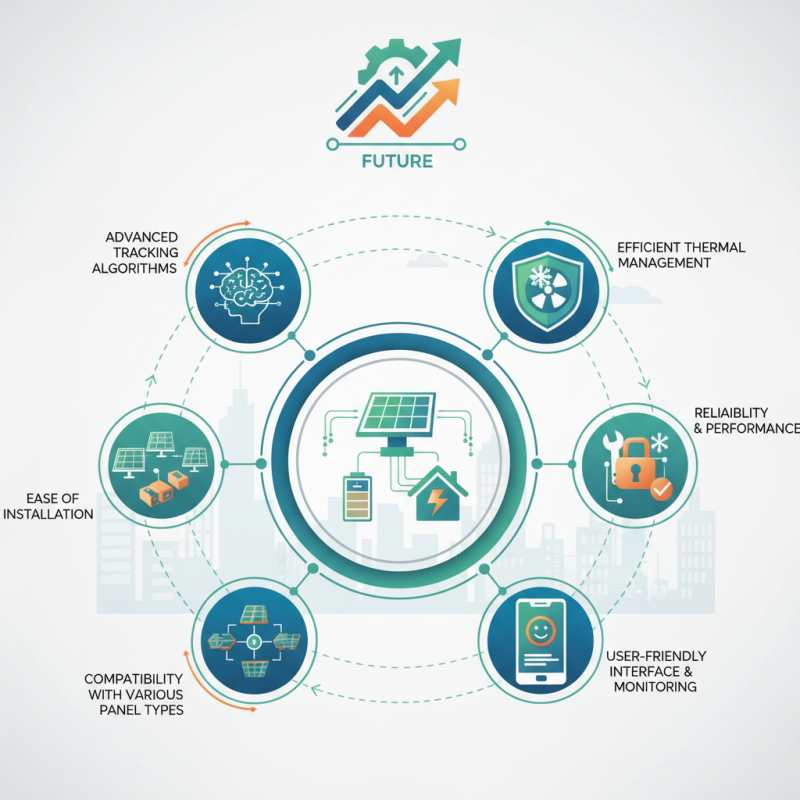
From advanced tracking algorithms to user-friendly interfaces, potential buyers must consider several aspects. For instance, compatibility with various solar panel types can make a big difference in performance. Additionally, efficient thermal management can extend the lifespan of the controller. However, not every product meets expectations. Some features may overpromise but underdeliver.
Moreover, it's important to reflect on the user experience. Ease of installation and monitoring can impact long-term satisfaction. An effective Solar MPPT controller should balance between high technology and user accessibility. As we explore the best options for the future, awareness of these elements is crucial for informed decisions.
Key Features of Solar MPPT Controllers for 2026
As we look ahead to 2026, several key features of solar MPPT controllers stand out. Efficiency is paramount. A good controller should maximize the solar energy captured. Look for models that boast high conversion rates. This ensures more energy is usable, which ultimately saves on costs.
It’s also crucial to consider compatibility. Solar systems can vary widely in components. Ensure your MPPT controller works seamlessly with your solar panels and batteries. Mismatches can lead to inefficiencies or even system failure, which is a frustrating setback.
Tips: Always check the specifications before purchase. Don’t overlook customer reviews; they provide valuable insights into real-world performance. Keep an eye on evolving technology too. Features like remote monitoring and smart load management are becoming common and should be part of your consideration. Remember, the most advanced feature isn’t always the best one for your needs. Sometimes, simplicity in design leads to greater reliability.
Top Solar MPPT Controller Features for 2026 What to Consider?
| Feature | Description | Benefits |
| High Efficiency | MPPT controllers with efficiency ratings above 98% | Maximizes energy harvest from solar panels |
| Advanced Monitoring | Real-time performance tracking via mobile apps | Easier to manage energy production and consumption |
| Multiple MPPT Tracking | Supports multiple tracking algorithms for optimal performance | Increased energy yield under varying climatic conditions |
| Built-in Protection Mechanisms | Overload, over-voltage, and short-circuit protection | Enhanced system longevity and safety |
| High Voltage Input Range | Can handle input voltages up to 150V | Suitable for large scale solar installations |
| Easy Installation | User-friendly design with clear instructions | Saves time and reduces installation costs |
Efficiency Ratings: What to Look for in MPPT Performance
When selecting a solar MPPT controller, efficiency is a critical factor. Look for controllers with an efficiency rating above 95%. Reports indicate that the average efficiency of leading controllers ranges from 93% to 98%. Higher efficiency translates to better energy conversion, resulting in more power for your system.
Consider the temperature coefficient as well. Efficient MPPT controllers maintain performance in high temperatures. The best models have a temperature coefficient around -0.3% per °C. This feature helps ensure stable operation under varying thermal conditions.
**Tips:** Regularly check the controller's firmware updates. They can improve efficiency over time. Also, consider models with built-in safety features. These can protect your system from surges and boosts in voltage. Investing in these features can lead to long-term benefits, although it may increase the initial cost.
Energy loss is something to ponder. Even a small drop in efficiency can significantly impact performance when scaled over time. Track your system’s performance regularly. Take note of any inconsistencies. Adjustments may be necessary to optimize the setup effectively.
Top Solar MPPT Controller Efficiency Ratings for 2026
Integration with Smart Home Technology in 2026
In 2026, integrating solar MPPT controllers with smart home technology will become a necessity. The market has been shifting rapidly, with forecasts suggesting that the smart home tech industry will grow to $135 billion by 2025. This trend emphasizes the need for MPPT controllers that can seamlessly connect with various smart home devices. Compatibility with home energy management systems is crucial. Without it, users may face challenges in optimizing energy consumption.
Reports indicate that 40% of homeowners are now prioritizing energy efficiency. This sector requires devices that can provide real-time data. A well-integrated MPPT controller should monitor energy produced and used daily. However, many systems lag in offering intuitive interfaces. When homeowners cannot access data easily, their efficiency gains stagnate. Observations show that fewer than 25% of current devices support advanced integrations.
Moreover, security remains a pressing concern. As smart devices proliferate, potential vulnerabilities increase. Users are often unaware of the risks linked to IoT connections, such as data breaches. It's essential for manufacturers to ensure robust security features. However, often, security is treated as a secondary consideration, which leads to anxiety among users. Efficient integration must also focus on user education. Many users feel lost navigating new systems. Better guidance is needed to enhance overall user confidence.
Durability and Weather Resistance: Essential MPPT Qualities
When selecting a solar MPPT controller, durability and weather resistance are critical factors. These controllers often face harsh conditions, including extreme temperatures and humidity. A report from the Solar Energy Industries Association indicates that about 30% of failures in solar systems are due to environmental stress. This statistic underscores the need for robust construction.
Look for controllers constructed from high-quality materials. Corrosion-resistant enclosures can significantly extend the lifespan. Additionally, IP67 or higher ratings ensure protection against dust and water. The right specifications are crucial for performance. Even a small design flaw can lead to system failures. Industry data suggest that reliable weather resistance can improve efficiency by as much as 15% over time.
Testing for durability is equally important. Controllers should undergo rigorous stress tests that replicate real-world conditions. However, not all products are standardized in this area. Variations in manufacturing processes lead to inconsistencies in quality. Transparency in testing procedures can aid informed decisions.
User-Friendly Interfaces and Monitoring Capabilities in 2026
In 2026, user-friendly interfaces for solar MPPT controllers are vital. Users expect simplicity and ease of use. A clear display with intuitive navigation can make a huge difference. Color-coded menus and easy icons enhance the user experience. These features attract both seasoned users and newcomers alike.
Monitoring capabilities are essential for optimal performance. Real-time data on voltage, current, and energy production is crucial. Users appreciate detailed graphs and historical data. A responsive app can provide remote access. However, not all apps are created equal. Some may lack vital features or content clarity.
A feedback mechanism is important for improvement. Users often encounter issues that aren’t addressed. Controllers need to evolve based on user experiences. Regular updates and community input can enhance software. Striving for better usability is a continuous journey that shouldn't be overlooked.