Top 10 Wheel Repair Lathe Machines for Your Business Needs?
In the automotive industry, a reliable wheel repair lathe machine is essential. These machines are crucial for restoring damaged wheels, enhancing safety, and maintaining performance. Selecting the right lathe can significantly impact your business's efficiency and profitability.
The market offers various options, each with its unique features and benefits. Investing in a quality wheel repair lathe machine can streamline operations. However, choosing one requires careful consideration of your specific business needs. Some machines may excel in certain repairs, while others might lack versatility. It's vital to assess these factors thoroughly.
Furthermore, every business could face challenges with equipment reliability. A machine that seems perfect on paper may not perform as expected in real-world scenarios. Understanding the nuances of each lathe can lead to better purchasing decisions. The goal is to find a balance between capability and practicality, ensuring the lathe meets customer demands effectively.
Understanding Wheel Repair Lathe Machines and Their Importance
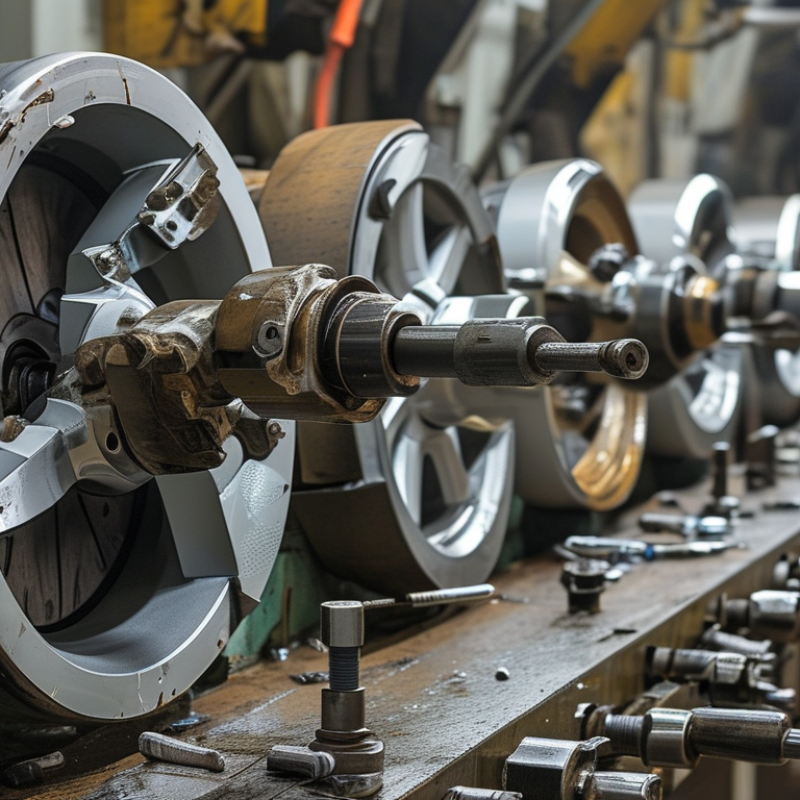
Wheel repair lathe machines play a crucial role in the automotive industry. These machines allow for the precise and efficient restoration of damaged wheels. When wheels are bent or cracked, they can compromise vehicle safety and performance. A good lathe machine enables technicians to reshape the wheel to its original specifications, ensuring balance and strength. This process is essential for maintaining vehicle integrity.
Understanding the importance of wheel repair lathes is critical for automotive businesses. Many garages lack the necessary equipment to perform high-quality repairs. As a result, they might rush repairs, leading to subpar results. Investing in a reliable lathe machine can improve repair quality. It can also expand service offerings, drawing in more customers. While some businesses may hesitate due to costs, this investment ultimately pays off with increased customer trust and satisfaction.
However, not all lathe machines are created equal. A business must carefully assess its needs and budget. Choosing an inappropriate machine can lead to inefficiency and frustration. Regular training and maintenance also ensure optimal performance. If neglected, even the best machines can fail, leading to costly downtime and repairs. It's vital for business owners to continuously evaluate their practices and invest in proper equipment and knowledge.
Key Features to Consider When Selecting a Wheel Repair Lathe Machine
When selecting a wheel repair lathe machine, key features are crucial. One important aspect is precision. A machine should offer accurate adjustments for different wheel sizes and types. Look for lathes that allow fine-tuning to achieve smooth contours. This improves the repair quality and prolongs the wheel's life.
Another key feature is durability. A robust construction ensures the machine can withstand heavy use. Identify materials that can resist wear and tear. Also, consider the maintenance requirements. Machines that are easy to clean and service contribute to better performance and longevity.
Finally, user-friendliness is essential. An intuitive interface aids operators in working efficiently. Look for machines with clear displays and easy controls. However, some models may feel overwhelming due to complex features that are rarely used. It's essential to strike a balance between functionality and ease of use.
Top 10 Wheel Repair Lathe Machines for Various Business Needs
When considering wheel repair lathe machines for your business, it’s essential to find a fit that meets your specific needs. A good machine should balance efficiency with functionality. Look for units designed for both alloy and steel wheels. Their versatility helps cater to a broader customer base. Many of these lathes should offer easy adjustments for various wheel sizes. Flexibility in operation ensures you can handle multiple jobs without delays.
Some machines may require more setup time than others. This can impact your workflow significantly. Machines that allow quick changes in tooling or settings are often preferred. Pay attention to the machine's stability and control during operation. A sturdy lathe with reliable performance can make a noticeable difference in output quality. However, be aware of the learning curve for complex models. A few features may require extra training to maximize efficiency.
Investing in a lathe machine should not only meet immediate needs but also accommodate future growth. Assess the space available in your workshop. Some models can take up significant room and require proper ventilation. Make a checklist of must-have features and consider your budget. While high-end models are enticing, they may offer more than necessary for smaller operations. Remember, practicality often trumps over-specification in real-world applications.
Comparative Analysis of Performance and Pricing in Lathe Machines
When choosing a wheel repair lathe machine, performance and pricing are critical factors. A lathe with high reliability can handle different wheel types efficiently. It should provide consistent results, ensuring that every repair meets industry standards. Machines with greater horsepower often deliver better performance, allowing for quicker turnaround times. However, higher initial costs might deter some businesses.
Pricing plays a vital role in decision-making. Ensure to compare various configurations that offer similar features. A more expensive machine may come with advanced technology that can save you time and reduce labor costs. It's essential to consider long-term benefits over immediate savings. Sometimes, budget-friendly options may lack durability. This can lead to increased maintenance expenses over time.
Performance metrics are essential for evaluation. Machines with precision settings can handle delicate repairs without compromising quality. Reading user reviews helps in understanding how well machines perform in real-world scenarios. Occasionally, manufacturers exaggerate capabilities, leading to disappointments. Always seek feedback from trusted sources when analyzing potential investments. This insight can guide your purchasing decisions effectively.
Maintenance Tips for Longevity of Wheel Repair Lathe Machines
Maintaining wheel repair lathe machines is crucial for business efficiency. Regular maintenance can prevent costly breakdowns. Always inspect the machine for any signs of wear. Check the bearings and replace them as needed. Regular lubrication is essential to keep components running smoothly.
Cleaning the lathe is often overlooked. Dust and debris can cause damage over time. Use a soft brush to remove buildup. Additionally, inspect the cutting tools for sharpness. Dull tools can lead to poor performance and increase maintenance needs.
Documentation is key. Keep records of maintenance activities. This helps track performance over time. Consider using a maintenance schedule. It can ensure that tasks are not forgotten. Always refer to the manufacturer’s guidelines for additional tips. While every machine has its quirks, following a structured approach can enhance longevity.