What is Wall Decor WPC and Why is it Popular?
Wall Decor Wpc is changing the way we think about interior design. It's a versatile material that blends style with practicality. Mark Thompson, a leading expert in interior design, states, "Wall Decor WPC allows us to create stunning spaces without sacrificing durability." This shift towards WPC solutions offers many benefits, appealing to both homeowners and designers alike.
The demand for Wall Decor WPC is driven by its resilience and aesthetic appeal. Homeowners are increasingly seeking materials that are easy to maintain yet visually striking. With a variety of styles and finishes, Wall Decor WPC caters to diverse tastes. It provides an opportunity for creativity while ensuring long-lasting beauty.
However, this trend is not without its challenges. Some customers may question the longevity or environmental impact of WPC materials. As the industry evolves, it is crucial to address these concerns. By focusing on quality and sustainability, Wall Decor WPC can continue to gain trust and popularity in the market.
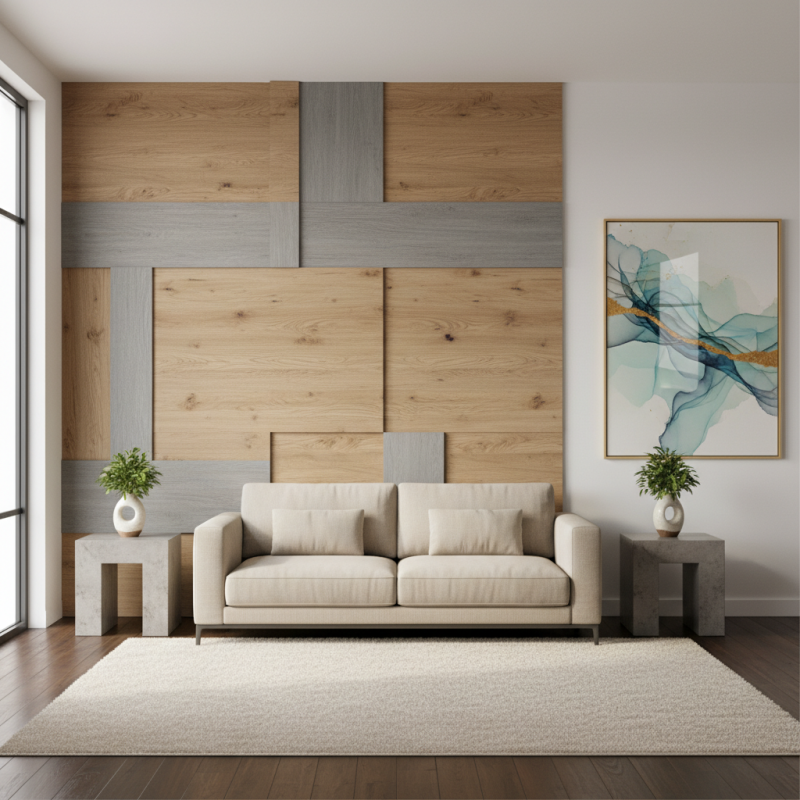
What is Wall Decor WPC: Definition and Overview
Wall Decor WPC, or wood polymer composite, has gained immense popularity in modern interior design. This innovative material combines the natural aesthetic of wood with the durability of synthetic polymers. According to industry reports, the global WPC market is expected to grow at a CAGR of over 12% from 2021 to 2026. This surge reflects a growing preference for sustainable and low-maintenance building materials.
WPC wall decor is resistant to fading, scratching, and moisture, making it ideal for various environments. Homeowners and designers appreciate its versatility. WPC can mimic the look of traditional wood grain but offers enhanced durability. The material is also environmentally friendly, often made from recycled materials. This aligns with current trends emphasizing eco-conscious building practices. However, some critics argue about its authenticity compared to natural wood.
Despite its advantages, the installation process can be tricky and might require professional assistance. Missteps can lead to warping or inadequate sealing. It's essential to weigh these factors when considering WPC for wall decor. Industry surveys indicate that over 40% of designers express concerns about long-term performance. This highlights the need for careful selection and planning in projects involving WPC materials.
Key Features of Wall Decor WPC: Durability and Aesthetics
Wall Decor WPC (Wood Plastic Composite) has gained popularity due to its impressive durability and aesthetic appeal. This innovative material combines the best properties of wood and plastic, resulting in a robust solution for interior and exterior applications. According to industry reports, the global WPC market is projected to grow by over 10% from 2021 to 2027, emphasizing its increasing acceptance in various design sectors.
Durability is a standout feature of WPC. It is resistant to moisture, insects, and rot. This makes it an excellent choice for both indoor and outdoor settings. Many designers are turning to WPC because it requires minimal maintenance compared to traditional wood. For instance, studies indicate that WPC can last up to 25 years under the right conditions, while wood may need frequent treatment. However, it’s worth noting that extreme temperature fluctuations can affect its longevity, which should be considered during design choices.
Aesthetically, WPC offers diverse options for color and texture. It can mimic the look of natural wood while being available in various finishes. Designers can create stunning wall decor that meets specific aesthetic goals. Some consumers, however, may feel that WPC lacks the warmth of real wood. This subjective preference often leads to a debate about authenticity in design. While WPC provides a modern look, it’s essential to balance this with the intended style of a space.
Market Growth: Why Wall Decor WPC is Gaining Popularity
Wall Decor WPC, or Wood Plastic Composite, has become a remarkable trend in interior design. The market for WPC wall decor is projected to grow at a CAGR of 7.9% through 2026, driven by its durability, eco-friendliness, and aesthetic appeal. Homeowners and designers appreciate WPC for its resistance to moisture and extreme weather, making it ideal for various environments. An industry report indicates that about 27% of consumers consider sustainability a key factor in their purchasing decisions, which further boosts WPC’s popularity.
WPC wall decor is versatile. It can mimic the look of natural wood and has a range of textures and colors. This allows homeowners to achieve a stylish design without the maintenance hassles associated with traditional wood. However, some consumers report issues with fading over time. Choosing high-quality materials is crucial to avoid this problem. Additionally, installation can require specific tools or skills.
Tips for consumers: Always consider where you will install WPC wall decor. Areas with high humidity may benefit from the moisture-resistant properties of WPC. Another tip is to request samples before making a final decision. Evaluating color and texture in your own space can prevent future regret. Understanding the trade-offs of WPC versus traditional materials is essential for a well-informed choice.
What is Wall Decor WPC and Why is it Popular? - Market Growth: Why Wall Decor WPC is Gaining Popularity
| Dimension | Description | Market Growth Rate (2021-2026) |
| Material Composition | Water-resistant composite used for wall decoration. | 8% CAGR |
| Application Areas | Residential, commercial, and hospitality sectors. | Growth in all sectors, particularly hospitality. |
| Design Versatility | Wide range of textures and patterns available. | Increasing demand for custom designs. |
| Sustainability | Eco-friendly manufacturing processes. | Growing preference for sustainable materials. |
| Installation Ease | Quick and easy installation compared to traditional materials. | Increasing adoption among DIY enthusiasts. |
Comparative Analysis: Wall Decor WPC vs Traditional Wall Materials
Wall Decor WPC (Wood Polymer Composite) is gaining traction in the interior design world due to its durability and aesthetic appeal. In a comparative analysis with traditional wall materials, WPC stands out for its resistance to moisture and pests. Traditional materials, like wood and plaster, often succumb to mold and termites, leading to costly repairs. Industry research indicates that WPC can last up to 25 years, while traditional alternatives may only hold up for a decade.
Another notable advantage of Wall Decor WPC is its eco-friendliness. Reports show that WPC products are made from recycled materials. In contrast, many traditional materials require extensive logging and mining, contributing to environmental degradation. Additionally, WPC's low maintenance needs make it an attractive choice for homeowners looking for long-term value. It is easy to clean and rarely requires repainting.
However, not all aspects of WPC are perfect. Some may find the initial cost higher compared to traditional options. There are concerns about the thermal expansion in extreme temperatures, leading to installation challenges. As the market evolves, it's crucial to weigh the benefits against these potential limitations. An informed decision can enhance the longevity and appeal of wall decor choices in both residential and commercial settings.
Environmental Impact: Sustainability of Wall Decor WPC Materials
Wall Decor WPC, or Wood Plastic Composite, has gained traction for its aesthetic appeal and sustainability. This hybrid material combines wood fibers and thermoplastics, offering durability along with a natural appearance. An increasing number of homes and businesses are opting for WPC wall decor due to these qualities. According to a recent market report, the global WPC market is projected to reach $10.4 billion by 2027, driven largely by its eco-friendly characteristics.
Environmental sustainability is a core reason for WPC's popularity. It often utilizes recycled materials, reducing waste. Studies indicate that using WPC can lower the carbon footprint compared to traditional timber. Furthermore, WPC is resistant to rot and pests, meaning fewer chemicals are required for maintenance. However, the production process still raises concerns. Some manufacturing methods consume significant energy and water. Consumers need to be aware of the full lifecycle impact of their choices.
The sustainability of WPC materials hinges on responsible sourcing and production practices. Certifications may vary across suppliers, complicating the decision for buyers. Consumers are urged to research the sustainability claims of manufacturers. Ensuring that WPC is produced in an eco-conscious manner remains a challenge, but it presents an opportunity for the industry to grow and improve. Engaging with industry experts and reports can provide clarity in navigating these choices.