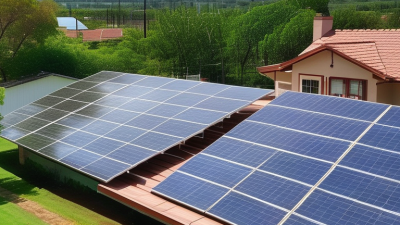
Why Choose DIY Solar Panels for Your Home?
Why choose DIY solar panels for your home? The answer often begins with control. You can study your electricity use, compare equipment, and understand each cable above your garage. You may also reduce installation costs. However, savings are not automatic. A cheaper project can become expensive when design mistakes waste energy or damage equipment.
Solar researcher Joshua M. Pearce has often highlighted the resource’s enormous potential: “The sun provides more energy to the Earth in one hour than humanity uses in a year.” That perspective makes a small rooftop system feel surprisingly practical. A south-facing roof, a clear afternoon, and a modest battery can change how a household uses power. Still, sunlight is not constant. Winter clouds, shading from trees, and evening demand require honest planning.
DIY solar panels can suit homeowners who enjoy measuring, learning, and checking details twice. You will need a realistic load estimate, compatible inverters, suitable mounting hardware, and careful electrical planning. Local permits and professional inspections may also be required. Never treat a tutorial as a substitute for qualified advice. Safety matters more than pride.
The work is tangible. You might watch a meter slow down at noon. You might also discover that your roof needs repairs first. That part is easy to overlook. A responsible decision compares roof condition, local rules, warranty limits, maintenance, and expected payback. DIY solar panels are not automatically the best choice, but they can offer meaningful independence when designed carefully and installed responsibly.
DIY Solar Basics: PV Components and NREL’s 15–23% Module-Efficiency Range
Why Choose DIY Solar Panels for Your Home?
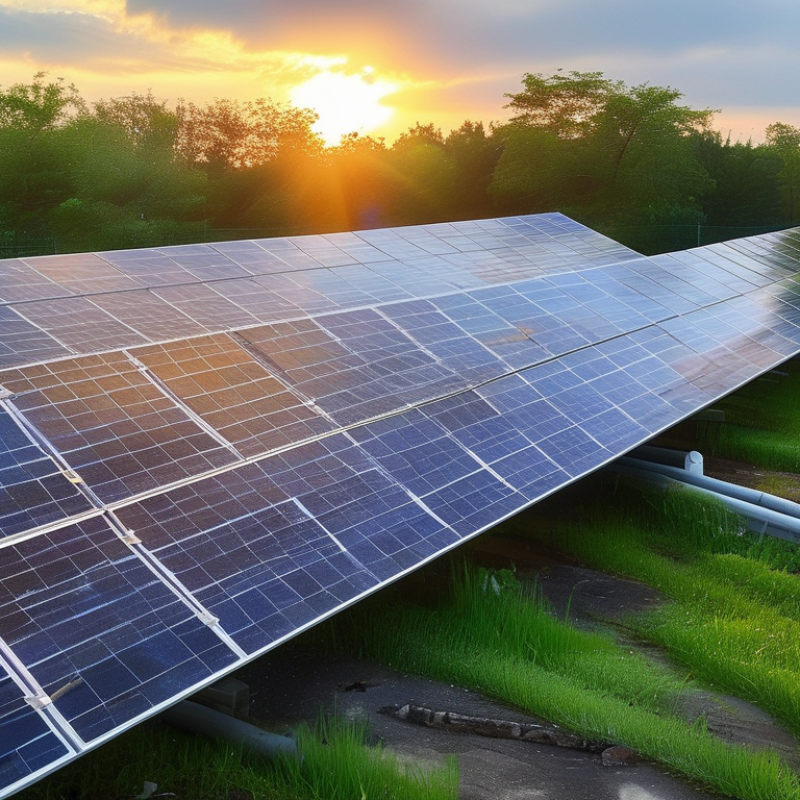
DIY solar projects begin with the photovoltaic module, not the rooftop image. A module converts sunlight into direct-current electricity through interconnected solar cells. NREL’s consumer guidance places common module efficiency around 15% to 23%. A 23% module produces more power from the same roof area. It does not create 23% electricity from every sunbeam.
The other parts matter. Racking holds panels above the roof, while wiring carries current to an inverter. The inverter changes direct current into household alternating current. A charge controller is needed for battery systems. Fuses, disconnects, and grounding reduce electrical risks. Keep the wiring organized. Poor cable routing can cause heat, water entry, or confusing maintenance later. I would measure roof shade across several hours, not only at noon. Morning trees can be surprisingly effective.
Global demand also supports careful planning. The IEA PVPS Trends 2024 report recorded more than 400 gigawatts of new photovoltaic capacity worldwide in 2023. That scale reflects mature technology, but home installations still depend on local conditions. A smaller, efficient module may suit a narrow roof better. A cheaper, lower-efficiency panel may require more space. DIY work can teach useful skills, yet grid connection rules and electrical inspections vary by location. I would not treat an online calculator as a final design. Even experienced installers can miss seasonal shading or roof-loading limits.
Site Assessment: Roof Area, Shade, Loads, and NREL Solar-Resource Data
Why Choose DIY Solar Panels for Your Home?
A careful site assessment makes DIY solar planning safer and more realistic. Measure the usable roof area, not the entire roof. Vents, skylights, ridges, and fire-access paths reduce the installable space. A simple roof sketch can reveal problems before equipment arrives. My own caution: online measurements are useful, but they can miss warped shingles or hidden structural damage.
Shade deserves hourly attention. A chimney shadow at 9 a.m. may disappear by noon, while a nearby tree can reduce output throughout the year. The National Renewable Energy Laboratory’s National Solar Radiation Database provides time-based irradiance data for production estimates. Its PVWatts guidance also models system losses, using a default loss assumption near 14 percent. That figure is only a starting point. Dust, snow, wiring, inverter limits, and partial shade may increase losses.
Compare estimated generation with household loads. Review a full year of electricity bills, then identify seasonal peaks from heating, cooling, or water heating. NREL’s PVWatts calculator combines solar-resource data, roof direction, tilt, and system size. Industry assessments, including the U.S. Energy Information Administration’s residential electricity data, show that household demand varies considerably by region and season. Do not size panels from one high bill. That is an easy mistake. A professional structural and electrical inspection remains valuable, especially for older roofs, overloaded panels, or complex roof layouts.
System Sizing: Apply PVWatts to Annual kWh Demand and Local Irradiance
DIY solar panels become more practical when system sizing starts with evidence, not guesswork. PVWatts converts local solar irradiance into estimated annual electricity production. It considers location, tilt, azimuth, temperature, and system losses. According to the U.S. Energy Information Administration’s 2022 Residential Energy Consumption Survey, the average American household used about 10,791 kWh annually.
Suppose your home needs 10,800 kWh each year. PVWatts estimates 1,400 kWh per installed kilowatt at your location. Dividing demand by production gives approximately 7.7 kW. A system near 8 kW may fit the annual target. That number is only a starting point. Roof shade can reduce output sharply. Snow, dust, wiring, and inverter losses matter too. PVWatts commonly applies a default system-loss assumption near 14%, according to its technical documentation.
Use your own utility bills whenever possible. Monthly data reveals winter heating loads and summer cooling peaks. The International Energy Agency’s Photovoltaic Power Systems Programme reports continued growth in distributed solar, but generation remains highly site-dependent. I have seen promising estimates weaken after an afternoon shade check. It is easy to overtrust one annual number. Recheck the result with roof measurements, local irradiance data, and realistic future demand. A slightly oversized array may support an electric vehicle later, but exporting excess power may not receive equal local credit. Examine those rules before buying equipment.
Why Choose DIY Solar Panels for Your Home? - System Sizing: Apply PVWatts to Annual kWh Demand and Local Irradiance
| Representative Location |
Annual Household Demand
(kWh/year) |
Average Peak Sun Hours
(hours/day) |
System Derate Factor
(%) |
Calculated DC System Size
(kW) |
Panel Rating
(W) |
Estimated Panel Count |
Approximate Roof Area
(m²) |
Estimated Annual Generation
(kWh/year) |
| Seattle, Washington |
10,000 |
3.5 |
80 |
9.8 |
400 |
25 |
50 |
10,220 |
| New York, New York |
10,000 |
4.0 |
80 |
8.6 |
400 |
22 |
44 |
10,278 |
| Denver, Colorado |
10,000 |
5.0 |
80 |
6.9 |
400 |
18 |
36 |
10,512 |
| Miami, Florida |
10,000 |
5.2 |
80 |
6.6 |
400 |
17 |
34 |
10,322 |
| Phoenix, Arizona |
10,000 |
5.5 |
80 |
6.2 |
400 |
16 |
32 |
10,278 |
Sizing method:
Required system size (kW) = Annual electricity demand (kWh) ÷ [Average peak sun hours × 365 × system derate factor].
The 80% derate factor represents typical losses from temperature, wiring, inverter conversion, soiling, mismatch, and system availability.
Planning assumptions:
Peak-sun-hour values are representative long-term averages for the listed locations and should be replaced with site-specific solar-resource data. The panel count is rounded up to the next whole panel, using a 400 W module and approximately 2 m² of roof area per panel. Shading, roof orientation, tilt, snow, weather variability, battery charging, and local interconnection limits can materially change the final design.
Installation Sequence: NEC Safety Rules, Permits, and Utility Interconnection
DIY solar begins with paperwork, not panels. Before touching a roof, obtain the electrical permit and verify zoning, structural, and fire-access rules. The National Electrical Code requires photovoltaic conductors, grounding, disconnects, and rapid-shutdown protection under Articles 690 and 705. A rooftop array is not a weekend experiment.
According to Berkeley Lab’s 2024 Tracking the Sun report, the 2023 median residential PV price was about $3.80 per watt. That figure includes professional design and compliance work. DIY labor can reduce costs, but mistakes can erase savings quickly. Map the sequence carefully: inspect rafters, install flashed attachments, mount rails, bond modules, route conductors, then place the inverter and visible disconnect. Keep every roof penetration watertight. I once underestimated conduit routing; one extra bend made the planned cable run unusable.
After inspection, submit the utility interconnection package. It commonly includes a single-line diagram, equipment certificates, system size, and anti-islanding details. Have a qualified electrician review the final wiring. Do not energize the array before written approval and meter authorization. The 2024 Solar Market Insight report from the Solar Energy Industries Association and Wood Mackenzie recorded 6.8 gigawatts of U.S. residential installations in 2023. Strong adoption does not justify skipping review. Utility timelines vary. Some require witness testing. Others require a new meter. Recheck every assumption.