What Is the Average Cost of Solar Panels by Type?
Choosing solar panels is not only a question of wattage or appearance. The average cost of solar panels depends on technology, system size, installation complexity, and local labor rates. Monocrystalline panels usually cost more because they offer higher efficiency and better performance in limited roof space. Polycrystalline panels may lower equipment costs, while thin-film panels can suit large, lightweight installations.
A realistic budget must include more than the panels themselves. Inverters, mounting hardware, wiring, permits, labor, and inspection fees can change the final quote. Battery storage adds another major expense. A shaded roof, steep angle, or aging electrical panel may also require extra work. Small details matter.
Recent guidance from established energy agencies and installer market data can help establish reasonable expectations. However, prices vary by region and change with supply conditions. A neat average can mislead. For example, two homes with identical panel capacities may receive very different quotes because one needs a roof repair first.
This guide compares panel types and explains what buyers may actually pay. It considers equipment costs, installation charges, efficiency, durability, and long-term value. The figures should be treated as practical estimates, not promises. Get several itemized quotes before signing anything. Ask about warranties, degradation rates, labor coverage, and expected annual output. A cheaper system is not always the better investment. Sometimes, paying more for efficient panels makes sense when roof space is tight. Sometimes, it does not. Careful comparison remains essential.
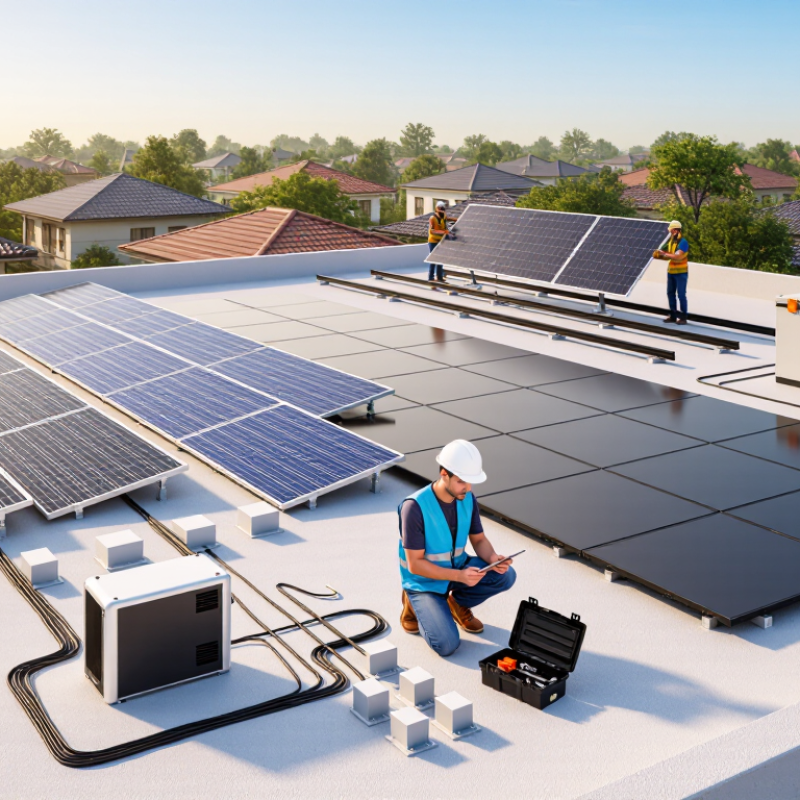
What Determines the Average Cost of Solar Panels?
The average cost of solar panels depends on far more than the panel itself. Installers usually price a complete system by watts, not by individual modules. Panel type matters because monocrystalline panels usually provide higher efficiency in limited roof space. Polycrystalline panels may cost less, while thin-film products can suit unusual surfaces. Efficiency, durability, and expected energy output all influence the final value.
Roof conditions often change the estimate dramatically. A simple, south-facing roof may require fewer labor hours and mounting materials. A steep roof, shaded area, or aging structure can increase installation costs. Electrical upgrades, permits, inspections, and wiring also add expenses. Battery storage creates another major cost, especially when homeowners want backup power during outages. Local sunlight, utility rules, labor rates, and available incentives affect prices as well.
For example, an 8-kilowatt system quoted at 2.50 dollars per watt would total about 20,000 dollars before incentives. That figure is only an illustration, not a universal average. A lower quote may exclude roof repairs, monitoring equipment, or future maintenance. An unusually high quote may include premium mounting hardware or complex electrical work. Ask for an itemized proposal. Compare projected production, warranty terms, degradation assumptions, and labor coverage. Small details matter. It is easy to focus on the purchase price and overlook long-term performance. A careful review may reveal that the cheapest system is not the least expensive choice over its working life.
Average Prices of Monocrystalline, Polycrystalline, and Thin-Film Panels
What Is the Average Cost of Solar Panels by Type?
Average Prices of Monocrystalline, Polycrystalline, and Thin-Film Panels
In the United States, monocrystalline panels usually cost about $1 to $1.50 per watt before installation. A typical 400-watt panel may cost $400 to $600. Their higher efficiency suits small roofs and limited sunlight. Complete systems often reach $2.50 to $3.50 per watt after labor, permits, and electrical work.
Polycrystalline panels commonly cost $0.90 to $1.20 per watt before installation. They are less efficient, but their lower purchase price can help on larger roofs. Thin-film panels often cost $0.70 to $1 per watt. However, they need more roof space and may involve specialized mounting. Installed prices vary widely, usually between $2 and $3.50 per watt. These figures are practical estimates, not fixed quotes.
Tips: Compare price per watt, annual energy output, and warranty terms. Ask for an itemized estimate. Include permits, roof repairs, inverters, and connection fees. A cheap panel is not always the cheapest system. Shading can change the result. I would also request three local quotes, because labor rates can differ sharply between nearby counties. Estimates sometimes look precise, but real site conditions remain uncertain.
What Is the Average Cost of Solar Panels by Type?
Typical U.S. residential panel-only prices in 2024–2025, shown in dollars per watt before installation, inverters, racking, labor, taxes, and incentives.
Monocrystalline panels generally cost more because they offer higher efficiency and power density. Polycrystalline and thin-film panels typically have lower upfront prices per watt, although total project costs depend on system design, labor, roof conditions, and local market rates.
How Panel Efficiency and Power Output Affect the Total Cost
Solar panel cost depends less on the sticker price than on energy delivered per square foot. Monocrystalline panels often cost more, but higher efficiency can produce more power from a limited roof. Polycrystalline panels usually have a lower purchase price, while thin-film systems may suit large, lightweight surfaces. For a typical home, installed pricing often falls near $2.50 to $4.50 per watt before incentives. Local labor can change that figure. A 400-watt panel provides more capacity than a 300-watt panel, but it may not reduce the total project cost. Roof layout, inverter sizing, mounting hardware, and permits also matter. The arithmetic is easy to underestimate.
When comparing quotes, calculate cost per watt and cost per usable kilowatt-hour. A high-efficiency panel may reduce panel count, racking, wiring, and labor. Those savings can offset its higher unit price. Power output also depends on temperature, shading, roof direction, and seasonal sunlight. A panel rated at 400 watts will not deliver 400 watts continuously. I have seen homeowners focus on peak ratings and overlook afternoon shade. That mistake can make a cheaper system more expensive over time. Ask for an annual production estimate and the assumptions behind it. Estimates based on measured roof conditions are more dependable than optimistic averages.
Tips:
Request three itemized quotes. Check efficiency, wattage, warranty terms, and annual output. Compare total installed cost, not panel cost alone. Leave room for uncertainty. A modest system with better roof exposure may outperform a larger, cheaper system.
Installation, Equipment, and Maintenance Costs by Solar Panel Type
Solar panel costs vary by technology, roof design, and local labor rates.
Monocrystalline panels usually cost about $2.50 to $3.50 per watt installed. A typical 6-kilowatt system may therefore range from $15,000 to $21,000 before incentives. Their higher efficiency can reduce roof space, but equipment costs may rise when premium mounting hardware or battery storage is included.
Polycrystalline panels often cost slightly less, around $2.20 to $3.00 per watt installed.
They need more roof area for similar output, which can increase racking and labor expenses. Thin-film panels may cost $2.00 to $3.00 per watt, but installation is less predictable. They can suit large, lightly sloped surfaces, while residential roofs may require extra structural work. Roof repairs, electrical upgrades, permits, and difficult access can change the final bill sharply.
Maintenance is generally modest.
Annual inspections may cost $150 to $300, while professional cleaning often costs $150 to $400, depending on system size and roof height. Monitoring equipment can identify declining production before a small fault becomes expensive. In my cost reviews, estimates often look precise but hide exclusions, especially for trenching and panel removal. It is not exact. Ask for an itemized quote covering labor, inverters, mounting, wiring, permits, inspections, and future service. A realistic budget should also reserve money for inverter replacement, which may occur earlier than the panels themselves.
How to Compare Solar Panel Types for Different Budgets and Properties
Choosing solar panels starts with the property, not the advertised price. Monocrystalline panels usually cost more because they deliver higher efficiency, often above 20% in Fraunhofer ISE’s 2024 Photovoltaics Report. They suit small roofs, shaded areas, and homes where every square meter matters. A typical residential quote remains far above panel-only pricing. EnergySage’s 2024 marketplace data reported roughly $2.75 per watt before incentives, including installation and supporting equipment.
Polycrystalline panels can reduce equipment costs, but their lower efficiency requires more roof space. That saving may disappear when extra racking, wiring, or labor is needed. Thin-film panels offer lower efficiency but perform well on large, lightly loaded surfaces. They can also fit unusual structures, although suitable installers may be harder to find. The choice is not tidy.
NREL’s 2024 cost analysis separates module expenses from labor, permitting, design, and financing. Those “soft costs” can outweigh differences between panel types. Ask for an itemized quote showing dollars per watt, expected annual production, roof area, degradation, and replacement assumptions. Check the production estimate against your roof’s direction, shading, and local weather data. A cheap panel is not always a cheap system. I would also question unusually high savings claims, because real roofs rarely match laboratory conditions. Think carefully.
What Is the Average Cost of Solar Panels by Type? - How to Compare Solar Panel Types for Different Budgets and Properties
Cost ranges are typical U.S. residential or small-installation estimates before tax credits, rebates, financing charges, and major electrical or roof repairs. Actual pricing varies by system size, labor rates, roof condition, permitting, mounting method, local sunlight, and site complexity. The 6 kW estimates include panels, inverter equipment, racking, installation, and standard balance-of-system costs.