What Type of Solar Panels Are Best for Your Home?
Choosing the best solar panels for your home requires more than comparing efficiency numbers. Your roof’s age, direction, pitch, and daily shade can change the result. A high-efficiency panel may look ideal, yet it may not suit a cramped roof or a limited budget.
Monocrystalline panels usually provide strong output in a smaller area. They often suit homes with little usable roof space. Polycrystalline panels can cost less, although they may need more surface area. Thin-film panels offer flexibility for certain roofs, garages, or lightweight structures. The right choice depends on your electricity use, local climate, and available installation space.
Your energy bills tell an important story. Review them across a full year, not just one expensive month. Ask a qualified installer to inspect roof condition, wiring, shading, and future energy needs. Request clear estimates for production, payback, maintenance, warranties, and battery compatibility. Check the installer’s licensing, insurance, certifications, and customer references. Independent product testing and manufacturer warranty terms also deserve attention.
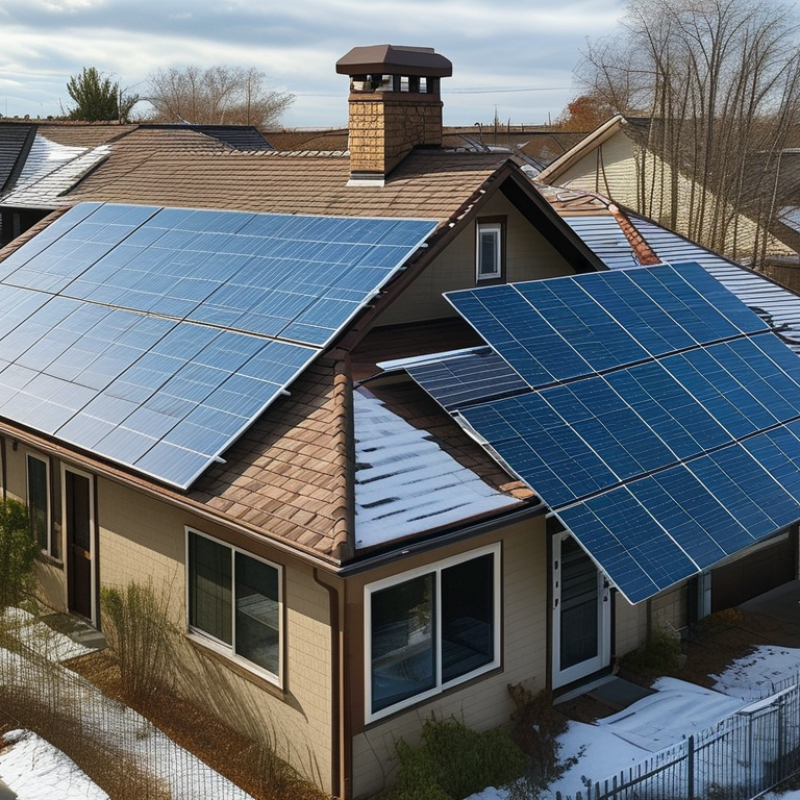
Small details matter. A chimney shadow can reduce output across several panels. Dust, snow, and nearby trees may require a different layout. It is easy to chase the highest efficiency rating and overlook installation quality. No option is perfect. Even careful estimates can miss changing utility prices or household habits. This guide compares panel types through practical performance, long-term reliability, appearance, and value. Its goal is simple: help you select solar panels for your home with clearer expectations and fewer costly surprises.
Understanding the Main Types of Residential Solar Panels
What Type of Solar Panels Are Best for Your Home?
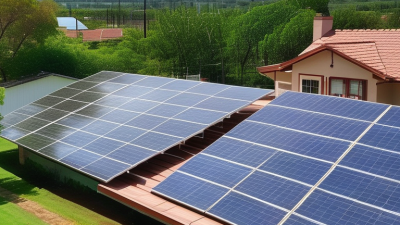
Understanding the main types of residential solar panels helps homeowners make practical decisions. Monocrystalline panels use high-purity silicon cells and usually provide the highest efficiency. They suit smaller roofs because they produce more electricity per square metre. Their dark, uniform appearance also looks tidy on many homes. However, they often cost more.
Polycrystalline panels use multiple silicon fragments during manufacturing. They generally cost less, but their efficiency is slightly lower. A larger roof may reduce this disadvantage. Thin-film panels use very thin photovoltaic layers on flexible surfaces. They perform well on unusual roof shapes and some lightweight structures. They usually need more space for the same output.
Roof conditions matter as much as panel type. A south-facing roof is not always necessary, but shade from trees, chimneys, or nearby buildings can reduce production. During a site assessment, check roof age, structural strength, local sunlight, and seasonal shadows. Ask for estimated annual output, not only the panel’s peak rating. That number is more useful for household planning.
Temperature also affects performance. Some panels lose less output during hot afternoons, which matters in warm climates. I once assumed the highest efficiency automatically meant the best choice. That was too simple. Installation space, budget, maintenance access, and future electricity use can change the answer. A qualified installer should explain these trade-offs clearly and provide written performance assumptions.
Comparing Solar Panel Efficiency, Output, and Durability
What Type of Solar Panels Are Best for Your Home?
Comparing Solar Panel Efficiency, Output, and Durability
Solar panel efficiency shows how much sunlight becomes usable electricity. Most residential panels convert roughly 19% to 23% of received sunlight. Higher efficiency can help when your roof has limited space. However, efficiency alone does not determine your monthly production. Roof direction, shade, temperature, and local weather matter greatly. Heat matters.
A practical assessment should compare panel output in watts, not efficiency alone. A larger panel may produce more electricity, even with a slightly lower efficiency rating. Ask for estimated annual output using your roof’s actual angle and shading. A clear winter afternoon can reveal shadows from chimneys, trees, and nearby buildings. I have seen homeowners overvalue laboratory efficiency while ignoring afternoon shade.
Durability affects long-term value and maintenance. Look for strong resistance to wind, snow, moisture, and repeated temperature changes. A reliable panel should also show limited performance loss over time. Installation quality matters just as much. Poorly sealed wiring or weak mounting can shorten a panel’s useful life. Measure twice.
No panel performs perfectly in every climate. Some efficiency figures come from controlled testing, not a busy rooftop. That difference deserves attention. Compare real-world temperature performance, degradation information, product protection, and installer workmanship. The cheapest option may create higher costs if output falls quickly or repairs become difficult. A slightly imperfect roof assessment can also distort every later calculation.
Evaluating Your Roof, Climate, and Household Energy Needs
Choosing the best solar panels starts with your roof, not a product brochure. A roof inspection should check age, shading, pitch, structural strength, and usable space. A south-facing roof often receives strong sunlight, but east- and west-facing surfaces can also perform well. Trees, chimneys, and nearby buildings may create afternoon shadows.
Roof condition matters.
Replacing roofing after installation can add avoidable expense. I have seen homeowners focus on panel efficiency while overlooking cracked shingles and limited roof access. That decision can complicate future repairs. A qualified installer should measure shade throughout the day, review local building rules, and explain expected production with documented estimates.
Your climate changes the practical choice. Hot temperatures can reduce panel output, while snow, coastal air, dust, and heavy rain affect maintenance needs. Ask about tested performance under local weather conditions. The strongest option may not be the panel with the highest laboratory efficiency. It should also suit your roof size and installation environment.
Household energy use provides the final guide. Review at least twelve months of electricity bills, including summer cooling and winter heating. A family working from home may need more capacity than a small household with efficient appliances. Electric vehicles, heat pumps, and future renovations deserve attention too. However, oversized systems can increase costs without improving value. A careful assessment should compare daytime usage, nighttime demand, battery plans, and available incentives. Estimates are not promises. Conditions change.
What Type of Solar Panels Are Best for Your Home?
Evaluating roof space, climate, and household energy needs can help determine which panel technology is most suitable. The chart compares typical module-efficiency ranges, which indicate how much sunlight a panel can convert into electricity under standard test conditions.
How to read the chart: Higher-efficiency panels can produce more electricity from a smaller roof area, which may benefit homes with limited or shaded roof space. Lower-efficiency technologies may still be practical when roof area is available and local climate, installation conditions, and energy use are favorable. Actual performance varies with temperature, shading, orientation, tilt, and system design.
Reviewing Solar Costs, Lifespan, Warranties, and Maintenance
Choosing the best solar panels for your home starts with more than their advertised efficiency. Installation costs depend on roof shape, electrical upgrades, labor, permits, and local sunlight. A cheaper system may need more panels to produce the same energy. That difference can increase mounting and maintenance expenses.
Most quality panels operate for 25 to 30 years, although performance gradually declines. Warranties usually cover equipment defects and power output, but their terms can differ sharply. Read the exclusions carefully. Some warranties require approved installation or professional maintenance records. In my experience, homeowners often focus on the longest warranty and overlook the claims process, which can be equally important. Numbers alone are not enough.
Tips:
Request at least three detailed quotes with identical system sizes. Ask who handles repairs after installation. Check whether roof access is safe and practical for future inspections. Keep production records during the first year. A sudden drop may indicate shading, wiring problems, or inverter failure. Cleaning is not always necessary, especially after regular rain, but dust, pollen, and bird droppings can reduce output. I would not promise zero maintenance. That sounds convenient, but it is rarely realistic. A yearly visual inspection and occasional electrical check can protect long-term performance. Factor in roof age too; replacing an old roof beneath solar equipment can become an expensive surprise.