China Top Residential Solar Panels for Global Buyers in 2026?
As the demand for clean energy grows, the residential solar panels market is evolving rapidly. Reports by the International Energy Agency (IEA) indicate that global installations of residential solar panels are projected to reach 283 gigawatts by 2026. This significant growth reflects a shift towards sustainable living and energy independence. According to Dr. Julia Chen, an expert in renewable energy systems, "The future of residential solar panels is bright as technology continues to improve and costs decrease."
China stands at the forefront of this transformation. With advanced manufacturing capabilities and competitive pricing, Chinese solar panels are attracting global buyers. However, the industry faces challenges, including quality concerns and regulatory hurdles. It's essential for buyers to research and evaluate potential suppliers. There is also a need for continuous innovation to enhance efficiency and reliability.
Despite these challenges, the outlook remains positive. Buyers must navigate market dynamics thoughtfully. The transition to residential solar panels is not just about energy savings. It is also a commitment to sustainability and environmental responsibility. Each decision shapes the future of energy consumption. The journey is ongoing, requiring reflection and adaptation.
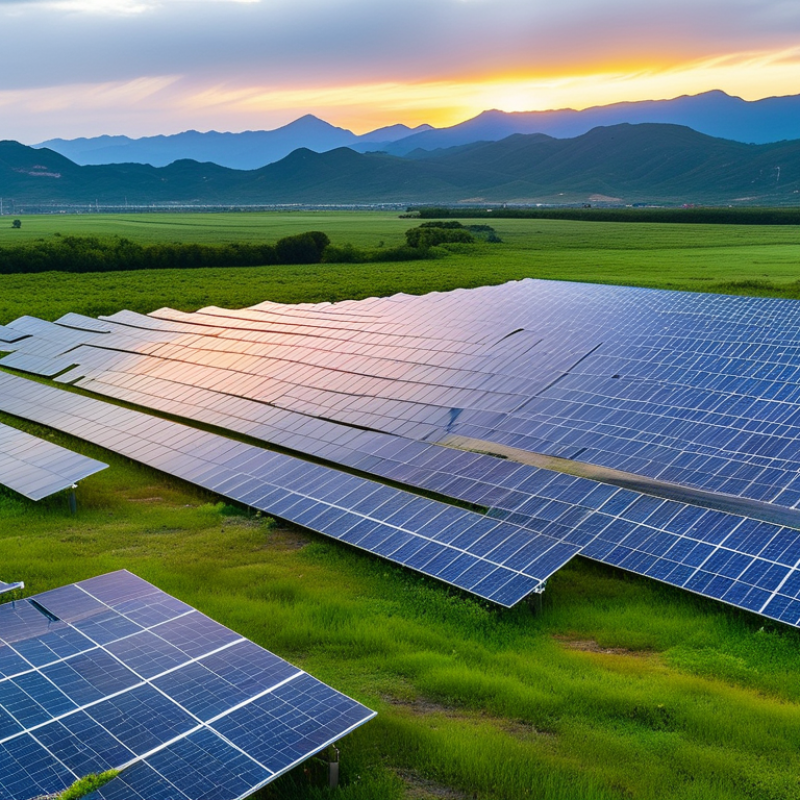
China's Dominance in the Global Solar Panel Market by 2026
China is poised to cement its position as a leader in the global solar panel market by 2026. According to the International Energy Agency (IEA), China's share of global solar panel production is expected to reach 70%. This surge is driven by advancements in technology and increased investment in renewable energy. The country is also focused on improving efficiency, with some manufacturers achieving module efficiencies exceeding 22%.
The global demand for solar energy continues to rise, and China is strategically positioned to supply this demand. Recent reports show that Chinese solar panel exports reached over 85 gigawatts in 2022, significantly influencing projects worldwide. However, challenges remain. An over-reliance on Chinese materials has raised concerns about supply chain vulnerabilities and market stability. Additionally, the rapid expansion may lead to regulatory scrutiny, especially regarding sustainability practices.
In 2026, as the international market evolves, China's dominance will face scrutiny. Emerging markets are investing heavily in local solar production, which may disrupt the current trends. This competition could lead to price fluctuations and affect China's market share. Observing these developments will be crucial for global buyers looking to source sustainable and reliable solar solutions.
Key Features of Top Residential Solar Panels in China
China's residential solar panels in 2026 exhibit several key features that appeal to global buyers. High efficiency is among their most notable attributes. Many panels achieve efficiencies above 20%, translating to higher energy output in limited space. This efficiency is crucial for urban settings, where roof space may be restricted.
Durability is another essential feature. Advanced materials make these panels resistant to harsh weather conditions. Buyers can expect longevity and reduced maintenance costs. Nonetheless, it’s vital to understand that even the best panels may require occasional inspection or cleaning to maintain peak performance.
Investing in solar technology often comes with various options. Buyers should consider local solar incentives or regulations that impact installation. Gathering information on energy storage solutions also enhances the overall system efficiency. Exploring these aspects ensures a well-rounded approach to solar energy adoption, providing reliable power for years to come.
Factors Influencing Global Demand for Chinese Solar Panels
The demand for Chinese solar panels is influenced by several critical factors. Price competitiveness is a key driver. As production costs have decreased over the years, Chinese manufacturers can offer lower prices. This makes their products attractive to global buyers. Many countries are looking to invest in renewable energy, making affordability a priority.
Technological advancements also play a vital role. Improved efficiency in solar panels enhances their appeal. Buyers seek products that yield better performance with less space. As innovation continues, China remains at the forefront. However, concerns about quality persist. Some buyers worry about the longevity and durability of cheaper options.
Regulatory policies significantly affect purchasing decisions. Tariffs and trade agreements can change the market landscape. Countries may impose restrictions based on environmental standards. These policies can sway buyers towards alternatives. Furthermore, public opinion regarding sustainability shapes purchasing trends. As consumers become more eco-conscious, the demand for reliable and environmentally friendly options rises.
Emerging Technologies in China's Solar Panel Industry for 2026
China's solar panel market is evolving rapidly, driven by emerging technologies that promise to reshape the industry by 2026. According to a recent report by the International Energy Agency, China's share of the global solar panel production is projected to surpass 70%. This unprecedented growth is fueled by advancements in efficiency and manufacturing techniques.
One area ripe for innovation is the use of bifacial solar panels, which can capture sunlight on both sides. Research indicates that these panels can increase energy generation by 10-20%. Additionally, improvements in perovskite solar cells show immense potential, with efficiencies reaching 29.5% under lab conditions. However, the commercial viability of these materials remains uncertain. Cost, longevity, and environmental concerns present hurdles that need to be addressed.
Solar storage technology is another focus. With energy storage capacities expected to double by 2026, integrating batteries with solar systems could enhance energy reliability. Current estimates suggest that efficient storage solutions could become critical as residential solar energy adoption rises. This transition is necessary to prevent grid overload and ensure sustainability. However, the transition may prove challenging for many manufacturers that need to adapt quickly. The unfolding landscape invites reflection on the balance between innovation and practicality.
Impact of Policy Changes on China's Solar Export Strategies
The landscape of solar panel exports from China is shifting due to recent policy changes. China's government has been adjusting its strategies to bolster renewable energy growth. These adjustments directly affect how Chinese manufacturers approach global markets. New export incentives and trade agreements are emerging. They aim to enhance competitiveness while addressing environmental concerns.
Manufacturers must now navigate a complex regulatory environment. The evolving policies may introduce challenges in production and supply chain efficiency. While some companies adapt quickly, others struggle. This inconsistency can impact the overall reputation of Chinese solar products abroad. Additionally, quality assurance remains a crucial factor. Buyers are increasingly discerning, seeking reliable and durable solutions.
Lack of standardization in the solar industry can lead to confusion. Companies need to prioritize transparency in their offerings. Educating international buyers about product specifications can foster trust. As policies continue to evolve, ongoing reflection on market strategies will be essential. Balancing innovation with regulatory requirements will determine long-term success in global markets.