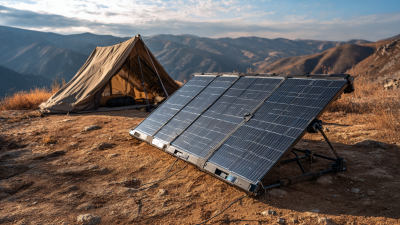
10 Tips for Choosing Solar Panels for Home Use

Choosing solar panels for home use is not just a matter of comparing wattage or picking the newest model. Your roof, household electricity habits, local weather, and budget all affect which system makes sense. A panel that performs well on a sunny showroom chart may deliver differently beneath shade, dust, or winter clouds. Small details matter. So does installation quality.

This guide offers ten practical tips for evaluating panel efficiency, durability, warranties, certifications, and installer support. It also explains how to compare quoted system output with your actual electricity bills, rather than relying on broad promises. Look closely at roof direction and usable space; a narrow roof section can limit layout options. For example, an older roof may need repairs before installation, changing the project’s real cost. Ask how performance estimates account for local conditions, and request clear explanations of their assumptions. No estimate is perfect. That deserves attention.

With the right questions, homeowners can narrow their choices without treating the highest price or efficiency rating as an automatic winner. Compare warranty terms carefully; coverage for equipment, workmanship, and energy output may differ. Consider long-term service, replacement costs, and whether the proposed equipment fits your home’s needs today. Some tradeoffs remain, and I would not pretend otherwise. A careful comparison can make the decision more grounded, even when a few answers still feel uncertain.
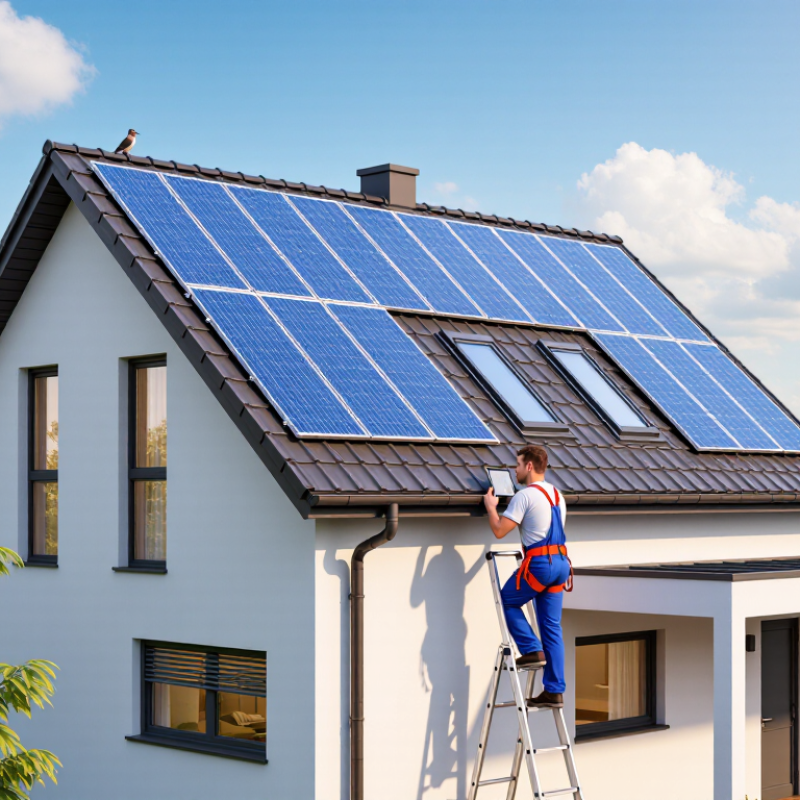
10 Tips for Choosing Solar Panels for Home Use

Assess Your Home’s Solar Potential and Energy Needs

Before comparing panels, find how much electricity your household actually uses. Review twelve months of utility bills; winter heating or summer air conditioning can change the picture. Note when major appliances run, too. A household using most power after sunset may value storage, while daytime use can align better with solar production. Annual totals alone can mislead; timing matters.

Inspect the roof from the ground and, if safe, from the attic. Record its age, usable area, orientation, and visible shade from trees, chimneys, or nearby buildings. A sunny noon photo is not a full assessment. Shade shifts through the seasons, and a roof needing repairs may be better addressed before installation. Local solar maps offer a useful starting point, not a promise of output.

Compare estimated production with your typical use rather than assuming rated panel output will reach your home. Ask a qualified installer to assess shading, roof structure, electrical equipment, and local weather assumptions. Estimates still vary. Small details matter. Keep key assumptions in writing, especially shade and future energy use, and revisit them if your household plans change.

Compare Solar Panel Types, Efficiency, and Power Output

Choosing a panel starts with roof space, not a headline efficiency claim. The U.S. Department of Energy says most commercial panels convert about 15–20% of sunlight into electricity. Fraunhofer ISE’s 2024 Photovoltaics Report identifies crystalline silicon as the dominant commercial technology. Monocrystalline panels generally offer more power per square metre; older polycrystalline models may cost less, while thin-film panels can suit lightweight or curved surfaces. Their output per area is often lower. Check the product’s rated watts and dimensions together.

Tip: Compare usable power, not efficiency alone. A 400-watt panel can produce about 2 kilowatt-hours over five peak-sun hours, before system losses. That is an estimate, not a promise. Shade from a chimney can change the result.

Tip: Ask for a site-specific estimate using your roof direction, tilt, shade, and local sunlight data. Compare expected annual kilowatt-hours, temperature performance, and degradation terms across quotes. A panel with a higher rating may not be the best fit if it leaves awkward gaps on the roof. I would also check whether the estimate explains its assumptions; that detail is easy to overlook.

Check Durability, Climate Suitability, and Product Warranties

Solar panels sit outdoors for decades, so durability deserves more than a glance at an efficiency figure. Check published test results for hail impact, wind pressure, and temperature cycling. Compare them with your roof’s actual exposure. A coastal roof faces salty air, while a snowy site may need stronger load ratings. Hot climates also deserve attention: panel output can fall as operating temperatures rise. Check the temperature coefficient on the product data sheet. Small details matter.

Climate suitability is not only about the panel. Roof angle, shade, and ventilation affect real-world performance. Ask an installer to explain how local weather and roof conditions shape the system design, and request the assumptions behind any production estimate. Independent test documentation can help you compare products, but it does not guarantee identical results on every roof. I would not choose a panel from one number alone. That is an easy mistake.

Read warranty terms carefully. Product warranties generally cover defects, while performance warranties address how much output a panel is expected to retain over time. Check the stated degradation rate, exclusions, claim process, and whether labor or removal costs are included. A long warranty sounds reassuring. The details are less exciting, but more useful. Also ask whether coverage can transfer to a future homeowner. If a term is unclear, get the explanation in writing before signing.

Evaluate Installation Options, Costs, and Incentives

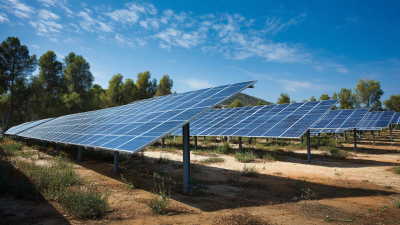
Choosing an installation method starts with the property. A south-facing roof is not essential, but shade, roof condition, and usable area affect output. Ask installers to compare rooftop panels with a ground-mounted array or carport where space allows. Ground mounts can be easier to maintain, but excavation and structural work may add cost. Details matter.

Get itemized cash quotes and compare equipment, labor, electrical upgrades, permits, and interconnection fees. Lawrence Berkeley National Laboratory’s Tracking the Sun 2024 report found a median installed residential solar price near $3.1 per watt for 2023 systems. Treat that as a benchmark, not a promise: roof complexity and local labor can shift the final price. Compare cash purchase, loans, leases, and power-purchase agreements by total payments, ownership, and who handles repairs. One awkward detail is that a low monthly payment may hide escalators or fees.

Incentives vary by location and can change. Check current federal, state, utility, and local programs before signing; the DSIRE database, maintained by the NC Clean Energy Technology Center, can help identify options. Confirm eligibility and deadlines with the relevant agency or a qualified tax professional. Ask how the quote accounts for export compensation, since utility rules affect bill savings. Then test the installer’s production estimate against your past electricity bills. A neat spreadsheet can still miss a roof replacement due soon.

Select a Qualified Installer and Review System Proposals

A qualified installer should explain the design, not just present a low total. Check relevant electrical and roofing credentials, insurance, local references, and who handles permits and inspections. Ask who will be on your roof and who responds if the system underperforms. Details matter. A polished proposal is not proof of careful work.

Compare proposals using the same assumptions: usable roof area, panel capacity, estimated annual production, shading, and equipment warranties. The National Renewable Energy Laboratory’s Q1 2023 U.S. system-cost benchmark put modeled residential solar at about $2.90 per watt of direct-current capacity. Treat that as a benchmark, not a promised price; location, roof work, and financing can change the total. Lawrence Berkeley National Laboratory’s Tracking the Sun 2024 report analyzes residential system prices and features, reinforcing the need to compare like with like.

Look for a month-by-month production estimate and ask how it accounts for roof direction, shade, and local weather. Request separate prices for panels, inverter, electrical upgrades, and optional storage. Check whether financing fees are included, and read the workmanship and roof-penetration warranties. Ask why. One easy-to-miss gap is unclear responsibility after installation. If an estimate relies on ideal production or vague warranty language, request a revision before signing. A small uncertainty may remain; the installer should state it plainly.

10 Tips for Choosing Solar Panels for Home Use - Select a Qualified Installer and Review System Proposals

# What to Evaluate What to Check in the Proposal Useful Comparison Data Question to Ask
1 Installer qualifications Confirm the installer holds the licenses required in your area and carries appropriate liability and workers’ compensation coverage. Record license status, insurance confirmation, and the person responsible for permits and inspections. Who will design and install the system, and can you provide current licensing and insurance details?
2 Relevant installation experience Look for completed residential projects with roof types and system sizes similar to yours. Compare at least 2–3 recent, verifiable local references where practical. Can I speak with recent customers whose homes are similar to mine?
3 System size and energy use Check the proposed capacity in kilowatts (kW) against your electricity bills and expected household use. Example: a 6 kW system is a capacity rating, not a guarantee of 6 kW of output at all times. What annual electricity production do you estimate, and what assumptions support it?
4 Roof and shade assessment Review roof orientation, usable area, shading, roof condition, and whether roof work may be needed before installation. Ask for a site-specific layout and note any trees, chimneys, or nearby buildings that may reduce output. Was the estimate based on an on-site assessment or remote imagery, and what could change it?
5 Panel and inverter specifications Require model-independent specifications such as rated capacity, efficiency, inverter type, and applicable warranties. Compare the total panel capacity (kW), inverter capacity (kW), and warranty terms rather than price alone. What equipment is included, and will the final equipment match the written proposal?
6 Production estimate and assumptions Check estimated annual production in kilowatt-hours (kWh) and the assumptions for weather, shading, orientation, and system losses. Compare estimates using the same location, roof details, and assumptions; actual production can vary. How do you account for shading, temperature, and other expected system losses?
7 Itemized system proposal Look for a clear scope covering equipment, labor, mounting, electrical work, permits, inspections, and any exclusions. Compare total installed price and included work on the same basis; identify optional items separately. Which costs are included, and could any additional charges apply after the site assessment?
8 Warranties and service Separate product, inverter, workmanship, and roof-penetration coverage; check the claim process and responsible party. Record each warranty’s duration, coverage, exclusions, and whether labor or removal is included. Who handles service if a component fails, and what costs are not covered?
9 Permits and grid connection Confirm who submits permits, arranges required inspections, and coordinates utility interconnection. List each approval step and any estimated waiting period; local requirements and timelines differ. Will the system be switched on only after required approvals and utility authorization?
10 Financial terms and proposal comparison Review payment schedule, financing charges, cancellation terms, estimated bill impacts, and any incentives separately. Compare cash price, financed total, fees, and assumptions; incentives and export credits depend on local rules. Can you provide a written estimate showing costs and assumptions without treating projected savings as guaranteed?

Note: The comparison figures and examples are general guidance, not a system quote. Equipment, permits, utility rules, incentives, production, and costs vary by location and property.