How to Create Your Own DIY Solar System for Home Use?
Creating your own DIY solar system can be an empowering project. With rising energy costs and a growing interest in sustainability, many homeowners are exploring this option. John Smith, an expert in renewable energy, states, “Building a DIY solar system is not just a project; it’s a commitment to a sustainable future.”
A DIY solar system offers not only potential savings but also a sense of independence. It is important to plan carefully. Start with a clear understanding of your energy needs. Consider the number of solar panels required and their placement. Mistakes in this phase can be costly and frustrating.
While this project can be rewarding, challenges will arise. You may face technical issues or zoning regulations. Reflection on these hurdles is crucial. Learning from setbacks is an inherent part of the DIY journey. Approach this endeavor with an open mind. The experience itself holds immense value.
Understanding the Basics of Solar Energy and Its Benefits
Solar energy is not just a buzzword; it's a feasible solution for home energy needs. According to the U.S. Department of Energy, residential solar systems can reduce energy bills by up to 70%. This statistic highlights the tangible benefits of harnessing solar power. Homeowners can lower their environmental impact while also enjoying financial savings.
The fundamentals of solar energy involve converting sunlight into electricity using photovoltaic cells. These systems are reliable and have low maintenance costs, making them an attractive option for many households. A study by the National Renewable Energy Laboratory reveals that solar energy production increased by over 28% in the past year alone. This growth indicates a robust technology that is establishing itself as a key player in the energy sector.
However, the initial investment can be daunting for some. On average, a residential solar system might cost between $15,000 to $25,000. While financing options are available, it’s essential to evaluate if the long-term savings justify the upfront costs. Engaging with community solar programs can be a viable alternative for those hesitant to commit fully. These programs allow multiple homeowners to share the benefits of a single solar installation, making renewable energy more accessible.
Components Needed for a DIY Home Solar System
Creating a DIY solar system for your home can be a rewarding project. The right components are crucial for efficiency and performance. To start, you'll need solar panels. These capture sunlight and convert it into electricity. Ensure you choose panels that match the energy needs of your household.
Next, you'll require a charge controller. This device regulates the voltage coming from the solar panels. It prevents overcharging, thereby protecting your batteries. Speaking of batteries, they store energy for use when sunlight is not available. Opt for deep-cycle batteries, designed for regular draining and recharging.
In addition to these, an inverter is necessary to convert the stored energy into usable AC power. This allows you to power everyday home appliances. Don’t forget mounting hardware for the panels. Installation requires precision and safety. If you aren’t comfortable, consider seeking help. Mistakes during installation can lead to inefficiencies or safety hazards. Take time to plan your layout carefully for optimal sunlight exposure.
Step-by-Step Guide to Designing Your Solar Energy System
Creating your own DIY solar energy system can be rewarding. Start by assessing your energy needs.
Calculate how much energy you use each month. An average household consumes about 877 kilowatt-hours monthly. Understanding this helps in sizing your system correctly.
Next, plan your solar panel setup. Consider the space available on your roof or yard. Take note of any shading from trees or buildings. This may affect your panel's efficiency. The ideal angle and direction for panels are usually south-facing at a tilt.
Tips: Always double-check calculations during planning. Mistakes can lead to an underperforming system.
Once you have the layout, gather materials like solar panels, an inverter, and batteries. Connecting these components requires careful attention. Follow installation guides closely. Safety should be a top priority. Consider consulting experts if you feel uneasy about the connections.
Tips: Regular maintenance is vital. Clean panels biannually to maximize efficiency. You may discover your system isn't producing as expected, prompting a closer inspection.
Installation Process: Mounting and Connecting Solar Panels
Installing a DIY solar system can be an exciting and rewarding endeavor, allowing you to harness renewable energy and potentially save on utility bills. The mounting of solar panels is crucial. Proper installation ensures longevity and efficiency. According to the National Renewable Energy Laboratory, a well-installed solar panel can operate at optimal performance for 25 years or more.
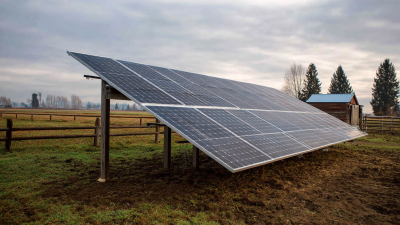
Before starting the installation, check your roof's structural integrity. It should support the weight of the panels. Use a stud finder to locate rafters. Avoid areas with heavy shading from nearby trees or buildings. This could reduce your system's effectiveness significantly.
Tip: Consider using adjustable mounts. They allow for better angle adjustments based on sunlight exposure throughout the year. This flexibility can enhance energy capture.
Connecting the panels requires careful attention. Use high-quality cabling and connectors to prevent energy loss. Also, ensure that the inverter you select matches your system's specifications. Industry reports indicate that improper connections can lead to inefficiencies of up to 20%.
Tip: Double-check all connections. It's often easy to miss a connection point. This step can save you time and frustration later on. Remember, always consult with local regulations for compliance before installation.
Solar Panel Installation Costs by State
This chart illustrates the average installation costs of solar panels across selected U.S. states. The costs vary based on local incentives, market conditions, and installation complexities.
Maintenance Tips to Ensure Optimal Performance of Your Solar System
Maintaining your DIY solar system is crucial for optimal performance. Regular maintenance can extend its lifespan and enhance efficiency. Reports show that well-maintained systems can achieve up to 20% more energy output. Dust and debris can accumulate on solar panels. This can reduce the amount of sunlight hitting the panels. A simple cleaning every few months can make a significant difference.
Check for any shading issues regularly. Trees or new buildings can obstruct sunlight. According to the National Renewable Energy Laboratory, even small amounts of shade can decrease production by 10-20%. Adjustments to the position of panels may be necessary. Monitoring your system’s output can help identify performance drops. This can alert you to maintenance needs early on.
Additionally, inverter performance should not be overlooked. Inverters convert solar energy into usable electricity. It’s recommended to check inverter displays monthly. Look for any warning lights or error messages. If you notice issues, consult a professional promptly. Remember that the effectiveness of your solar system relies on consistent checks and timely repairs. Neglecting these could lead to diminished returns on your investment.