How to Install a Home Solar System Efficiently?
As energy costs rise, many homeowners consider installing a home solar system. This transition not only reduces electricity bills but also contributes to a sustainable environment. However, the installation process can be complex. It requires careful planning and consideration.
Choosing the right components is crucial. Solar panels, inverters, and batteries must all work together seamlessly. It's essential to research and select products from reputable brands. Take the time to read reviews and comparisons. The installation site also plays a significant role. Factors such as roof orientation and shading can impact efficiency.
Many homeowners underestimate the maintenance required for a home solar system. Regular cleaning and occasional inspections are necessary to ensure optimal performance. It's easy to overlook these details, but neglecting them can be costly in the long run. Engaging with professionals can help identify potential issues. Their expertise contributes to the reliability of the system. Reflecting on these aspects can enhance your solar investment.
Understanding Your Energy Needs and Goals
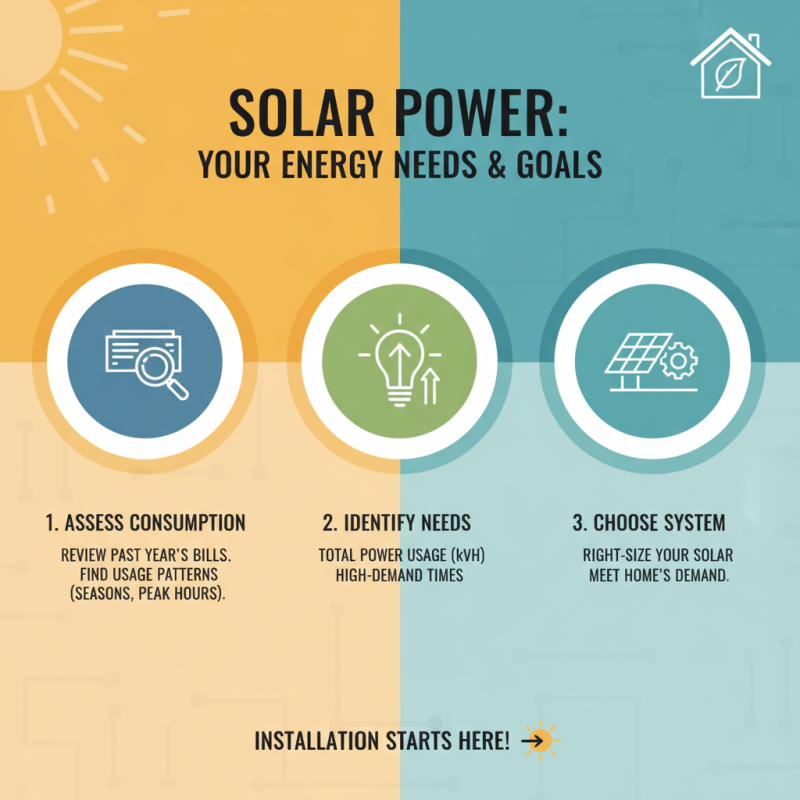
Understanding your energy needs is a crucial first step in installing a home solar system. Assess your current power consumption. Review your electricity bills from the past year. Look for patterns in usage across seasons. Identify the peak hours when energy demand is highest. This information helps you choose the right system size for your home.
Next, set clear goals for your solar installation. Are you seeking to cut costs, reduce your carbon footprint, or attain energy independence? These objectives will shape your system design. Aiming for 100% energy offset can lead to a larger system than needed. Smaller systems might suffice for lower energy usage goals. Reflect on what you hope to achieve over the next decade. Your needs may change, and it is important to remain flexible.
Connecting with a local expert can offer valuable insights but requires careful selection. Seek professionals with a solid track record and positive reviews. While many promise ideal solutions, it’s essential to evaluate their proposals critically. Ensure they consider your unique needs and not just a one-size-fits-all approach. Getting multiple opinions can provide clarity and comprehensive options.
Choosing the Right Solar System Components
When choosing the right solar system components, it’s essential to assess your energy needs carefully. Evaluate your power consumption using past utility bills. This will guide you in selecting the appropriate solar panels and batteries. A too-small system will leave you underpowered, while an oversized one may waste resources.
Consider the type of solar panels available. Monocrystalline panels are efficient but can be more expensive. Polycrystalline panels are more affordable but may take up more space. Assess your available roof area and budget to determine what suits you best. Each type has its pros and cons, making it crucial to reflect on your priorities.
**Tips:** Always read reviews and compare specifications. Seek opinions from multiple sources to gather real-world experiences. Consulting with professionals can also help you avoid common pitfalls. Remember, the installation process can be complex. Take your time to research thoroughly and make informed decisions. Every detail matters when it comes to efficiency and performance.
Planning the Installation Layout and Design
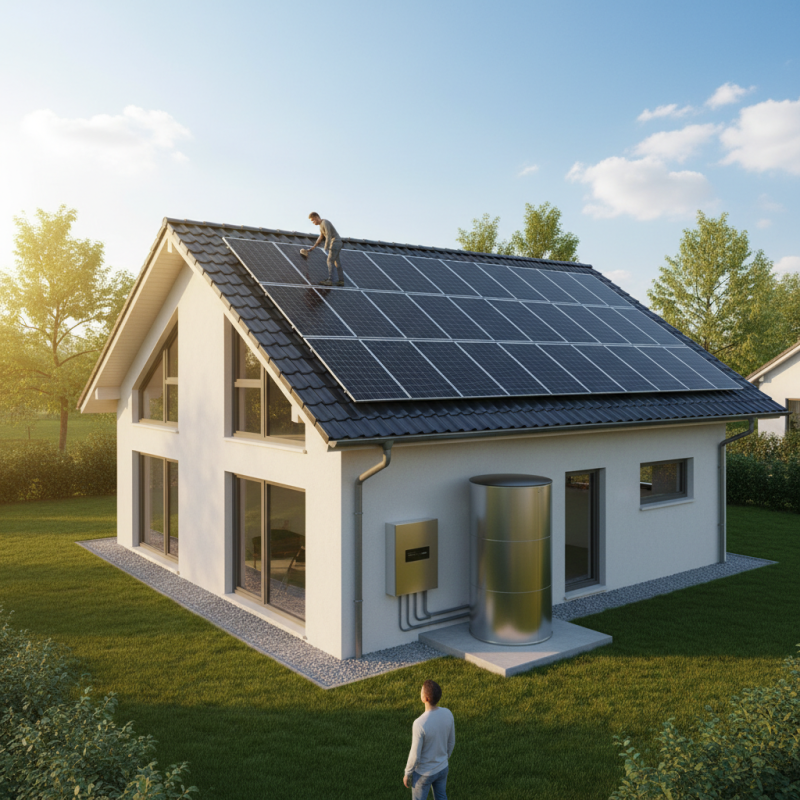
When planning the installation layout for a home solar system, several factors must be considered. The first step is assessing your roof's orientation and angle. Studies show that roofs with a south-facing slope receive up to 25% more sunlight than those facing other directions. This sunlight directly influences energy production. Therefore, evaluating your roof's capacity and obstructions, like chimneys and trees, is vital.
Next, think about space allocation. The average solar panel requires about 17 to 25 square feet of space. For a typical home installation generating 5 kW, around 300 to 400 square feet is necessary. Consider potential shading from nearby structures during different times of the year. Shading can significantly reduce efficiency, sometimes by as much as 80% in certain conditions.
Lastly, while optimizing for efficiency, don’t overlook aesthetics. The panel layout can affect curb appeal. Some homeowners find the uniform look of panels appealing, but others may prefer a less obtrusive design. Balancing efficiency, space, and appearance can lead to a more satisfying installation. Engaging with a certified solar installer can help navigate these decisions effectively. They bring valuable expertise, helping tailor the system to your specific needs.
Energy Production vs. System Size for Home Solar Systems
This bar chart illustrates the relationship between the size of home solar systems (in kW) and the expected energy production per month (in kWh). As the size of the system increases, the energy production also increases, showcasing the efficiency of larger solar installations.
Navigating Permits and Local Regulations
Installing a home solar system can be a promising investment. However, navigating permits and local regulations is crucial. Each location has unique requirements, which can seem overwhelming. It is essential to understand the specific steps needed to ensure a smooth installation process.
According to the Solar Energy Industries Association (SEIA), over 80% of state and local jurisdictions require permits for solar installations. This often includes building permits and electrical permits. Engaging with local officials early in the process can clarify requirements. Understanding local zoning laws is also vital, as some neighborhoods may have restrictions on solar panel visibility.
In many areas, the average waiting time for permit approval can range from a few days to several weeks. This variability can delay projects. Keeping communication open with local authorities can speed up the process. It's worth noting that incomplete applications can lead to rejections, creating additional setbacks. Planning ahead is necessary, but not foolproof. Some homeowners find themselves lost in a maze of paperwork and regulations. This underscores the importance of thorough research before embarking on your solar journey.
Executing the Installation with Best Practices
Installing a home solar system requires careful attention to detail. Effective planning makes a difference. Start by assessing your roof's condition and orientation. Ensure there is enough sunlight exposure. A less-than-ideal roof may lead to inefficiencies.
**Tips:** Before installation, conduct a thorough energy audit. Understand your consumption patterns. This data helps tailor your solar system to your actual needs.
Choose an experienced installer. Their expertise can prevent costly mistakes. Communication is key. Discuss system design and installation timelines. Don’t skip this step, as miscommunication may lead to delays or unexpected costs.
**Tips:** Look for installers with good reviews. Ask for references and check their previous work. Experience building credibility in this field is essential.
Consider your panel placement carefully. Even small shading from trees can reduce efficiency. Regular maintenance will also sustain performance over time. Neglecting this can lead to performance drops or even damage.
**Tips:** Schedule inspections annually. Keep an eye on your energy output. If it's declining, investigate promptly. Early detection can save you time and money.