How Much Do Solar Panels Cost on Average?
The average cost of solar panels is a useful starting point, not a promise of what your home will pay. A typical quote can change with system size, panel and inverter choices, roof condition, local labor rates, and available incentives. Even two nearby homes may receive different estimates. One roof might need only a straightforward six-kilowatt system; another may require extra electrical work or have limited sunny space.
Details matter. This guide explains how to compare reported averages with real installation quotes, and which costs may sit outside the headline price. It also looks at batteries, financing, incentives, and the factors that can change your payback period. A battery can add substantial upfront expense, while a shaded roof may affect how much electricity a system produces. The exact impact depends on the home and equipment.
Averages are blunt tools. They can hide regional differences and make a complicated purchase look simpler than it is. For a more reliable estimate, compare itemized proposals, check the equipment specifications, and ask installers how they calculated expected production. Review current incentive information through appropriate government or utility sources, since eligibility and availability can change. One quote is rarely enough. And estimates can still miss things. The goal is not to find one perfect number, but to understand what drives the price and what you are actually buying.
What Determines the Average Cost of Solar Panels?
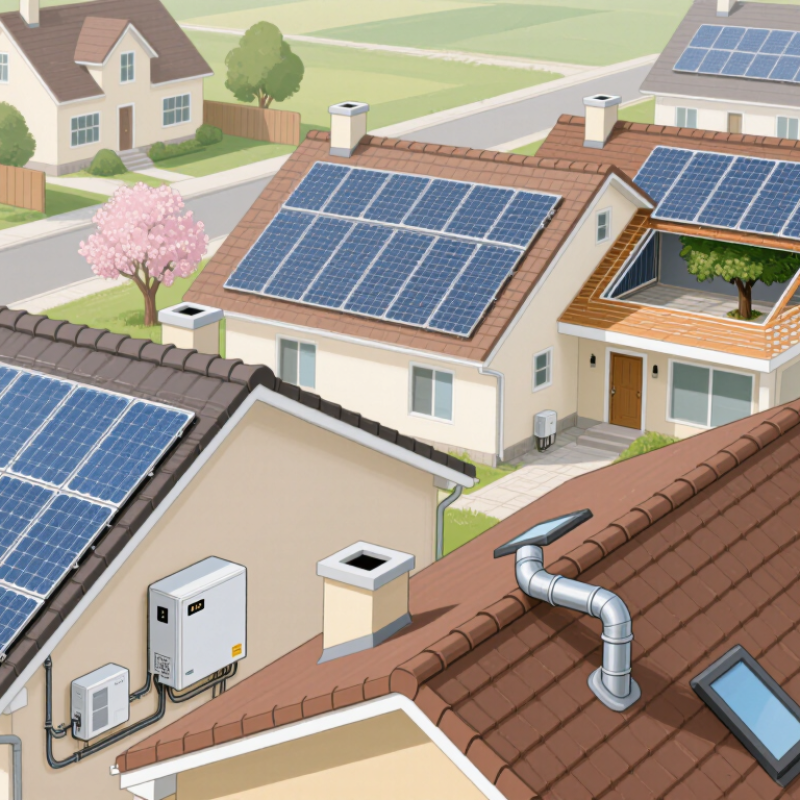
The average cost of solar panels depends on more than the panels themselves. A home using more electricity may need a larger system, with more panels, inverters, and installation time. Equipment efficiency and warranties can also affect the quote. A higher-efficiency panel may help when roof space is limited, but it is not automatically the best value.
Roof conditions matter. A steep roof, older shingles, or a long distance from the panels to the electrical equipment can add labor or preparation costs. Battery storage usually raises the upfront price, while local permitting fees and available incentives vary by location. Small details matter. Two houses with similar energy use can receive very different estimates.
Tips: Compare itemized quotes, not just the total. Check system size, equipment, labor, battery costs, and any roof work. Ask whether the estimate includes permits and incentives, and confirm how projected savings were calculated.
Treat online averages as rough reference points, not promises. Your recent electricity bills and roof assessment provide a more useful starting point. Estimates can still miss complications, such as outdated wiring discovered during installation. That uncertainty deserves attention. A qualified installer should explain assumptions clearly and show how changes in system size or storage affect the final price.
How Much Do Solar Panels Cost on Average? - What Determines the Average Cost of Solar Panels?
Illustrative U.S. residential estimates for a professionally installed, grid-connected solar system. Prices vary by location, system design, and installer.
| Cost item or factor | Typical estimate | What it means for the final cost |
|---|---|---|
| Illustrative installed system costs | ||
| Typical installed price per watt | $2.50–$3.50 per watt | A broad planning range for residential systems before incentives. It generally includes panels, inverters, mounting equipment, labor, and standard installation work. |
| 4 kW system | $10,000–$14,000 | Estimated by multiplying system capacity by the typical installed price per watt. |
| 6 kW system | $15,000–$21,000 | A common size for a smaller household, though the right system size depends on electricity use, roof space, and local sunlight. |
| 8 kW system | $20,000–$28,000 | A larger system may cost more overall, while its cost per watt can sometimes be lower because some installation costs are shared. |
| 10 kW system | $25,000–$35,000 | Often considered for higher electricity use or larger suitable roofs; actual production depends on orientation, shading, and location. |
| What determines the average cost? | ||
| System size and household electricity use | Quoted in kilowatts (kW); total price generally rises with capacity | More panels and related equipment increase the upfront price. Electricity bills and expected usage help determine how much capacity may be appropriate. |
| Panels, inverters, and mounting equipment | Depends on equipment specifications and system design | Panel efficiency, inverter type, and mounting requirements affect equipment and installation costs. Higher-efficiency equipment can be useful when roof space is limited. |
| Roof condition and layout | Highly site-specific | Complex roof shapes, steep slopes, limited access, or shaded areas can require additional labor or design work. Roof repairs completed before installation add to the project budget. |
| Location, labor, and permitting | Varies by region and local requirements | Local labor rates, permitting processes, utility requirements, and inspection fees can make otherwise similar systems cost different amounts. |
| Battery storage | Often adds several thousand dollars or more | A battery is typically an optional addition to a grid-connected solar system. Battery capacity, equipment, installation, and backup-power requirements affect its cost. |
| Electrical work and service upgrades | Depends on the home’s existing electrical system | Panel upgrades, wiring changes, or other electrical work may be needed in some homes and are not always included in a basic solar estimate. |
All system totals are approximate gross prices before incentives, financing costs, battery storage, and any unusual roof or electrical work. They are calculated from the stated per-watt range and are not a guaranteed quote.
Related Posts
-
What Is the Average Cost of Solar Panels by Type?
-
2026 Best Solar Panel Cost for Global Buyers?
-
Unlocking Energy Savings: How Solar Panels for Home Can Transform Your Utility Bills
-
Why Choose DIY Solar Panels for Your Home?
-
2025 How to Build Your Own DIY Solar Panels for Home Energy Savings
-

How to Choose the Right Off Grid Solar System for Your Home