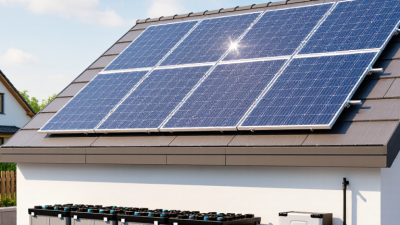
What Are the Top 10 Solar Panels for Home?
Choosing solar panels for home is not simply a race for the highest efficiency number. A suitable system must match your roof, climate, electricity use, budget, and maintenance expectations. A shaded roof in Seattle needs a different solution from a sunny roof in Arizona. Panel temperature ratings, warranty length, degradation rates, inverter quality, and installer experience also deserve close attention. Small details matter.
Vikram Aggarwal, founder and chief executive of EnergySage, has said, “The best solar system is the one that fits your home and your energy needs.” That practical view guides this ranking of the top 10 solar panels for home use. It keeps performance connected to real household conditions, rather than laboratory claims alone. Still, no ranking is perfect. Manufacturer data may come from controlled testing, while actual output changes with dust, shade, roof direction, and seasonal weather.
This guide compares leading panels through measurable efficiency, durability, warranty protection, temperature performance, and value. It also considers installation realities, including limited roof space and uneven sunlight. Some homeowners may prefer maximum power from fewer panels. Others may value a lower purchase price or stronger long-term support. The “best” panel can change after one roof inspection. That is worth remembering.
The recommendations draw on published technical specifications, industry experience, and consumer-focused evaluation methods. Readers should confirm local incentives, installer credentials, and system estimates before signing a contract. A careful comparison can turn a confusing purchase into a dependable home energy decision.
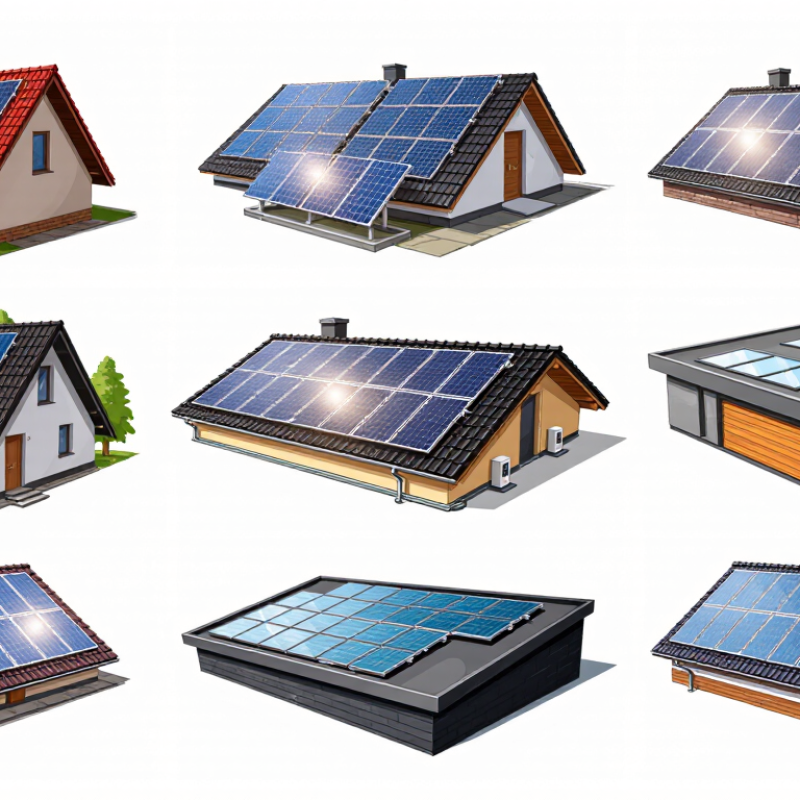
What Makes a Solar Panel Suitable for Home Installation
What Are the Top 10 Solar Panels for Home?
A suitable home solar panel must match the roof, climate, and household electricity pattern. During site assessments, installers check roof direction, pitch, usable space, and nearby shadows. A high-efficiency panel may produce more power on a small roof. However, efficiency alone does not guarantee a better installation. Shade changes everything.
Temperature performance matters in hot regions. Panels lose output as cell temperature rises, so a lower temperature coefficient can improve summer production. Durable glass, a strong frame, and certified resistance to wind and snow also deserve attention. Look for testing under recognized electrical and safety standards, such as IEC requirements or applicable local certifications. These details support safer design and more reliable performance.
A practical top-ten comparison should include power output, physical dimensions, degradation rate, warranty coverage, and inverter compatibility. A panel should fit between roof edges, vents, and access pathways without awkward gaps. I would also inspect the installation manual, cable layout, and monitoring options before choosing. Measure twice. A small mismatch can increase labor costs or reduce the final system size. Homeowners should request production estimates based on local weather data, not perfect laboratory conditions. Even experienced planners can misjudge seasonal shade, especially from trees that appear harmless in winter. That uncertainty deserves a realistic allowance.
Top 10 Solar Panel Technologies for Home Installation
Typical module efficiency comparison based on commonly reported residential and commercial technology ranges
For home installation, higher efficiency helps produce more electricity when roof space is limited.
Homeowners should also consider temperature performance, long-term degradation, durability, roof weight,
shading conditions, warranty length, and the panel’s suitability for the local climate. The percentages shown
are representative technology benchmarks rather than rankings of individual brands or products.
Key Criteria for Comparing the Top 10 Residential Solar Panels
When comparing the top ten residential solar panels, start with usable output, not the largest efficiency number. A panel rated at 22% may produce less energy on a shaded roof than a lower-rated panel placed well. Check the temperature coefficient, because hot cells lose output during bright summer afternoons. Look for independent performance testing and clear certification records. These documents matter more than polished marketing language. They show how the panel was evaluated. Still, laboratory results are not a roof.
Measure the available roof area, pitch, shading, and local weather exposure before comparing models. A compact panel can help on a small roof, while a larger format may reduce installation labor. Examine guaranteed degradation over time, product warranty length, and the provider’s ability to honor claims. Ask for written details. Vague promises are a warning. I also compare low-light performance and mechanical load ratings, especially in snowy or windy regions. These details affect safety and annual yield, not just the purchase price.
Compatibility deserves equal attention. The panel must work with the inverter, mounting system, wiring, and household electrical design. A skilled installer should explain voltage limits, rapid-shutdown requirements, and expected maintenance. Request a production estimate based on your address, not a generic national average. Then compare predicted output with actual monitoring data from similar installations. No comparison is perfect. Weather changes, roof dust accumulates, and estimates can be optimistic. I would rather choose a slightly less efficient panel with transparent evidence than trust an impressive specification alone.
Overview of the Top 10 Solar Panels for Home Use
What Are the Top 10 Solar Panels for Home?
Overview of the Top 10 Solar Panels for Home Use
Choosing the top ten solar panels for home use requires more than comparing efficiency percentages. A reliable review should examine power output, temperature performance, durability, warranty terms, and installation conditions. High-efficiency panels suit small roofs because they produce more electricity within limited space. Standard-efficiency panels may offer better value when roof space is generous.
The strongest home options usually include monocrystalline panels with strong low-light performance and stable output. Some models use advanced cell designs to reduce energy loss from partial shade. Others focus on reinforced frames, useful in regions with heavy rain, snow, or strong wind. Look for independent testing, recognized safety certification, and a product warranty covering both materials and performance. Installer experience matters too.
Roof direction changes the result.
A south-facing roof often performs well in northern climates, while east- or west-facing roofs can still support useful production. Shading from trees should be measured during different seasons, not guessed from one afternoon. In practice, advertised output rarely matches the electricity produced at home. Heat, dust, inverter losses, and cloudy weather all reduce performance. I would not rank one panel as universally best. A slightly less efficient panel can be the wiser choice if it has stronger local support, simpler installation, and dependable long-term testing. Temperature ratings and degradation data deserve closer attention than impressive marketing language.
How to Choose the Best Solar Panel for Your Home
The top ten solar panels for home use are not automatically the best choice for every roof. A suitable panel must match your roof size, shading pattern, climate, and household electricity demand. The IEA PVPS Trends 2024 report recorded more than 456 gigawatts of new solar capacity worldwide in 2023. That growth has expanded consumer choice, but it also makes comparison harder.
Start with efficiency, but do not worship one number. A higher-efficiency panel can produce more electricity on a small roof. Fraunhofer ISE’s Photovoltaics Report shows that leading commercial modules now exceed 23% efficiency. Check the temperature coefficient, too. Hot summer surfaces can reduce output, especially on dark roofs with limited airflow.
Review the degradation rate, product warranty, and performance warranty in plain language. A panel promising strong output today may not remain attractive after twenty-five years.
Your roof deserves a physical inspection. Measure usable areas around vents, skylights, and chimneys. Ask for shade analysis during winter, not only at noon in summer. The U.S. National Renewable Energy Laboratory’s PVWatts tool estimates production using local weather and system details, but its result is still an estimate. Installer assumptions can be wrong. I would compare at least three designs, including annual production, replacement risks, monitoring options, and recycling arrangements. The cheapest quote may hide weaker wiring, difficult access, or optimistic production figures.