7 Tips to Choose Solar for Home Use?

Choosing solar for home use is not simply a matter of placing panels on the sunniest roof. A reliable decision begins with your household’s actual electricity habits, local weather, roof condition, and future plans. A family running air-conditioning at noon needs a different system from a couple working away all day. Check twelve months of utility bills, not one unusually expensive month. That small step reveals seasonal demand and prevents optimistic sizing.

The seven tips ahead focus on practical choices that affect performance, safety, and long-term value. They examine panel efficiency, inverter quality, battery usefulness, installer credentials, warranties, maintenance, and total costs. Look closely at afternoon shade from trees, chimney shadows, and roof space around vents. Ask for production estimates based on your address, not a glossy average from another region. Qualified professionals should explain permits, grid connection requirements, equipment certifications, and emergency shutdown features clearly. Independent energy agencies and your local utility can help verify technical claims.

Real homes are less tidy than brochures suggest. A roof may need repairs first. Batteries may sound essential, yet many households could save more through load shifting. I have seen attractive quotes hide monitoring fees and narrow warranty conditions. Mistakes happen. The answer is careful comparison, written questions, and room for changing energy needs. Read each contract before signing, and choose evidence over confident promises.
7 Tips to Choose Solar for Home Use?

Assess Your Home’s Solar Energy Potential

7 Tips to Choose Solar for Home Use?

Assess Your Home’s Solar Energy Potential

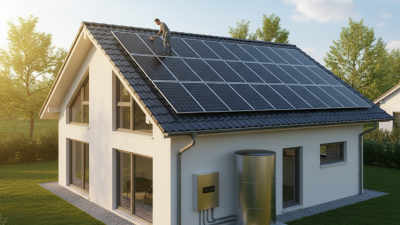
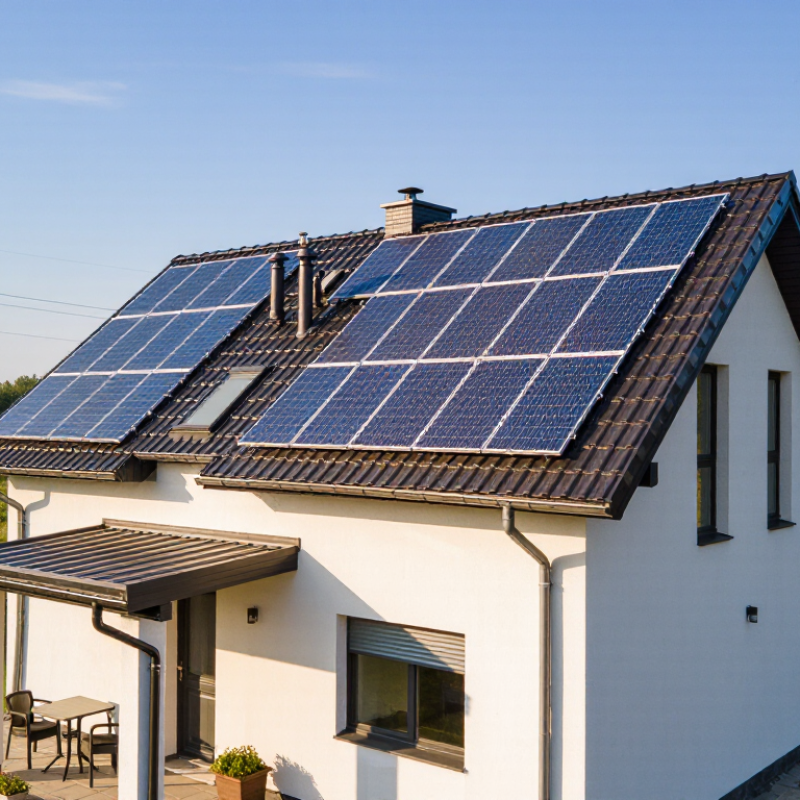
Your roof is not automatically a solar resource. Check its size, direction, pitch, and shading across the day. A tall tree may shade only two hours, but that loss can reduce production during valuable morning or afternoon periods. Use hourly sunlight data, not a yearly guess. The U.S. National Renewable Energy Laboratory’s PVWatts tool considers weather, roof orientation, tilt, and system losses. Its estimate is useful, but not a final design.

Look closely at your electricity history. The U.S. Energy Information Administration reports that American homes use roughly 10,500 kilowatt-hours of electricity annually on average. Your consumption may differ because of heating, cooling, occupancy, or an electric vehicle. Compare at least twelve monthly bills. Then check whether your roof can produce enough energy during winter, when sunlight is weaker.

NREL’s U.S. rooftop assessment estimated 1,118 gigawatts of technical potential, producing about 1,432 terawatt-hours annually. That figure is impressive, but technical potential does not equal practical potential.

Roof age, structural limits, local rules, and nearby trees still matter. A professional installer should measure roof planes, inspect the electrical panel, and model shading before quoting equipment. Ask for assumptions in writing. Pay attention to losses. A perfect roof is rare, and my first estimate would not be final.

Define Your Household Energy Needs and Budget

Choosing solar for home use should begin with your household’s real energy needs, not a panel advertisement. Review twelve months of electricity bills and mark seasonal peaks. The U.S. Energy Information Administration reported average residential electricity use of 10,791 kWh per household in 2022. Your figure may differ sharply. Air-conditioning, electric heating, and future appliances can change the calculation.

Tip 1: Build a monthly usage profile before requesting quotes.

Budget for the complete system. Include equipment, installation, permits, electrical upgrades, monitoring, maintenance, and possible battery replacement. The National Renewable Energy Laboratory recommends using location-based production estimates because sunlight, roof direction, shading, and temperature affect output. A roof that looks ideal at noon may lose production after nearby trees grow.

Tip 2: Compare annual savings with the full upfront cost, not only the monthly payment. Leave room for repairs. Real budgets are rarely perfect.

Set a clear spending limit before comparing system sizes. A larger system is not automatically better if your roof has shade or your household may move soon. The International Energy Agency reported that solar photovoltaic capacity exceeded 1,600 gigawatts globally by the end of 2023, showing strong industry growth, but household results remain local. Ask for production assumptions, degradation rates, warranty terms, and estimated payback.

Tip 3: Verify every number against your bills and local utility rules. My first estimate might be too optimistic. That is worth admitting.

Compare Solar Panel Types, Efficiency, and Durability

Choosing solar panels for home use requires more than comparing prices. A practical assessment should examine roof space, shade, climate, and electricity needs. Monocrystalline panels usually offer the highest efficiency, often above 20%, so they suit smaller roofs. Polycrystalline panels may cost less, but they generally need more space. Thin-film panels are lightweight and flexible, yet their lower efficiency can require a larger installation area.

Tip 1: Measure usable roof space before choosing a panel type. Tip 2: Check afternoon shade from trees, chimneys, and nearby buildings. Tip 3: Compare efficiency under realistic temperatures, not only laboratory conditions. Heat can reduce output. Tip 4: Ask for the panel’s degradation rate and performance warranty. Small differences matter over twenty-five years.

Durability needs close attention. Look for tempered glass, strong frames, certified wind and snow-load ratings, and sealed electrical connections. Tip 5: Match the panel to local weather, especially hail, salt air, or heavy snow. Tip 6: Review installation quality, because poor mounting can damage even excellent panels. Tip 7: Compare total lifetime value, including maintenance and replacement risks. The most efficient panel is not always the best choice. A larger roof may make a less efficient option practical. I would not pretend every comparison is perfect; real shadows and temperature changes can upset neat estimates. Get an independent site review before signing.

7 Tips to Choose Solar for Home Use? — Compare Solar Panel Types, Efficiency, and Durability
Tip What to Compare Monocrystalline Panels Polycrystalline Panels Thin-Film Panels Key Home-Use Check Typical Service Life
1 Match efficiency to roof space Compare the amount of electricity produced per square metre of roof area. 19%–23% typical module efficiency; usually the most space-efficient option. 15%–18% typical module efficiency; requires more roof area for the same output. 10%–13% typical efficiency; generally needs substantially more installation area. Choose higher efficiency when the roof is small, partly unavailable, or expensive to expand. About 25–40 years, depending on product quality and installation conditions.
2 Check lifetime energy output Look beyond the rated wattage and compare degradation over time. Typical degradation is approximately 0.3%–0.5% per year after the first year. Typical degradation is approximately 0.4%–0.6% per year after the first year. Degradation varies widely; approximately 0.4%–0.8% per year is common for many products. Ask for a written power-retention schedule, not only the initial power rating. Performance warranties commonly cover 25–30 years, but terms vary.
3 Consider your local temperature Compare temperature coefficient because panel power generally falls as cell temperature rises. Typically around −0.29% to −0.35% per °C. Typically around −0.35% to −0.40% per °C. Often around −0.20% to −0.30% per °C, although specifications differ. In hot climates, a lower absolute temperature coefficient can improve summer production. Correct ventilation beneath the modules helps reduce operating temperature.
4 Evaluate shade and low-light conditions Determine whether trees, chimneys, nearby buildings, or roof orientation create shade. Often performs well in limited roof areas, but a shaded string can reduce output from connected modules. Can perform reliably in normal daylight but is less commonly selected where space is limited. May maintain a relatively stable output in diffuse or low-light conditions, but lower efficiency increases area requirements. Request a shade study and consider module-level power electronics for complex roofs. Actual output depends strongly on shading, orientation, tilt, and seasonal weather.
5 Compare durability and weather ratings Review resistance to hail, wind, snow, moisture, and repeated temperature changes. Rigid glass-and-frame construction is widely used for residential roofs and offers strong mechanical protection when properly installed. Also commonly built with tempered glass and an aluminium frame; durability depends on materials and testing. Some designs are lightweight and flexible, but protective layers must be checked carefully for the intended roof environment. Look for documented tests such as IEC 61215 and IEC 61730, plus published hail, wind, and snow ratings. Physical durability is typically assessed over decades, but severe weather can shorten life for any panel type.
6 Compare total installed cost Include modules, inverter, mounting, wiring, labour, permits, maintenance, and possible roof work. Often costs more per module because of higher efficiency, but may reduce racking and installation area. Can offer a lower module cost, although savings may be reduced when additional roof area is required. Lower weight can simplify some structures, but specialised mounting or replacement considerations may affect total cost. Compare cost per usable kilowatt-hour over the expected system life rather than only cost per panel. Inverters and other electronics may require replacement sooner than the panels.
7 Verify compatibility and maintenance needs Confirm electrical compatibility, roof condition, inverter sizing, monitoring, and access for inspection. Commonly available in residential system sizes and compatible with standard rooftop designs. Also compatible with standard systems, but availability and installer experience may vary by market. Check mounting requirements, cable routing, fire classification, and replacement availability before purchase. Use a qualified installer, maintain clear drainage, inspect wiring periodically, and clean only when needed. Plan for regular visual inspections and follow the panel and inverter maintenance instructions.

Evaluate Installers, Equipment, Warranties, and Maintenance

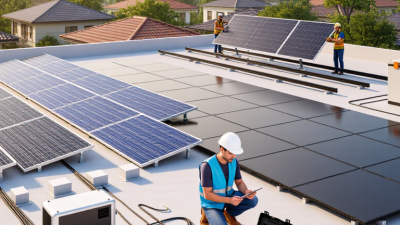
Choosing solar for home use starts with the installer, not the brochure. Ask for licensing, insurance, recent local projects, and three customer references. The National Renewable Energy Laboratory reports that installation quality strongly affects system performance and long-term reliability. A low bid can hide weak roof preparation, poor cable routing, or limited service support. Watch the roofline closely.

Request an itemized design. It should show panel capacity, inverter type, expected annual production, shading losses, and battery assumptions. The International Energy Agency Photovoltaic Power Systems Programme reported more than 400 gigawatts of new solar capacity worldwide in 2023. Rapid growth brings more equipment choices, but not every component suits a hot, snowy, or coastal home. Check operating-temperature ranges, certifications, replacement availability, and monitoring access. Ask what happens when monitoring stops. That answer matters.

Read every warranty separately. Equipment warranties cover defects, while workmanship warranties address installation problems. Performance warranties often allow gradual output loss, not instant failure. The U.S. Department of Energy notes that many panels are designed to operate for 25 to 35 years, yet inverters may require earlier replacement. Plan for that cost. Also ask about annual inspections, storm checks, vegetation control, and cleaning methods. The National Renewable Energy Laboratory advises that dust, shade, and soiling can reduce energy production, although cleaning too often wastes water and money. I have seen homeowners focus on panel efficiency and overlook access for repairs. That is an expensive blind spot.

Review Incentives, Financing Options, and Long-Term Savings

7 Tips to Choose Solar for Home Use

Review incentives before comparing solar quotes.

In the United States, the federal residential clean energy credit has generally offered 30% for eligible systems, but current IRS rules require verification. Local rebates, property-tax treatment, and utility programs can change the final price. Ask whether the incentive covers batteries, installation, and necessary electrical upgrades. Check your utility’s export rate, too. A high credit for exported power can shorten payback, while weak compensation may reduce savings.

Financing deserves equal attention. Compare cash prices with loan totals, interest rates, origination fees, and early-payment rules. A low monthly payment can hide a longer repayment period. Berkeley Lab’s Tracking the Sun 2024 reported a median residential installed price near $3.2 per watt in 2023, before incentives. Use that figure as a rough benchmark, not a promise.

Request production estimates based on roof direction, shading, local weather, and annual electricity use. Review equipment warranties and installer licensing. Confirm who handles repairs. Small details matter.

Long-term savings need a realistic model. Include panel degradation, insurance, maintenance, future utility-rate changes, and possible roof replacement. The International Energy Agency reported solar photovoltaic capacity passed 1.6 terawatts globally by the end of 2023, showing strong industry scale. Scale does not guarantee every household a good deal.

My cautious view: reject any quote promising certain payback. Compare at least three proposals, then test the assumptions yourself. Some savings may disappoint.