What Are the Best Solar Panels for a House?
Choosing the best solar panels for a house starts with the roof, not a product ranking. A south-facing roof with clear afternoon sun may support a different system from a shaded roof with limited space. Your electricity bills matter, too. Look at monthly usage, local sunlight, roof condition, and how much power you hope to offset. Small details count: a chimney’s shadow can cross several panels, while a worn roof may need attention before installation.
EnergySage founder Vikram Aggarwal is a useful industry reference when comparing solar options. The following is a paraphrase, not a verbatim quotation: “Choose a system that fits your home and energy use, rather than chasing the highest panel rating.” That is a practical starting point, not a complete buying rule. Panel efficiency, warranties, inverter design, installer experience, and the quoted system price all deserve a close look. Ask for clear estimates showing expected production and assumptions about shading. Compare the full system, not just the panel brand. A sleek panel can still be a poor fit if the installation plan ignores roof angles or future repairs.
This guide examines the features that matter, compares common panel types, and explains how to judge quotes with care. There is no universal winner. Even careful estimates can miss real-world changes, such as new trees or higher household use. Keep that uncertainty in view.
What Makes a Solar Panel Suitable for a Home?
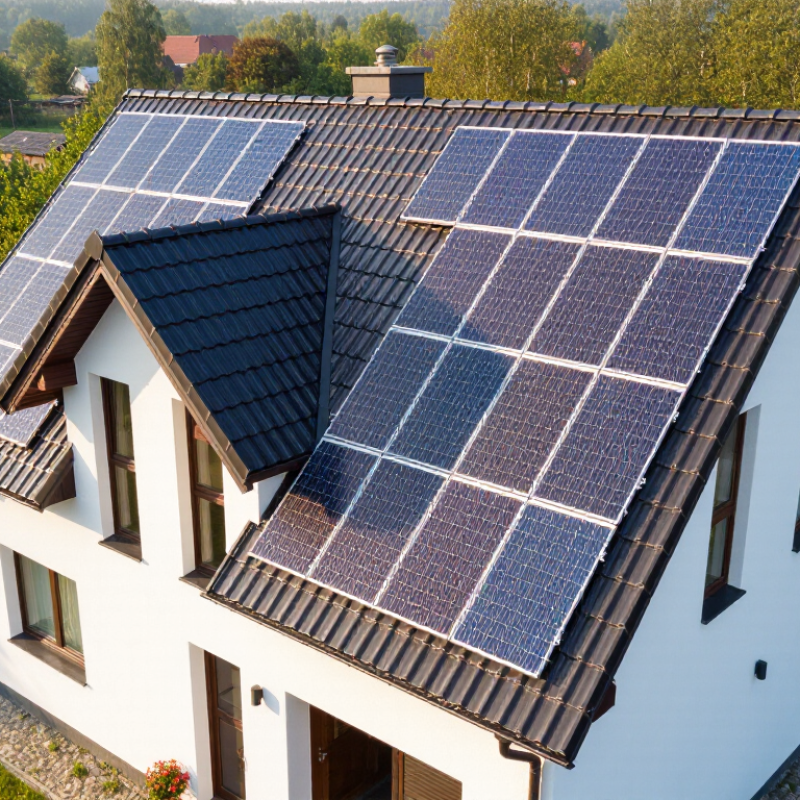
A suitable home solar panel is not simply the one with the highest efficiency rating. It should fit the roof’s usable area, local sunlight, and household electricity pattern. A roof with limited space may benefit from higher-efficiency modules, while a broad, unshaded roof can often use standard modules at lower cost. Shade matters. A chimney shadow crossing a panel each afternoon can reduce output, so ask for a shade assessment across seasons, not just a sunny-day estimate. Roof age and structural condition matter too. Replacing roofing after installation can add avoidable labor.
Compare rated power, efficiency, temperature coefficient, and expected degradation using the same test conditions. In hot weather, a lower temperature coefficient can help preserve output, though system design and ventilation also affect performance. Check that panel electrical characteristics match the inverter and that the layout leaves safe access for maintenance. Ask for estimated annual production based on your address and roof geometry, including assumptions about shade and system losses. Numbers are estimates, not guarantees. Keep the paperwork. Warranties vary, and a long product warranty does not promise a specific energy bill. A qualified site assessment can uncover wiring, roof, or utility constraints that a quote may miss. I would not choose by efficiency alone; budget, roof space, and repair access can change the sensible option. Slightly inconvenient, but true.
What Are the Best Solar Panels for a House? — What Makes a Solar Panel Suitable for a Home?
| Panel Type | Typical Module Efficiency | Typical Residential Panel Output | Temperature Performance | Typical Warranty Pattern | Home Suitability |
|---|---|---|---|---|---|
| Monocrystalline PERC | About 19–22% | Often around 350–440 W, depending on panel size and design | Power temperature coefficient commonly around −0.34% to −0.40% per °C | Often a 25-year performance warranty; product warranties vary, commonly around 12–25 years | A widely used option for homes. A practical balance of efficiency, availability, and roof-area use. |
| Monocrystalline TOPCon | About 21–23.5% | Often around 400–460 W, depending on panel size and design | Commonly around −0.29% to −0.32% per °C | Many offerings include a 25–30-year performance warranty; product terms vary | Well suited to limited roof space when higher output per panel is useful. Compare the specific product warranty and price. |
| Monocrystalline HJT | About 21–23.5% | Often around 400–460 W, depending on panel size and design | Commonly around −0.24% to −0.30% per °C | Some offerings provide product and performance warranties of up to about 25–30 years | Can be a strong choice in hot conditions or where roof area is constrained, if its installed cost and warranty are suitable. |
| Polycrystalline silicon | About 15–18% | Output varies widely by panel size; newer residential options are less common | Often around −0.36% to −0.42% per °C | Warranty terms depend on the product and market; check both product and performance coverage | May suit a larger roof where space is less limited, but compare carefully with currently available higher-efficiency panels. |
How to choose: Check the panel’s certified efficiency, dimensions, power temperature coefficient, warranty documents, and compatibility with the inverter and roof. Figures above are indicative ranges for technology types, not guarantees for any individual panel; specifications and warranty terms vary by model and market.
Related Posts
-

2026 Best Smart Solar Savings Solutions for Global Buyers
-
What Are the Top 10 Solar Panels for Home?
-
10 Tips for Choosing Solar Panels for Home Use
-
Top Benefits of Installing Solar Panels for Homeowners in 2023
-

How to Choose the Best Portable Solar Panels for Camping and Outdoor Use
-
2026 Best Residential Solar Panels for Global Buyers?